
Jawai has become one of the most meaningful and enriching destinations for school trips in Rajasthan. Its open landscapes, free-roaming leopards, cultural depth, and safe rural environment make it a unique learning ground for students. Unlike crowded tourist spots, Jawai provides a peaceful atmosphere where children can observe nature closely, understand wildlife behaviour, and connect with the environment in a pure, distraction-free way. A school trip to Jawai is more than sightseeing; it is an educational experience that shapes young minds through real-world exposure, outdoor learning, and cultural interactions.
A school trip to Jawai introduces students to learning beyond books. The open granite hills, migratory birds, natural lakes, and visible wildlife create the perfect setting for experiential education. Children understand how ecosystems function, how predators adapt to natural habitats, and how pastoral communities coexist with wildlife. Moving out of the classroom into nature helps students develop observation skills, curiosity, patience, and respect for the environment. Jawai offers a living classroom where science, geography, culture, and environmental studies come alive.
Give students a meaningful learning experience in Jawai with nature walks, wildlife awareness, rural life exposure, and cultural insights. We help schools plan safe, educational, and well-organized trips.
Safety is the first priority for any school trip, and Jawai provides a secure environment for young travellers. The region is peaceful, crowd-free, and governed by controlled safari rules that ensure safe wildlife viewing. The leopards of Jawai are calm and habituated to human presence, making the area highly suitable for children. Safari drivers are trained professionals who understand student groups and maintain safety throughout the journey. The rural landscape, wide-open spaces, and slow pace of the region create a stress-free travel environment for teachers and students.
Jawai is known for its leopards, but the region offers far more in terms of wildlife learning. Students get to see crocodiles, jackals, hyenas, wolves, nilgai, deer, and over a hundred species of birds in their natural habitats. Observing these animals teaches students the importance of biodiversity and helps them understand how different species connect to the ecosystem. Watching wildlife in open landscapes gives young learners an appreciation for animal behaviour, food chains, adaptation, and survival instincts. These lessons stay with students far longer than textbook chapters.
Jawai’s open terrain allows students to observe leopards without disturbing them. Children witness how leopards walk across granite slopes, rest inside natural caves, and watch over their territory. Understanding their movement, silence, and harmony with villagers helps students break myths about predators. They learn that wild animals are not hostile and that peaceful coexistence is possible when humans respect nature. This lesson contributes to their emotional intelligence and awareness of environmental ethics.
The lakes around Jawai attract migratory birds from across continents, making the region a paradise for birdwatching. Students get to identify species such as flamingos, storks, pelicans, kingfishers, and raptors. Teachers can use these moments to explain migration patterns, nesting behaviour, food habits, and bird ecology. Birdwatching builds patience, focus, and observational skills in children. The natural silence of the Jawai region enhances the experience, making bird identification enjoyable and informative.
A guided nature walk through the granite trails of Jawai gives students a close view of rock formations, caves, plants, soil patterns, and water bodies. These walks help students learn about geology and geography directly from the landscape. They understand how granite hills formed over millions of years and how water channels sustain wildlife during dry seasons. Walking through nature also creates a calming effect, allowing students to disconnect from screens and reconnect with the outdoors.
One of the most enriching aspects of a Jawai school trip is the opportunity to interact with the Rabari community, one of Rajasthan’s oldest pastoral tribes. Students learn about traditional attire, daily routines, livestock herding, and the spiritual beliefs that shape the Rabari lifestyle. They witness how shepherds and leopards coexist peacefully through values of respect and acceptance. Such cultural exposure broadens children’s minds and teaches them empathy, diversity, and the beauty of India’s rural heritage.
The shepherd lifestyle of Jawai offers practical lessons in sustainability, responsibility, and discipline. Students watch how shepherds guide their flocks across hills, communicate through calls, and manage livestock with patience. They learn that pastoral life requires commitment and an understanding of nature’s rhythms. This observation teaches students the value of hard work and the importance of respecting every profession.
Jawai’s villagers live in harmony with nature, relying on livestock, seasonal farming, and natural resources. Students learn how rural communities use water responsibly, preserve grazing lands, and minimise wastage. They see eco-friendly practices like mud houses, natural ventilation, traditional cooking, and handmade goods. This introduces children to sustainable living, encouraging them to adopt environmentally conscious habits.
Subjects like biology, geography, social science, and environmental studies become easier to understand when students witness them firsthand. Observing rock formations turns geography into a real subject. Watching leopards hunt teaches biology beyond diagrams. Seeing rural life explains social structure and culture. Jawai helps learners connect textbook concepts to the real world, improving memory retention and understanding.
Take students on an enriching outdoor journey where nature, wildlife awareness, village life, and real-world learning come together. We organize engaging and well-managed educational trips to Jawai.
A school trip strengthens friendships, encourages teamwork, and boosts confidence. Students participate in safaris, nature walks, group activities, and cultural interactions that require cooperation and communication. They solve small challenges together, share new experiences, and support each other during outdoor exploration. These experiences build leadership qualities and improve social skills among students.
Jawai’s natural beauty encourages creativity in students. Children enjoy capturing granite hills, birds, lakes, and wildlife through their cameras or mobile phones. Photography becomes a medium for self-expression, helping them observe details they often miss in everyday life. Teachers often encourage photography challenges to make the visit engaging and educational.
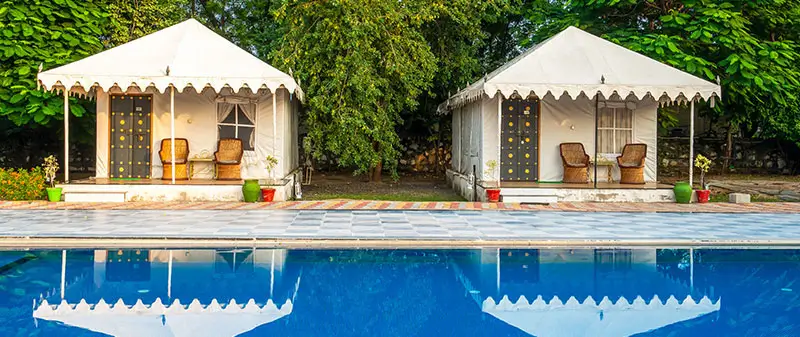
Jawai offers safe and comfortable stays for school trips, with spacious rooms, open grounds, hygienic dining areas, and controlled surroundings. These properties ensure supervised access, secure boundaries, and a peaceful environment for students. Meal options are child-friendly, and staff members assist teachers in managing group activities. The calm atmosphere makes Jawai an ideal destination for school groups of all ages.
A school trip to Jawai stays in a child’s memory for years. The dramatic granite hills, peaceful lakes, free-roaming leopards, and warm culture create a deeply emotional connection. Students return home with new knowledge, confidence, and respect for nature. They develop awareness about wildlife conservation and rural life, gaining perspective they cannot find inside classrooms. Jawai becomes a milestone experience that shapes their understanding of the world.
Yes, the region is peaceful, crowd-free, and managed by trained safari professionals.
They can see leopards, crocodiles, jackals, birds, hyenas, and more.
Yes, guided nature walks are calm, controlled, and educational.
Yes, cultural visits to Rabari settlements are often included.
October to March offers comfortable weather for children.
Yes, most stays provide mild, hygienic meals suited for students.
Yes, safari drivers follow strict rules for student safety.
Yes, students of all age groups can enjoy the trip with supervision.
Yes, it combines wildlife learning, culture, nature, and geography.
Yes, several properties offer spacious rooms and safe environments for students.
Planning to visit Jawai? Need help with your stay or safari?
Get free, expert assistance from our team — no pressure, just honest guidance.
Any query? Write us mail.
info@jawainaturestay.com
Call to Inquire (08:00 - 20:00 hrs)
+91 9257995999
Talk to Experts
Whatsapp