
Welcome to Jawai, a rare wilderness tucked away in the heart of Rajasthan, where time stands still, leopards roam free, and ancient granite hills echo the stories of nature and harmony. Located near Sumerpur and just a few hours from Udaipur and Jodhpur, Jawai is not your typical tourist spot. It is raw, real, and deeply rooted in a balance between wildlife and the local Rabari community. Here, nature doesn't just surround you—it embraces you.
A place where ancient rock formations and vibrant culture collide with wild nature, Jawai is one of the few destinations in India where leopards and people coexist peacefully. The calm, undisturbed ambiance offers the perfect backdrop for nature photography, spiritual retreats, and offbeat exploration.

Nestled in the Pali district of Rajasthan, Jawai is conveniently situated near the town of Sumerpur, offering seamless road and rail connectivity. It lies roughly midway between Udaipur and Jodhpur, making it an easy escape from Rajasthan’s major cities. Travelers often drive from Udaipur (approx. 3.5 hours) or Jodhpur (3 hours), enjoying picturesque rural landscapes dotted with wildlife along the way. The nearest railway station is Jawai Bandh, with frequent trains from Ahmedabad, Udaipur, and Delhi. If flying, Udaipur Airport is the most accessible, followed by a scenic drive to reach your destination.
Jawai’s remote yet reachable location makes it perfect for weekend getaways and extended stays. The roads are well-maintained, and local transfers can be easily arranged through the resort. Once in Jawai, you’re welcomed by tranquil surroundings, ancient granite hills, and a region untouched by commercialization. It's this unique accessibility combined with untouched wilderness that makes Jawai stand apart. Whether you are seeking solitude, wildlife, or cultural experiences, Jawai’s geographic setting is your perfect starting point for a journey into nature and tradition.
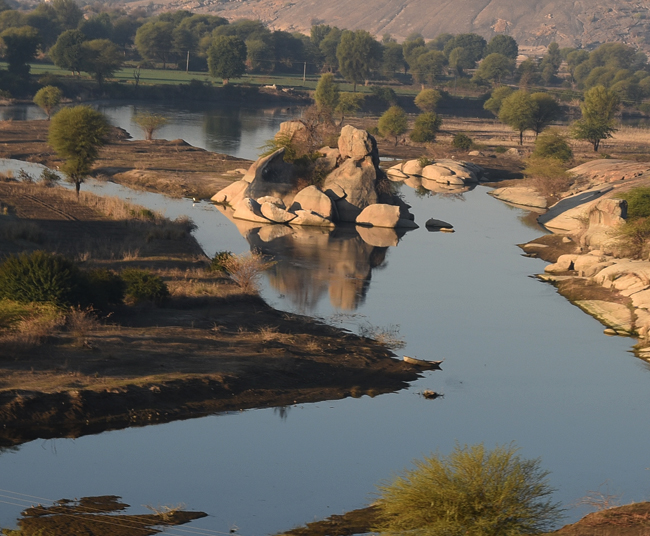
Built in the 1950s, the Jawai Dam (locally called Jawai Bandh) is the lifeline of the region. Located across the Jawai River, the dam supports the surrounding ecosystem, offering water to nearby villages, forests, and wildlife. At sunrise and sunset, its still waters mirror the dramatic granite hills, creating a visual spectacle that attracts photographers and nature lovers alike. Migratory birds, especially flamingoes and bar-headed geese, frequent the area, adding vibrant movement to the serene landscape.
The dam is not just a reservoir but a hub for eco-tourism. The peaceful surroundings make it a perfect setting for early morning yoga, birdwatching, and meditation sessions. Local villagers often come here for fishing and cattle grazing, making the scene a gentle blend of life and nature. It’s also a quiet location for outdoor picnics and guided nature walks.
Wildlife enthusiasts love Jawai Bandh for another reason—the marsh crocodiles. These prehistoric reptiles can often be spotted sunbathing along the dam’s banks or gliding through the water. Their presence, along with the surrounding biodiversity, makes this water body an essential part of Jawai’s ecological identity. Whether you’re here for adventure or solitude, a visit to Jawai Bandh leaves a lasting impression on every traveler.

The leopard safari in Jawai is unlike any other wildlife experience in India. With over 70+ leopards documented in this region, your chances of spotting one during a safari are exceptionally high. What makes it even more fascinating is the fact that these majestic cats are often seen around temples, hillocks, and even near villages—living in harmony with the locals without human-wildlife conflict. These safaris offer a close-up view of the elusive leopards of Jawai, in open 4x4 jeeps driven by experienced naturalists.
Safaris are conducted twice a day—early morning and late afternoon, offering unique opportunities to observe leopard behavior in their natural setting. Each safari lasts about 2.5 to 3 hours and includes climbs up the granite boulders, exploring natural cave formations where leopards take shelter. The dramatic backdrop of Jawai’s rugged hills adds to the visual and photographic appeal of these safaris.
Unlike national parks, there are no fences or enclosures here. The area is open and raw, which increases the thrill of a sighting. Alongside leopards, you may also spot hyenas, jackals, jungle cats, and other mammals. Birdlife is abundant as well, especially during winter months.
Our resort arranges fully guided private safaris with local trackers who know the terrain intimately. If you're a wildlife photographer, this place is a dream. If you're simply curious or adventurous, it promises an unforgettable encounter with India's most elusive predator.

The Jawai Crocodile Reserve is a lesser-known gem that adds another wild dimension to your stay in this unique region. Along the banks of the Jawai Bandh and surrounding water bodies, these prehistoric reptiles thrive in peaceful coexistence with the locals. Jawai is home to one of Rajasthan’s most impressive populations of mugger crocodiles, offering a rare chance to see them in the wild without venturing deep into forests.
These crocodiles can often be seen basking in the sun on riverbanks, gracefully swimming in the calm waters, or silently watching from the shallows. What’s fascinating is the balance they maintain with nearby villages—fishermen and locals often work along these banks with complete awareness of their surroundings. This peaceful relationship reflects Jawai’s unique ecological harmony.
Early morning or late afternoon visits to the crocodile zones offer the best sightings. Birdwatchers also find this area exciting, as the same wetland attracts many migratory and local birds. Our guided excursions take you on safe and respectful trails, ideal for both wildlife enthusiasts and families.
The presence of crocodiles adds to the richness of Jawai’s biodiversity. They play a vital role in maintaining the aquatic ecosystem. Watching them in such an open, non-zoo environment is both thrilling and humbling. For those interested in photography or wildlife studies, this site offers incredible opportunities. Don’t miss the chance to witness these ancient reptiles in one of Rajasthan’s most scenic and naturally preserved habitats.
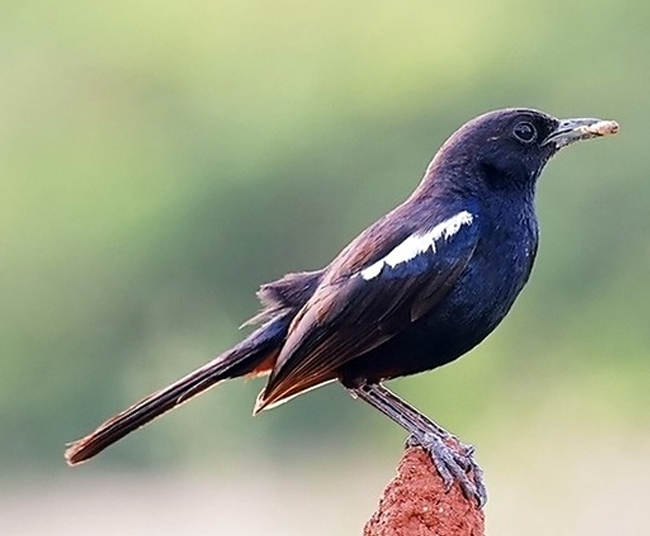
Jawai is a paradise for bird watchers and nature lovers, home to over 200 species of resident and migratory birds. Thanks to the presence of Jawai Bandh, seasonal wetlands, open grasslands, and granite outcrops, the region offers diverse bird habitats within a compact area. From flamingoes, bar-headed geese, and ruddy shelducks to eagles, vultures, owls, and bee-eaters, the birdlife in Jawai is rich and ever-changing with the seasons.
The best time for birding is during the early mornings and late afternoons when birds are most active. Winter months from November to February are especially rewarding as the migratory species arrive in large numbers. Our naturalist-guided bird watching tours are perfect for both amateur birders and serious photographers, with binoculars and field guides provided for a complete experience.
Jawai’s birdlife also includes endangered and rare species like the Indian eagle owl, Egyptian vulture, and painted stork, making it a dream destination for ornithologists. The quiet ambiance, lack of tourist crowds, and untouched terrain make bird watching here a peaceful and meditative activity.
You don’t need to venture far from the resort—many species can be spotted right from your tent or during a nature walk. For those passionate about wildlife, Jawai offers a unique opportunity to observe birds in a raw and open habitat, untouched by mass tourism. Add a birding tour to your itinerary for a soulful experience in the heart of Rajasthan’s wild side.
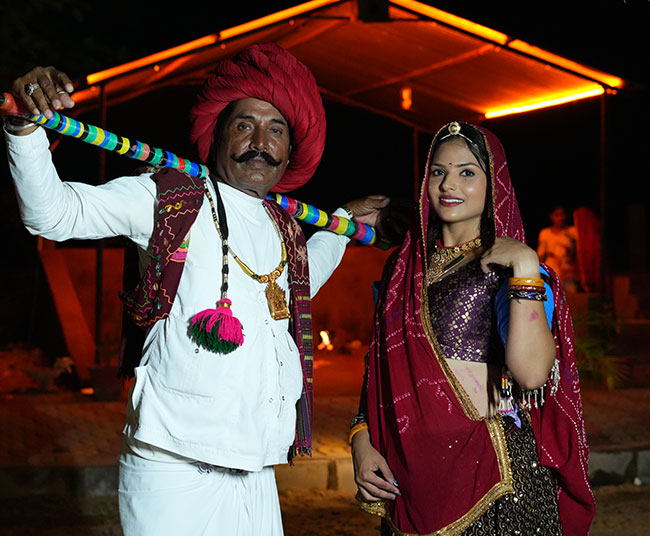
The cultural soul of Jawai lies in its indigenous Rabari community—a semi-nomadic pastoral tribe known for their unique traditions, red turbans, silver jewelry, and deep respect for nature. Living in perfect harmony with leopards and other wildlife, the Rabaris are a living example of peaceful coexistence. Their belief in the spiritual nature of leopards prevents any conflict, as they treat these big cats as sacred guardians rather than threats.
A walk through a Rabari hamlet gives visitors an intimate look into traditional desert life. The women dress in striking black odhnis (veils) with mirror embroidery, while the men wear white dhotis, large turbans, and silver ornaments. You’ll witness daily village scenes of goat herding, cattle milking, and handmade craftwork—practices that have remained unchanged for generations.
Guests at Jawai Nature Stay can enjoy authentic cultural experiences including milking cattle, roti-making on clay chulhas, or learning tribal folk songs. Rabari hospitality is warm and earthy, often accompanied by masala chai under a tree or in a courtyard surrounded by livestock. Local guides from the Rabari community add a layer of storytelling and authenticity to your visit.
This immersive experience gives you a rare chance to connect with a vanishing way of life—one that is deeply in tune with the land, the seasons, and wildlife. Spending time with the Rabaris is not just cultural tourism; it is a journey into one of India’s most sustainable and soulful tribal traditions.
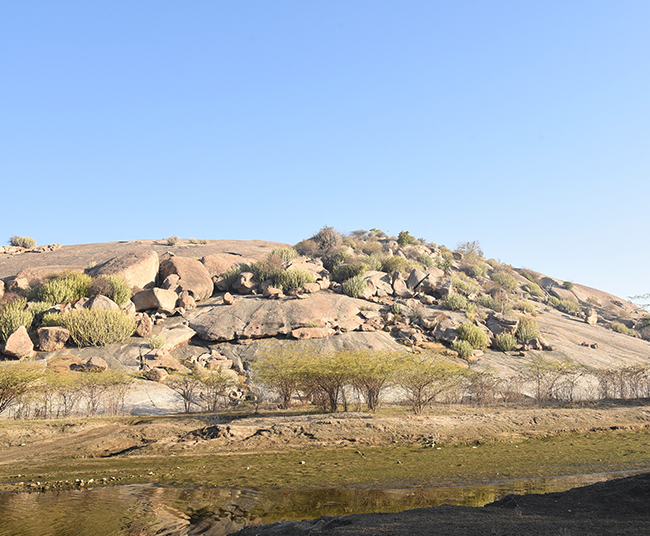
The Jawai Hills form the dramatic and rugged backbone of the Jawai landscape. These ancient granite formations, sculpted over millions of years, rise starkly from the otherwise flat terrain and create a surreal, moon-like setting. Towering boulders, natural caves, and panoramic viewpoints make this area not only scenic but spiritually resonant. The hills are sacred to locals, with small temples perched atop them—often visited by leopards, who are revered here as guardians.
Trekkers and photographers will find endless inspiration in the textures and silhouettes of Jawai’s rocky terrain. Morning hikes reveal dew-kissed plants, rare birds, and sometimes even the pugmarks of leopards. Sunsets are particularly breathtaking, as the golden light casts long shadows across the undulating rocks.
Beyond wildlife and scenery, the Jawai Hills offer serenity. Their silence is occasionally broken by the wind or a distant temple bell. They hold stories of the Rabari tribes, ancient hermits, and natural balance. Exploring these hills with a local guide brings insight into their cultural and spiritual significance.
Whether you are an adventurer, a spiritual seeker, or someone craving solitude, the Jawai Hills are an unforgettable experience. They offer a raw, natural grandeur rarely found in mainstream destinations. Unlike manicured hill stations, the hills of Jawai remain untamed and mysterious—perfect for those who wish to connect with the wild heart of Rajasthan.
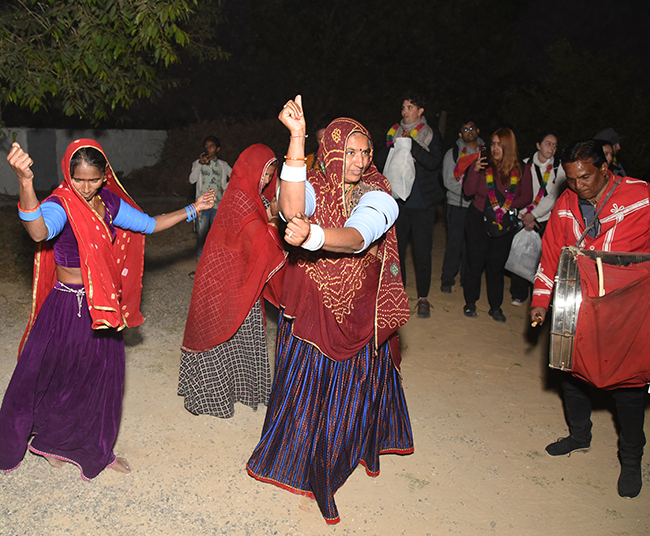
Jawai is not just about wildlife—it’s a living museum of traditional Rajasthani village life. The region is home to various small villages where daily life continues much as it has for centuries. From hand-pumped wells and mud houses to community cooking on open fires, the simplicity here is inspiring. Life in these villages revolves around agriculture, cattle rearing, and age-old customs passed through generations.
During your stay at Jawai Nature Stay, you can explore this slow-paced, grounded lifestyle with guided village tours. You’ll see women drawing water in earthen pots, elders gathered under trees discussing daily affairs, and kids playing traditional games in open fields. Local artisans continue to practice pottery, weaving, and embroidery—all part of Jawai’s living cultural heritage.
What sets this experience apart is its authenticity. There’s no staged performance or artificial decor—just real life unfolding in front of you. Enjoy a cup of chai in a villager’s home, walk through mustard fields during harvest season, or witness the collective joy of local fairs and festivals.
Cultural evenings at the resort, featuring folk music and dance performances, add another layer to the experience. These events not only entertain but also preserve the heritage of the region. For photographers, the colors, textures, and candid moments offer rich visual stories.
Jawai’s local culture is a vital part of its charm. It adds depth to your safari holiday and creates lasting human connections. This is the Rajasthan most tourists never get to see—and you get to live it, even if just for a while.
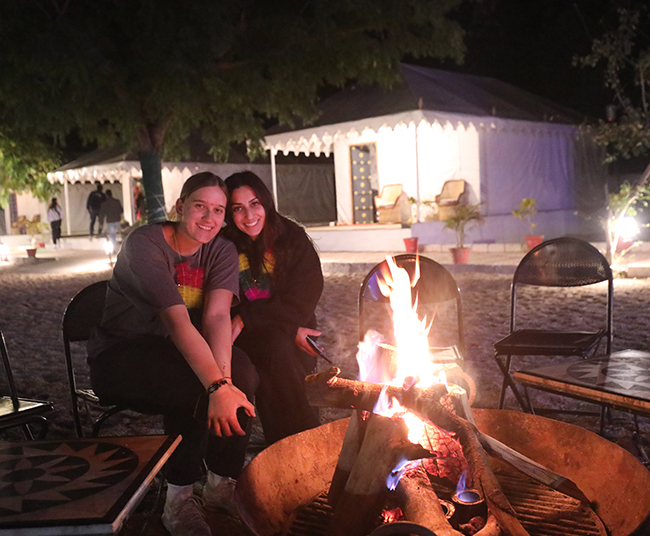
Jawai is emerging as one of the top offbeat destinations in Rajasthan, offering a perfect blend of wilderness, exclusivity, and rustic charm. For travelers seeking unexplored India, this region is a hidden jewel. With its raw granite landscapes, thriving leopard population, and deeply rooted tribal culture, Jawai offers an alternative to crowded tourist hubs. Yet, it doesn’t compromise on comfort—luxury travelers will find boutique camps, private safaris, and personalized services that rival top wildlife resorts in India.
Our property is curated for both soul-seekers and comfort-lovers. Wake up to the call of peacocks, sip your morning tea with a view of the rocky hills, and head out for a guided leopard tracking safari or a serene bird-watching walk. Return to a well-prepared traditional meal, and unwind by the poolside or in your luxury tent. We also offer curated experiences like private dinners by the bonfire, sunset hi-tea on the hills, and nature walks with naturalists for a deeply enriching stay.
Unlike commercial destinations, Jawai allows travelers to disconnect and slow down. It’s where you can journal under a tree, meditate near the dam, or simply watch Rabari shepherds pass by with their livestock. This rare peace and raw beauty make Jawai ideal for luxury honeymooners, solo explorers, and those who crave authentic encounters over tourist checklists.
Whether you’re an adventurer, nature lover, or luxury nomad—Jawai welcomes you with its untamed elegance.
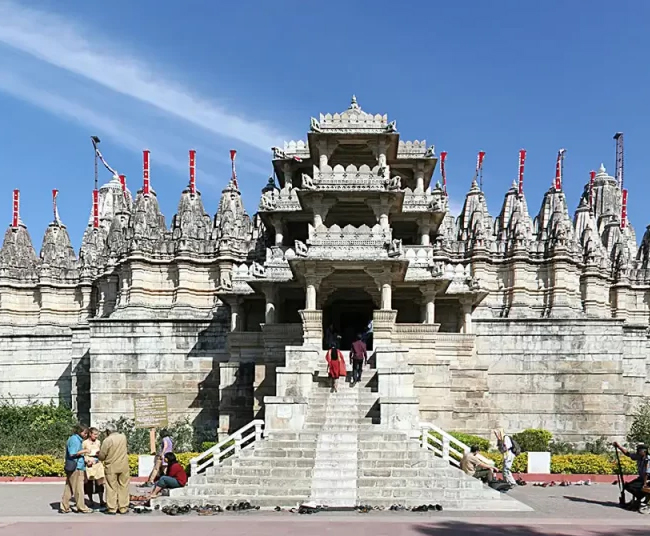
A visit to Jawai becomes even more enriching when combined with a day excursion to the nearby Ranakpur and Kumbhalgarh, two of Rajasthan’s most iconic heritage destinations. Located just 1.5 to 2 hours from Jawai by road, this scenic drive through Aravalli hills and tribal villages sets the tone for an unforgettable cultural experience.
Ranakpur is renowned for its stunning Jain temple complex, one of the most beautiful and intricately carved marble temples in India. Dedicated to Lord Adinath, the temple features 1,444 uniquely designed pillars—no two alike—and elaborate ceiling sculptures that leave visitors in awe. The serene ambiance and spiritual energy here make it a must-visit for anyone interested in history, architecture, or peaceful reflection.
Just an hour away lies Kumbhalgarh Fort, a UNESCO World Heritage Site known for having the second-longest wall in the world after the Great Wall of China. This majestic fort, perched on a high ridge of the Aravallis, offers panoramic views of the countryside and holds centuries of Rajput history. Inside, you’ll find palaces, temples, step wells, and stories of valor etched in stone.
The combined excursion offers a contrast to the wild and natural beauty of Jawai—balancing it with grand architecture and historical depth. Our resort arranges guided private tours with transport, packed meals, and heritage guides for a seamless experience. Whether you're a history buff, a spiritual traveler, or a lover of scenic drives, this day trip perfectly complements your Jawai stay.
Jawai is located in the Pali district of Rajasthan, near the town of Sumerpur, roughly 3 hours from Udaipur and Jodhpur.
You can reach Jawai by road (3–3.5 hours) or by train via Jawai Bandh railway station, which has connections from Udaipur, Ahmedabad, and Delhi.
The ideal time to visit Jawai is from October to March when the weather is pleasant and leopard sightings are frequent.
Yes, due to its convenient connectivity and offbeat charm, Jawai is perfect for a weekend wildlife getaway.
Absolutely. Jawai is one of the best places in India for frequent and safe leopard sightings in the wild.
There are over 70+ leopards documented in the region, living freely across the granite hills and caves.
Yes, leopard safaris in Jawai are conducted by trained locals in open jeeps, following safe and responsible wildlife viewing practices.
Yes, you may also spot hyenas, jackals, crocodiles, sloth bears, and over 200 species of birds including flamingoes and owls.
Jawai stands out for its peaceful human-wildlife coexistence, offbeat location, and authentic Rabari tribal culture.
The Rabaris are pastoral tribes living in harmony with wildlife. They consider leopards sacred and help preserve Jawai’s natural balance.
Yes, you can take guided village tours, interact with locals, enjoy clay cooking, and experience real Rajasthan rural life.
Definitely. Jawai is a birdwatcher's paradise, especially during winter when migratory birds like flamingoes arrive.
Yes, there are eco-resorts, luxury camps, and heritage stays that offer comfortable accommodation close to nature.
Yes, most resorts in Jawai offer private leopard safari bookings with trained trackers and 4x4 vehicles.
Pack light layers, sturdy shoes, sunscreen, binoculars, and a camera. Winters can get chilly, especially during morning safaris.
Yes, but the best wildlife sightings happen during October to March, especially in the early mornings or late afternoons.
You can plan day trips to Ranakpur Jain Temples and Kumbhalgarh Fort, or enjoy hilltop lunches and sunset tea at Jawai hills.
Jawai caters to both, offering luxury wildlife stays, authentic village experiences, and custom safari packages.
A 2 to 3-night stay is ideal to enjoy safaris, village visits, bird watching, and complete relaxation.
Yes, many foreign tourists visit Jawai for its unique combination of leopard safaris, tribal culture, and offbeat wilderness charm.
Planning to visit Jawai? Need help with your stay or safari?
Get free, expert assistance from our team — no pressure, just honest guidance.
Any query? Write us mail.
info@jawainaturestay.com
Call to Inquire (08:00 - 20:00 hrs)
+91 9257995999
Talk to Experts
Whatsapp