
Rajasthan is known for its forts and palaces, but it also offers some of the most extraordinary temple architecture in India. Among these, Ranakpur Jain Temple and Dilwara Temples stand out as two of the finest examples of marble craftsmanship and spiritual significance. For travelers exploring Rajasthan and nearby regions, visiting these temples provides a completely different perspective on the region’s cultural and religious heritage.
Ranakpur is located in a peaceful valley surrounded by hills, creating an environment that feels calm and spiritually uplifting. Dilwara Temples, located in Mount Abu, offer a more structured and refined temple experience, known for their intricate carvings and historical importance. Both destinations attract travelers who are interested in architecture, spirituality, and cultural exploration.
For many travelers, especially foreign visitors, choosing between these two temples can be challenging. This is why understanding the differences between them is important. The Ranakpur vs Dilwara Temple comparison helps travelers decide which destination suits their preferences and how to include both in their itinerary if possible.
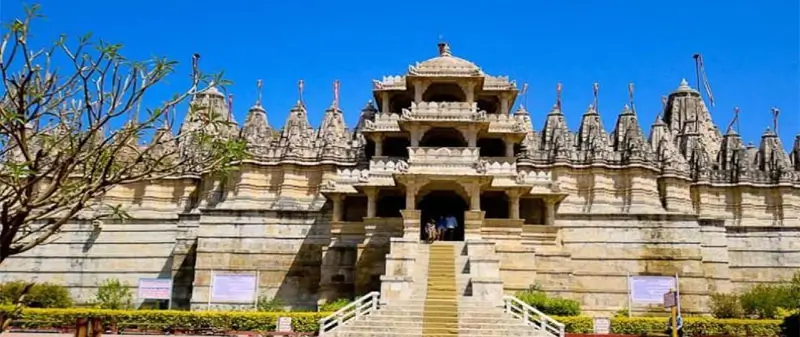
Ranakpur Jain Temple is one of the most iconic temples in Rajasthan, known for its stunning marble architecture and serene surroundings. The temple is dedicated to Jain traditions and represents a high level of craftsmanship that has been preserved over centuries.
The location of Ranakpur plays a significant role in its appeal. Surrounded by hills and greenery, the temple offers a peaceful environment that enhances the spiritual experience. Unlike crowded urban temples, Ranakpur provides space and calmness, allowing visitors to explore without distraction.
The temple complex is large and consists of multiple sections, each designed with intricate details. Walking through the temple allows visitors to observe the craftsmanship and understand the effort that went into its construction. This makes it one of the most important destinations for those interested in Ranakpur Jain Temple architecture.
From the calm valleys of Ranakpur to the artistic brilliance of Dilwara — this journey offers more than sightseeing, it offers a deeper connection.
The architecture of Ranakpur Jain Temple is its most defining feature. Built entirely in marble, the temple showcases detailed carvings and symmetrical design elements that reflect a high level of artistic skill.
The structure includes numerous pillars, each uniquely carved, creating a visually complex and impressive interior. The use of light within the temple adds to its beauty, as sunlight filters through openings and highlights the intricate details.
For photographers and architecture enthusiasts, Ranakpur offers endless opportunities to observe and capture details. The combination of design, material, and natural surroundings makes it a standout example of temple architecture in India.
Understanding the visiting hours is important for planning a smooth visit. The temple is open during specific hours, allowing visitors to explore its interiors and surroundings.
Visitors are expected to follow certain guidelines, including dress codes and behavior within the temple. These rules are designed to maintain the sanctity of the space and ensure a respectful environment.
Planning the visit during less crowded hours allows travelers to experience the temple in a more peaceful setting, enhancing the overall experience.
Dilwara Temples, located in Mount Abu, are another important example of Jain architecture. Known for their detailed marble carvings, these temples represent a different style compared to Ranakpur.
The temples are located in a hill station environment, which adds a different dimension to the visit. The cooler climate and structured layout create a more formal and organized experience.
Dilwara Temples are considered among the most refined examples of temple architecture in India. Their historical significance and artistic value make them an important destination for travelers.
The architecture of Dilwara Temples focuses on precision and detail. The carvings are extremely fine, showcasing a level of craftsmanship that is considered exceptional.
The interiors are designed with attention to detail, creating a visually rich environment. Unlike Ranakpur, where the scale is more expansive, Dilwara focuses on intricate detailing within a more compact space.
For travelers interested in Dilwara Temple marble carvings, this destination offers a unique experience that highlights the artistic capabilities of its time.
Comparing Ranakpur and Dilwara Temples helps travelers understand what each destination offers. While both are built in marble and represent Jain architecture, their overall experience differs significantly.
Ranakpur is larger, more open, and surrounded by natural landscapes. It provides a relaxed and immersive experience where visitors can explore at their own pace. Dilwara, on the other hand, is more structured and focused on detailed craftsmanship within a controlled environment.
The location also plays a role in the experience. Ranakpur is located in a rural setting, while Dilwara is part of Mount Abu, which is a popular hill station. This affects the overall atmosphere and accessibility.
Choosing between the two depends on personal preferences. Travelers looking for a peaceful and expansive experience may prefer Ranakpur, while those interested in detailed craftsmanship may find Dilwara more appealing.
The question of which temple is better depends on what the traveler is looking for. Both destinations offer unique experiences and are worth visiting in their own way.
For those who prefer nature and open spaces, Ranakpur is a better choice. The surrounding landscape and relaxed environment create a more immersive experience. For travelers interested in detailed architecture and a structured visit, Dilwara provides a more focused experience.
Many travelers choose to visit both temples as part of a larger itinerary, allowing them to experience the differences firsthand. This approach provides a more complete understanding of Jain architecture in Rajasthan.
Ranakpur and Dilwara are well-connected by road, making it possible to include both in a single trip. The routes pass through scenic landscapes, adding to the overall travel experience.
For those planning a Ranakpur and Dilwara Temple trip, using a private car provides flexibility and comfort. It allows travelers to explore both destinations without time constraints.
Get complete details on timings, travel routes, and expert tips to visit both temples smoothly. Make your Rajasthan journey well-planned and hassle-free.
Ranakpur’s location makes it an ideal stop for travelers heading towards Jawai. The short distance between the two destinations allows for easy travel without extending the itinerary.
Including Ranakpur in a Jawai trip adds cultural depth, creating a balanced experience that combines spirituality and wildlife. This combination is particularly appealing for travelers looking for variety.
Planning ahead ensures a smooth visit. Wearing appropriate clothing and respecting temple guidelines is important.
Traveling during less crowded hours enhances the experience. Carrying essentials such as water and being prepared for weather conditions helps in managing the visit comfortably.
Ranakpur offers more flexibility.
Approximately 50 kilometers.
Yes, visitors must follow guidelines.
Cooler months are preferred.
Yes, it offers a unique experience.
Yes, they can be combined.
Dilwara is known for finer detailing.
Ranakpur is larger in scale.
They are located in Mount Abu.
It is known for its marble architecture and peaceful surroundings.

Planning to visit Jawai? Need help with your stay or safari?
Get free, expert assistance from our team — no pressure, just honest guidance.
Any query? Write us mail.
info@jawainaturestay.com
Call to Inquire (08:00 - 20:00 hrs)
+91 9257995999
Talk to Experts
Whatsapp