
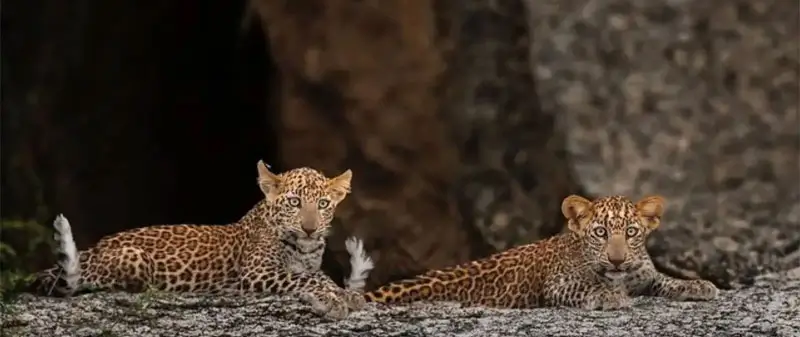
Rajasthan is widely known for its forts, palaces, and desert landscapes, but over the years, it has also emerged as one of the most important regions for leopard sightings in India. Unlike other wildlife destinations where spotting big cats can be unpredictable and dependent on dense forest conditions, Rajasthan offers a more open and accessible environment where leopards can often be observed in their natural habitat.
Leopards are among the most adaptable predators in the world, capable of surviving in a variety of environments ranging from forests to rocky terrains and even areas close to human settlements. This adaptability is one of the main reasons why Rajasthan has become a stronghold for these animals. The state’s unique combination of hills, scrub forests, and open landscapes provides ideal conditions for leopards to thrive.
In recent years, there has been a noticeable increase in interest among travelers searching for leopard safari in Rajasthan. Unlike tiger safaris, which are often crowded and restricted to specific zones, leopard sightings in Rajasthan offer a more flexible and less commercialized experience. This has made the state particularly appealing for travelers who are looking for something exclusive and different.
Understanding the leopard population in Rajasthan and where to see these animals helps travelers plan better and choose destinations that match their expectations. Whether it is the granite hills of Jawai or the forested areas near Jaipur, Rajasthan offers multiple opportunities to witness these elusive predators.
The exact number of leopards in Rajasthan is difficult to determine due to their elusive nature and the vast areas they inhabit. However, wildlife estimates suggest that the state has a significant and steadily increasing leopard population, spread across various regions including protected areas, forest zones, and even non-protected landscapes.
One of the most unique aspects of leopard distribution in Rajasthan is that they are not limited to national parks or wildlife sanctuaries. Unlike many other states where wildlife is confined to protected zones, Rajasthan’s leopards are often found in open areas, rocky hills, and regions where human settlements exist nearby. This coexistence has created a distinctive wildlife environment that is rarely seen elsewhere.
The growing awareness and conservation efforts have contributed to the stability of the leopard population in Rajasthan. Improved monitoring, reduced poaching, and community involvement have played an important role in protecting these animals. This has also increased the chances of sightings, making Rajasthan one of the best places in India for leopard safaris.
For travelers, this means that leopard sightings are not limited to a single destination. Instead, multiple regions across Rajasthan offer opportunities to observe these animals in different environments.
Discover unique places where leopards roam freely — from offbeat terrains to protected sanctuaries.
Rajasthan stands out as a top destination for leopard sightings due to several key factors. One of the most important is the type of landscape. Unlike dense forests where visibility is limited, Rajasthan’s terrain includes open hills, rocky outcrops, and scrub vegetation, which makes it easier to spot wildlife.
Another important factor is accessibility. Many leopard habitats in Rajasthan are located near major tourist destinations, making it convenient for travelers to include them in their itinerary. This accessibility has played a major role in increasing the popularity of leopard safari Rajasthan.
The coexistence of leopards with local communities is another unique aspect. In regions like Jawai, leopards have adapted to living close to villages without conflict, creating a rare and fascinating environment where humans and wildlife share the same space. This adds a cultural dimension to the wildlife experience.
For photographers and wildlife enthusiasts, Rajasthan offers ideal conditions for capturing leopards in their natural habitat. The combination of open landscapes and good lighting conditions enhances the overall experience.
Jawai has gained international recognition as one of the best places to see leopards in India. Located in Rajasthan, this region is known for its unique landscape of granite hills and open terrain, which provides an ideal habitat for leopards.
What makes Jawai different from other wildlife destinations is the way leopards live in this region. Instead of being confined to a park, they roam freely across the hills, often sharing space with local communities. This creates a rare opportunity for travelers to observe wildlife in a natural and unrestricted environment.
The Jawai leopard safari experience is highly sought after because of its exclusivity. Unlike crowded national parks, Jawai offers a more personalized and peaceful experience. The chances of spotting leopards are relatively high, making it a preferred destination for wildlife enthusiasts.
For travelers coming from Gujarat, Jawai is also one of the most accessible wildlife destinations. Its proximity makes it ideal for weekend trips, further increasing its popularity.
The Jhalana Leopard Safari Park offers a completely different type of leopard experience compared to Jawai. Located within the city of Jaipur, this park is one of the few urban leopard habitats in India.
Jhalana provides a structured safari experience, with designated routes and guided tours. The park is known for its high density of leopards, making sightings relatively frequent. This makes it a popular choice for travelers who want a more predictable wildlife experience.
Unlike Jawai, where the experience is open and flexible, Jhalana operates as a controlled environment. This ensures safety and organization but may limit the sense of freedom that some travelers seek.
For those visiting Jaipur, Jhalana is an excellent addition to the itinerary, offering a quick and accessible wildlife experience without requiring long travel.
Ranthambore National Park is primarily known for its tiger population, but it also supports a significant number of leopards. The park’s diverse ecosystem provides suitable conditions for multiple species, making it one of the most important wildlife destinations in Rajasthan.
Leopards in Ranthambore are often more elusive compared to tigers, as they tend to avoid areas with heavy human activity. However, sightings do occur, especially in less crowded zones of the park.
The presence of historical ruins within the park adds a unique element to the experience, allowing travelers to capture wildlife against a backdrop of ancient structures. This combination of nature and history makes Ranthambore a visually rich destination.
While the park is popular and can be crowded, it remains an important part of the wildlife circuit in Rajasthan.
Apart from Jawai, Jhalana, and Ranthambore, leopards can also be found in other regions of Rajasthan. Areas around Kumbhalgarh, Bera, and parts of the Aravalli range support leopard populations.
These regions may not be as well-known or organized as major safari destinations, but they offer opportunities for those who are willing to explore offbeat locations. The presence of leopards in these areas highlights the adaptability of the species and the diversity of Rajasthan’s wildlife.
For travelers interested in offbeat leopard destinations in Rajasthan, these regions provide an alternative to more popular locations.
Timing plays an important role in wildlife sightings. Leopards are generally more active during early morning and late evening, making these the best times for safari.
Seasonal conditions also affect visibility and animal behavior. Cooler months provide more comfortable conditions for both travelers and wildlife, increasing the chances of sightings.
Planning the trip during favorable conditions enhances the overall experience and improves the likelihood of successful sightings.
Get expert guidance, best safari locations, and hassle-free travel planning — all in one place.
Comparing Jawai and Jhalana helps travelers decide which destination suits their preferences. Jawai offers an open and natural environment with a more exclusive experience, while Jhalana provides a structured safari with higher predictability.
Travelers looking for a raw and immersive experience often prefer Jawai, while those seeking convenience and quick access may choose Jhalana. Both destinations have their own advantages, and the choice depends on individual preferences.
Planning ahead ensures a better safari experience. Booking safaris in advance, choosing the right time, and being patient are important factors.
Traveling with a private car for Rajasthan wildlife tour provides flexibility and allows travelers to explore multiple destinations comfortably.
Respecting wildlife and following guidelines ensures a safe and responsible experience.
Its open landscape, high visibility, and coexistence of humans and leopards make it unique.
Most destinations are well-connected by road and easily accessible.
Yes, regions like Bera and Kumbhalgarh also have leopard populations.
Yes, it offers a premium and exclusive experience.
Cooler months and early morning or evening safaris are ideal.
Because of its open terrain, accessibility, and unique coexistence of wildlife with local communities.
Leopards are present in Ranthambore, but sightings are less frequent compared to tigers.
Jawai offers a more natural and open experience, while Jhalana provides a structured safari within a designated park.
Jawai is considered one of the best locations due to its open environment and high visibility.
Rajasthan has a significant and growing leopard population, making it one of the best states for sightings due to its open landscapes.
Planning to visit Jawai? Need help with your stay or safari?
Get free, expert assistance from our team — no pressure, just honest guidance.
Any query? Write us mail.
info@jawainaturestay.com
Call to Inquire (08:00 - 20:00 hrs)
+91 9257995999
Talk to Experts
Whatsapp