
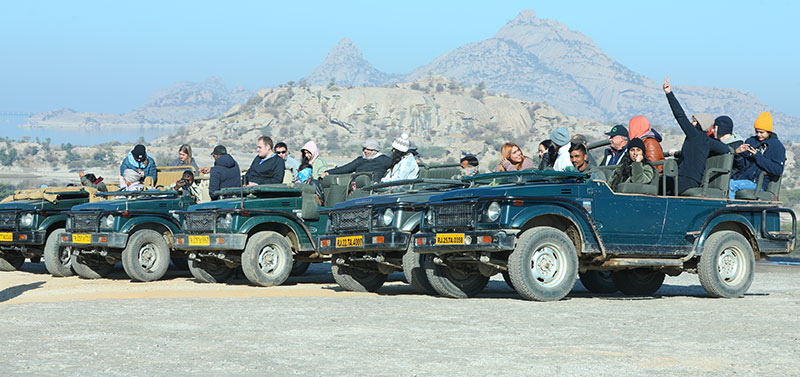
Among all the big cats found in India, the Indian Leopard (Panthera pardus fusca) is one of the most fascinating. Known for its adaptability and stealth, this predator has survived in landscapes ranging from dense forests to arid hills and even near human settlements. While tigers often get the spotlight in India’s wildlife tourism, leopards have carved their own place in the hearts of nature lovers. And when we talk about leopard sightings in India, no place is as famous as Jawai in Rajasthan, also known as the Leopard Capital of India.
This blog takes you through everything you need to know about the Indian leopard — its facts, behavior, habitat, and why Jawai is the best place to see them in the wild.
The Indian leopard is incredibly adaptable, making it the most widely distributed big cat in the country.
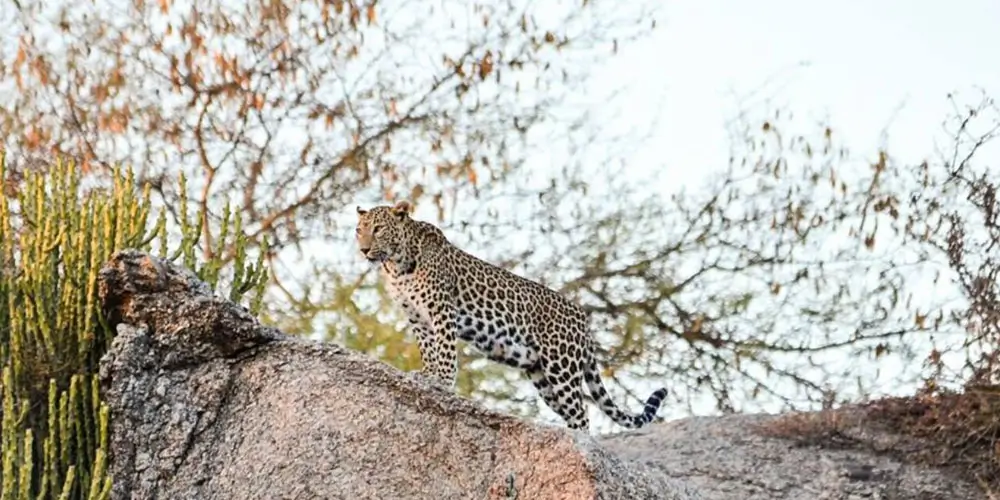
One of the reasons leopards have thrived in India is their ability to live in diverse habitats. Unlike tigers, which require dense forests, leopards adjust to semi-arid zones, rocky hills, and even near agricultural villages.
But the most unique example of leopard habitat is Jawai Rajasthan, where these predators live in natural caves among granite hills.
Leopards are solitary animals, known for their stealth and power.
In Jawai, leopards have adapted uniquely to live close to human settlements — something rare in other parts of the world.
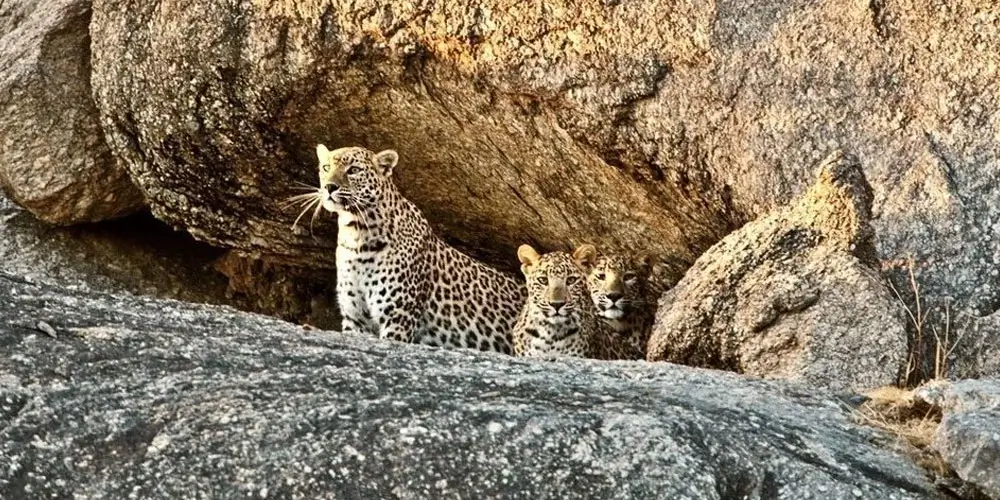
Located in Pali district of Rajasthan, Jawai has become world-famous for leopard sightings. What sets Jawai apart is not just the high leopard density but also the peaceful coexistence between leopards and humans.
Why Jawai is Famous for Leopards
This unique blend of nature and culture makes Jawai the ultimate leopard destination.
One of the main reasons Jawai is called the best leopard safari in India is the frequency of sightings. Visitors often spot leopards sitting on boulders, resting near temples, or walking through villages.
Unlike other parks where leopard sightings are rare, Jawai almost guarantees them if you book 2–3 safaris.
Perhaps the most remarkable aspect of Jawai leopards is how they live in harmony with people. The Rabari tribe, semi-nomadic shepherds, believe leopards are linked to their deities. Even when livestock is taken, they accept it as nature’s way and avoid harming the big cats.
This mutual respect has allowed leopard populations to thrive without conflict. For tourists, witnessing leopards near temples and villages is an unforgettable experience.
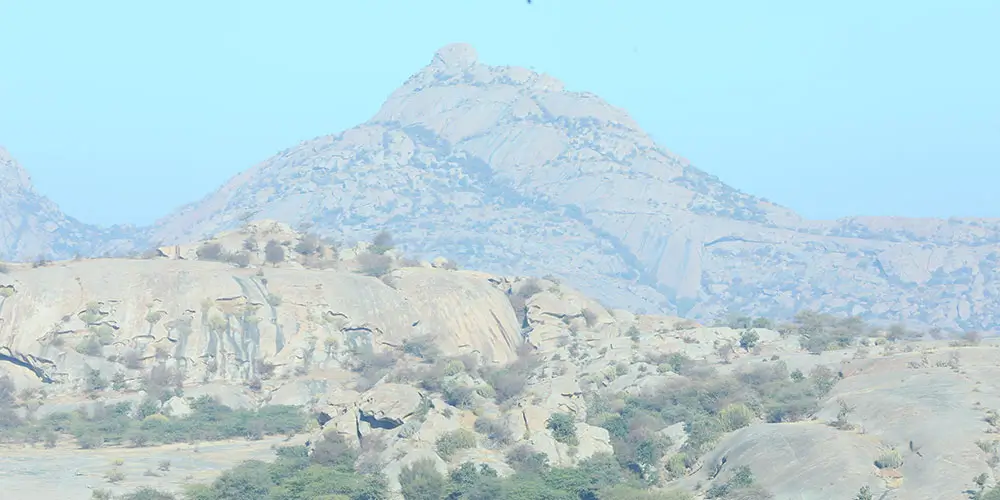
Though leopards are the stars, Jawai offers a complete wildlife package:
This biodiversity ensures that safaris in Jawai are never limited to one species.
The Indian leopard is listed as Vulnerable on the IUCN Red List. Major threats include:
However, places like Jawai show how conservation can succeed when communities respect wildlife.
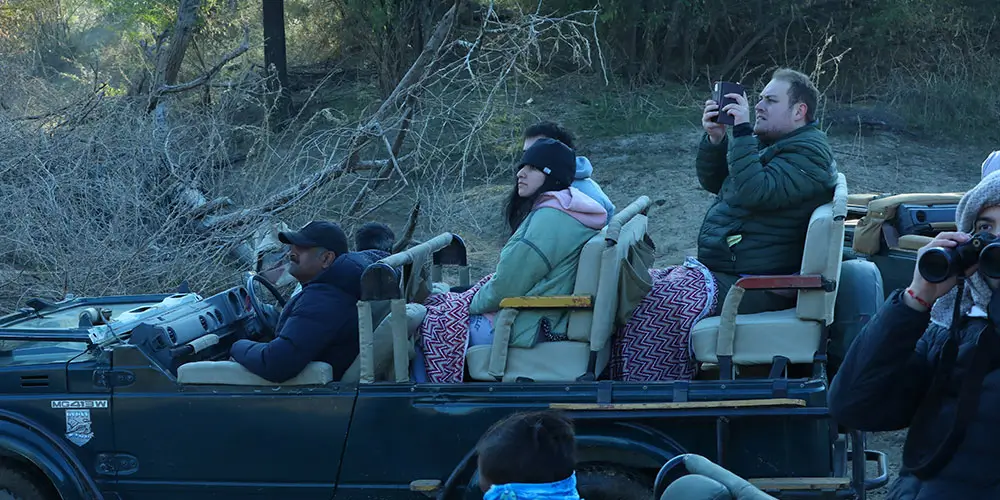
For wildlife photographers, Jawai is a dream. Granite hills, open skies, and fearless leopards create stunning frames. Early mornings and evenings provide golden light that enhances shots. Many professional photographers visit Jawai specifically to capture leopards in natural and cultural settings.
Unlike tiger parks, Jawai is open throughout the year, making it flexible for tourists.
To fully enjoy leopard sightings, staying at the right place is crucial. Jawai Nature Stay is among the best resorts offering:
Call or WhatsApp on +91-8955000999 (Mr. Nand Singh Rathore) or Email: info@jawainaturestay.com to book your Jawai Leopard Safari today.
The Indian leopard is fascinating because of its adaptability. From dense forests to arid deserts, from Himalayan slopes to village edges, they survive everywhere. Jawai showcases the best of this adaptability — where leopards not only survive but thrive in harmony with humans. For travelers, this makes Jawai not just a safari but a lesson in coexistence.
Jawai Rajasthan, famous as the Leopard Capital of India.
Almost 90% chances if you book 2–3 safaris.
Very safe; safaris are conducted in secure jeeps with guides.
Yes, Jawai is family-friendly with safe resorts and easy safaris.
Crocodiles, wolves, hyenas, jackals, and migratory birds.
April–June for peak sightings, October–March for comfort.
By road from Udaipur (150 km), Jodhpur (180 km), or by train to Jawai Bandh station.
No, it also offers cultural experiences and birdwatching.
No, they coexist peacefully with Rabari shepherds.
Jawai Nature Stay, offering guided safaris and cultural stays.
Planning to visit Jawai? Need help with your stay or safari?
Get free, expert assistance from our team — no pressure, just honest guidance.
Any query? Write us mail.
info@jawainaturestay.com
Call to Inquire (08:00 - 20:00 hrs)
+91 9257995999
Talk to Experts
Whatsapp