
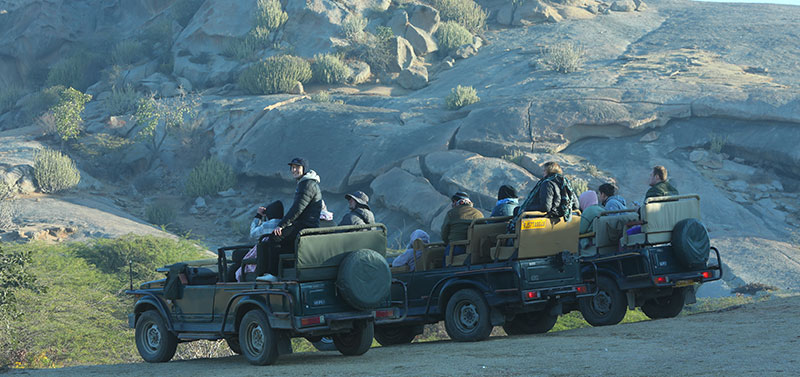
The rugged landscapes of Rajasthan take on a magical charm in the winter months, and nowhere is this more evident than in Jawai Leopard Hills. Known for its free-roaming leopards, migratory birds, and Rabari culture, Jawai is a destination that blends adventure with serenity. Winter, stretching from October to March, is the ideal season to explore Jawai because the weather is pleasant, the skies are clear, and both wildlife and cultural life are at their peak. A winter adventure in Jawai Leopard Hills offers thrilling safaris, peaceful birdwatching, cozy evenings by bonfires, and authentic Rajasthani hospitality.
The Jawai Leopard Hills are a range of granite hills surrounding the Jawai Dam in Pali district, Rajasthan. These rugged hills provide natural caves where leopards rest and breed. Unlike other national parks, leopards here are not confined; they roam freely in landscapes shared with villages and temples. This coexistence makes Jawai Leopard Safari unique, as tourists often spot leopards near temples, on hilltops, or walking across fields. Winter makes these sightings more comfortable as the cool air allows longer safari rides without the scorching heat of summer.
The highlight of any trip to Jawai is the leopard safari, and winter provides ideal conditions. Safaris take place in open jeeps, guided by expert naturalists. Morning safaris in winter bring misty landscapes and the chance to see leopards returning from night hunts. Evening safaris, bathed in golden light, are perfect for photography. Since leopards are more active during cooler months, winter often results in multiple sightings. For serious wildlife lovers, booking at least 2–3 safaris is highly recommended to maximize encounters.
While leopards are the star attraction, winter transforms Jawai Dam into a haven for migratory birds. Flocks of flamingos, bar-headed geese, cranes, pelicans, and storks arrive, turning the reservoir into a vibrant birding hotspot. Photographers and nature lovers can enjoy peaceful boat rides across the dam, spotting both birds and crocodiles basking on the banks. Early mornings in winter are especially enchanting, with pink skies, mist over the water, and flamingos wading gracefully.
Winter is also the best time to visit Rabari villages, where shepherds in red turbans lead their cattle through fields. Tourists can join guided walks to learn about the Rabari lifestyle, embroidery work by women, and their sacred connection with leopards. Since winter is harvest season, villages are lively with activity. Travelers often enjoy sipping hot chaas or tea while listening to folk tales about leopards told by elders. These cultural experiences add depth to a Jawai trip, offering something beyond wildlife.
The granite hills of Jawai are dotted with ancient temples, often located in areas frequented by leopards. Visiting shrines like Kambeshwar Mahadev Temple during winter is particularly enjoyable, as the cool air allows comfortable treks. Tourists often witness leopards resting on rocks near temples, creating a surreal blend of spirituality and wildlife. With guides ensuring safety, temple visits in Jawai become both cultural and adventurous.
One of the most captivating aspects of winter in Jawai is the experience of chilly nights under starry skies. Resorts like Jawai Nature Stay arrange bonfire evenings where guests enjoy Rajasthani food, folk music, and storytelling sessions. The clear winter skies are perfect for stargazing and astrophotography, with the Milky Way visible to the naked eye. This balance of adventure-filled days and peaceful nights makes Jawai a perfect winter getaway.
Rajasthan’s food takes on a special charm in winter, and Jawai is no exception. Guests staying at resorts are treated to traditional dishes like:
Meals are often served in open courtyards or around bonfires, adding warmth to the dining experience.
For photographers, winter offers the best conditions to capture Jawai Leopard Hills. The soft golden light of winter mornings and evenings highlights the rugged terrain, while mist over the dam creates dramatic frames. Wildlife photographers particularly enjoy capturing leopards against temple backdrops or flamingos flying over the water. Cultural photography is equally rewarding, with Rabari shepherds in colorful attire moving across the landscape.
While safaris are the main adventure, Jawai offers other winter activities too:
These experiences ensure that every day in Jawai is filled with variety.
To fully enjoy your winter trip to Jawai, choosing the right stay is essential. Jawai Nature Stay offers comfortable tented accommodations, family rooms, and machan tents that keep you close to nature while providing warmth and safety. Guests enjoy guided safaris, cultural walks, and delicious food tailored to the winter season.
Call or WhatsApp on +91-8955000999 (Mr. Nand Singh Rathore) or Email: info@jawainaturestay.com to book your winter safari and stay.
Because of pleasant weather, migratory birds, and active leopards.
Between 8°C at night and 25°C during the day.
Yes, open jeep safaris are most enjoyable in winter.
Yes, flamingos, cranes, pelicans, and geese arrive at Jawai Dam.
Yes, guided walks are arranged to meet locals and learn their culture.
Yes, Kambeshwar Mahadev and other shrines near hills.
Laal maas, dal baati churma, ker sangri, and hot chaach.
At least 2–3 safaris for higher chances of leopard sightings.
Yes, winter is peak season, advance booking is necessary.
At Jawai Nature Stay, offering safaris, food, and cultural experiences.
Planning to visit Jawai? Need help with your stay or safari?
Get free, expert assistance from our team — no pressure, just honest guidance.
Any query? Write us mail.
info@jawainaturestay.com
Call to Inquire (08:00 - 20:00 hrs)
+91 9257995999
Talk to Experts
Whatsapp