
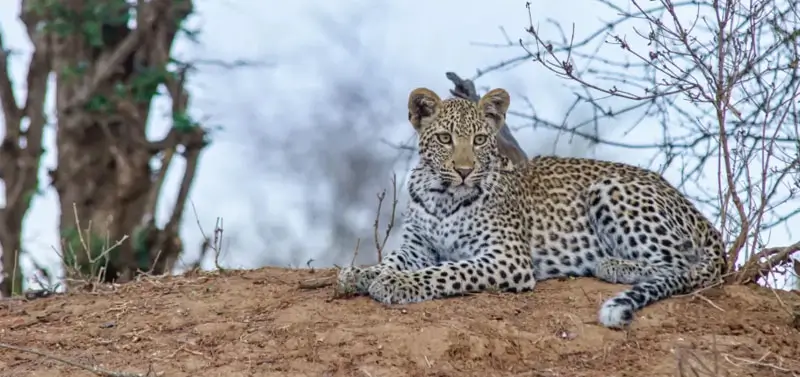
When most people think of Rajasthan, they imagine palaces, forts, deserts, and royal heritage. While this is true, Rajasthan is also a paradise for wildlife lovers. The state is home to several wildlife sanctuaries and reserves that protect tigers, leopards, migratory birds, and rare flora and fauna. From the famous tiger reserve at Ranthambore to the hidden granite hills of Jawai Bera, Rajasthan’s wildlife tourism is as diverse as its culture. In this blog, we will cover the best wildlife sanctuaries in Rajasthan and explain why Jawai Leopard Reserve stands out as one of the most extraordinary destinations.
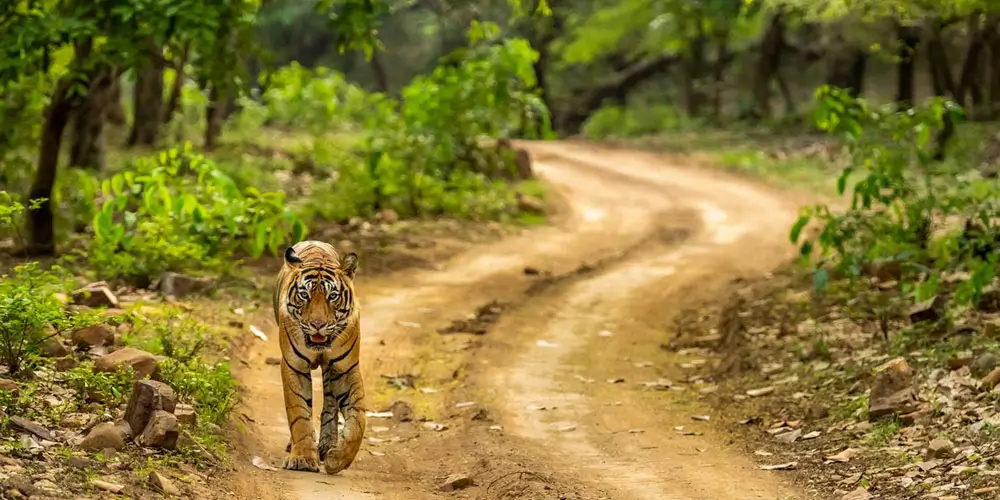
One of India’s most celebrated tiger reserves, Ranthambore National Park is spread across 1,334 sq. km in Sawai Madhopur. It is famous for its tiger sightings, ancient Ranthambore Fort, and scenic lakes like Padam Talao. Wildlife here includes tigers, leopards, marsh crocodiles, sloth bears, and more than 300 bird species. Safaris in Ranthambore are thrilling, especially at sunrise when tigers often walk across open paths. For those who want to combine history with wildlife, Ranthambore is a must-visit.
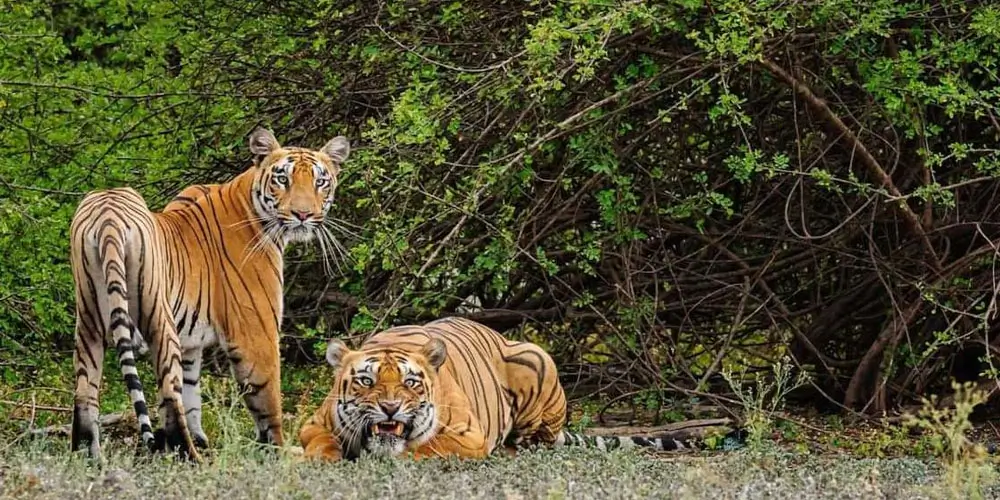
Located in Alwar district, Sariska Tiger Reserve is one of the closest sanctuaries to Delhi and Jaipur. Spread over 881 sq. km, it is home to tigers, leopards, hyenas, jackals, and sambars. The reserve is unique because of its ancient temples, forts, and palaces within its boundaries. Visitors often combine a safari with a trip to Pandupol Hanuman Temple or Kankwari Fort. Though less famous than Ranthambore, Sariska is ideal for weekend wildlife trips.
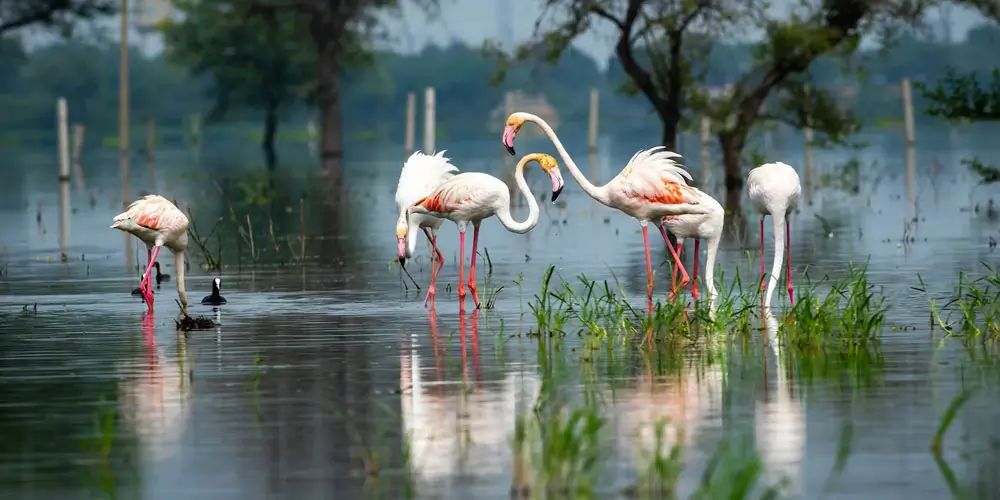
In Bharatpur district lies Keoladeo National Park (Bharatpur Bird Sanctuary), a UNESCO World Heritage Site. Spread across 29 sq. km, it is one of the most important bird breeding and feeding grounds in the world. The park hosts over 370 bird species, including migratory birds like Siberian cranes, pelicans, and painted storks. Birdwatchers from around the world visit in winter to capture stunning scenes of flocks at sunrise. Bicycle and rickshaw rides inside the park make it accessible to all age groups.
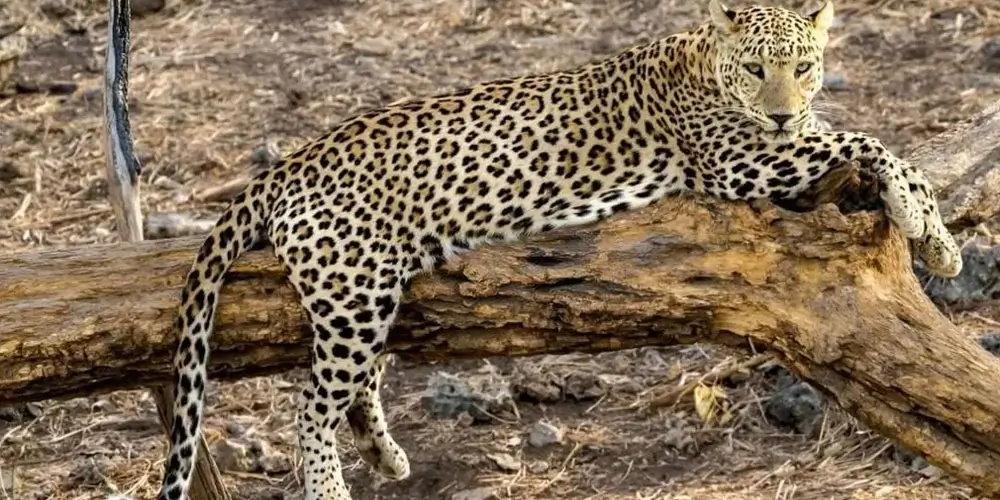
Surrounding the mighty Kumbhalgarh Fort, this sanctuary is spread across the Aravalli hills. Kumbhalgarh Wildlife Sanctuary is famous for leopards, wolves, hyenas, jackals, and bird species like grey jungle fowl and peacocks. Safaris here also include visits to tribal villages, adding a cultural layer to the wildlife experience. The sanctuary’s rocky terrain and scenic hills make it a photographer’s delight.
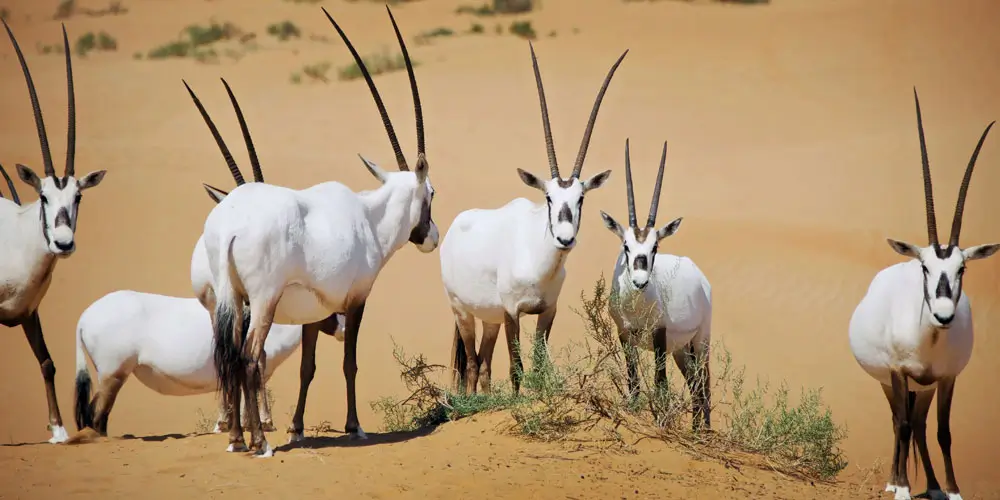
Near Jaisalmer, the Desert National Park is one of the largest sanctuaries in India, covering 3,162 sq. km. Despite being arid, it supports a surprising variety of life including desert foxes, chinkaras, great Indian bustards, and migratory eagles. Jeep safaris here reveal how wildlife adapts to desert conditions. The combination of sand dunes, fossils, and rare bird species makes this sanctuary unique.
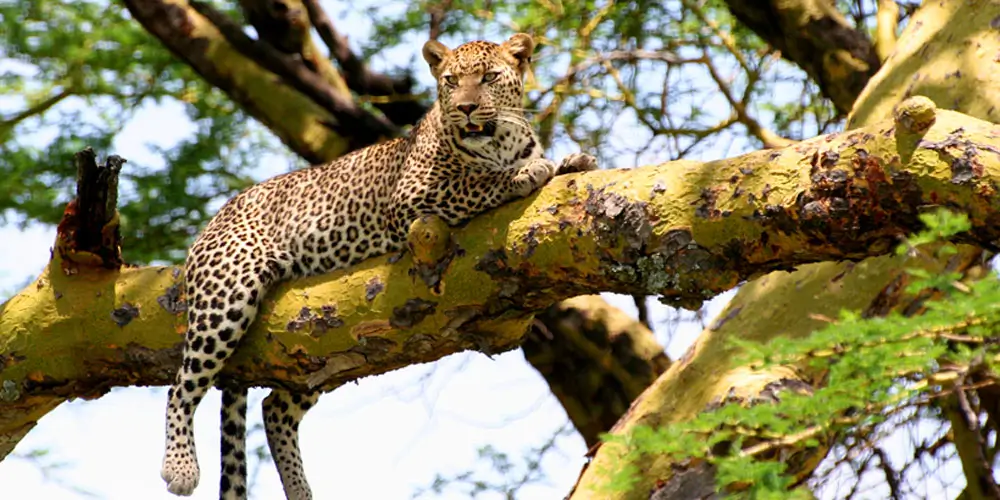
Unlike Rajasthan’s dry regions, Mount Abu Wildlife Sanctuary is lush and green. Spread across 288 sq. km, it houses leopards, jungle cats, striped hyenas, and more than 250 bird species. The sanctuary is also rich in orchids and medicinal plants. Treks and nature walks here give tourists a refreshing change from the desert landscapes Rajasthan is known for.
Among all sanctuaries, Jawai Leopard Reserve in Pali district stands out. It is not a formal national park but a community-driven landscape where leopards, humans, and livestock coexist peacefully.
Why Jawai is Special
This rare balance of wildlife, humans, and spirituality makes Jawai a sanctuary unlike any other.
Apart from leopard safaris, Jawai offers:
This diversity makes Jawai more than just a wildlife sanctuary — it’s a cultural and natural wonder.
Each season brings something unique, but winter remains the most comfortable time for travel.
To enjoy Jawai fully, staying close to the safari zones is important. Jawai Nature Stay is one of the best choices, offering:
With its balance of comfort and authenticity, Jawai Nature Stay makes the Jawai experience unforgettable.
Call or WhatsApp on +91-8955000999 (Mr. Nand Singh Rathore) or Email: info@jawainaturestay.com to book your Jawai safari stay.
While Rajasthan has several sanctuaries, Jawai Leopard Reserve is different. Here, wildlife is not confined to a park but shares space with people and temples. The high chances of leopard sightings, combined with cultural experiences, make it one of India’s most fascinating destinations. For travelers who want something offbeat yet rewarding, Jawai should be at the top of the list.
Ranthambore for tigers, but Jawai is famous for leopards.
No, it is a community landscape where leopards live freely.
Crocodiles, wolves, hyenas, jackals, and migratory birds.
Yes, especially in winter at Jawai Dam.
At least 2–3 days with 2–3 safaris.
Yes, though most close in monsoon except Jawai.
Yes, camps like Jawai Nature Stay are secure and family-friendly.
Rabari village tours, temple visits, and folk music nights.
Yes, it is well-connected to both cities by road.
Jawai Nature Stay, offering safaris, tents, food, and cultural programs.

Planning to visit Jawai? Need help with your stay or safari?
Get free, expert assistance from our team — no pressure, just honest guidance.
Any query? Write us mail.
info@jawainaturestay.com
Call to Inquire (08:00 - 20:00 hrs)
+91 9257995999
Talk to Experts
Whatsapp