
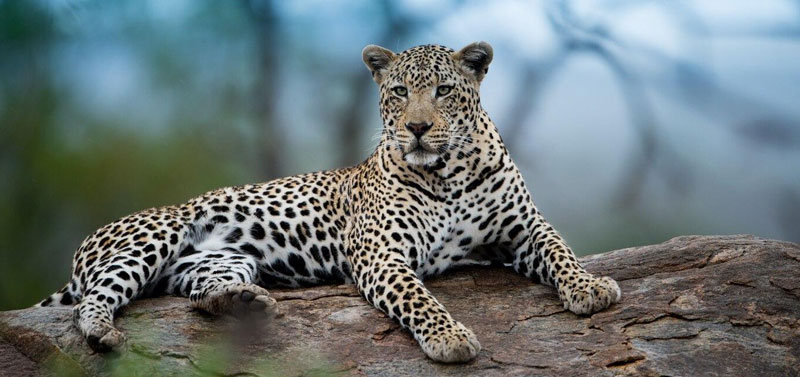
India is home to one of the richest collections of wildlife on the planet. From the Royal Bengal tigers of Sundarbans to Asiatic lions in Gir and snow leopards in Ladakh, every region has something unique to offer. National parks and sanctuaries protect these species while providing opportunities for eco-tourism. But among all these famous names, one destination has quietly built a reputation of being truly exceptional — Jawai in Rajasthan, often called the Leopard Capital of India. In this blog, we’ll explore the top wildlife sanctuaries in India and explain why Jawai Leopard Hills and Dam region stand out in such a competitive landscape.
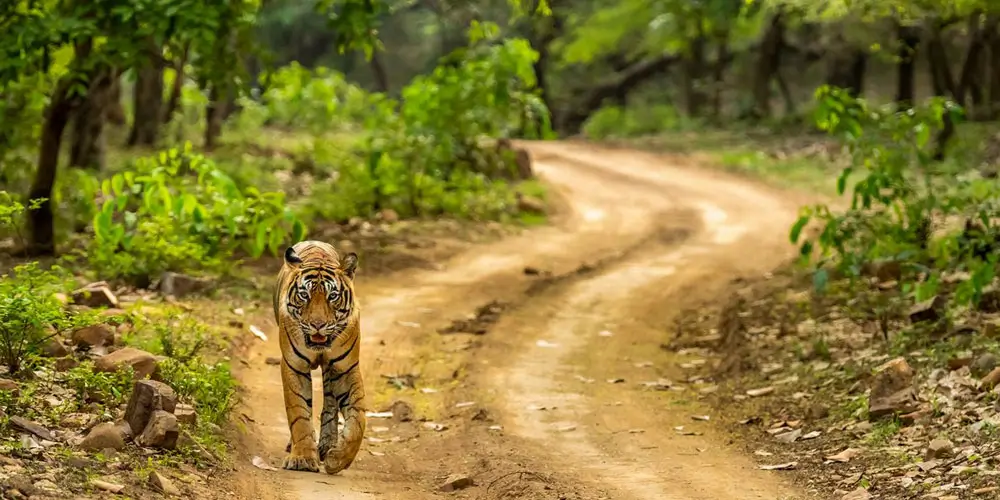
Located in Rajasthan, Ranthambore National Park is one of India’s most popular tiger reserves. Spread across 1,334 sq. km, it is famous not only for its tiger population but also for its historic Ranthambore Fort. Tourists enjoy thrilling jeep safaris, spotting tigers, leopards, sloth bears, and marsh crocodiles. Ranthambore is perfect for those who want to combine wildlife with heritage, as the ruins of palaces and temples make the park scenic and unique.
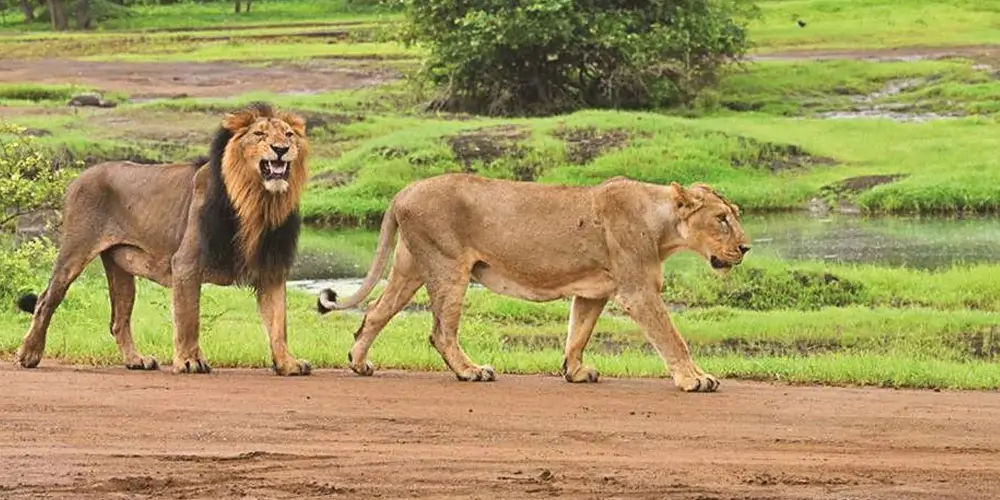
Gir National Park in Gujarat is the only natural habitat of the Asiatic lion. Spread across 1,412 sq. km, it attracts wildlife lovers from across the world. Safaris in Gir focus on lions but also include sightings of leopards, hyenas, antelopes, and jackals. Gir is heavily protected and highly regulated, ensuring conservation of its rare lion population. For those interested in seeing big cats other than tigers, Gir is the top destination.
Explore India’s top wildlife sanctuaries offering amazing biodiversity, thrilling safari experiences, and unforgettable animal encounters. Let us help you plan your perfect wildlife adventure.
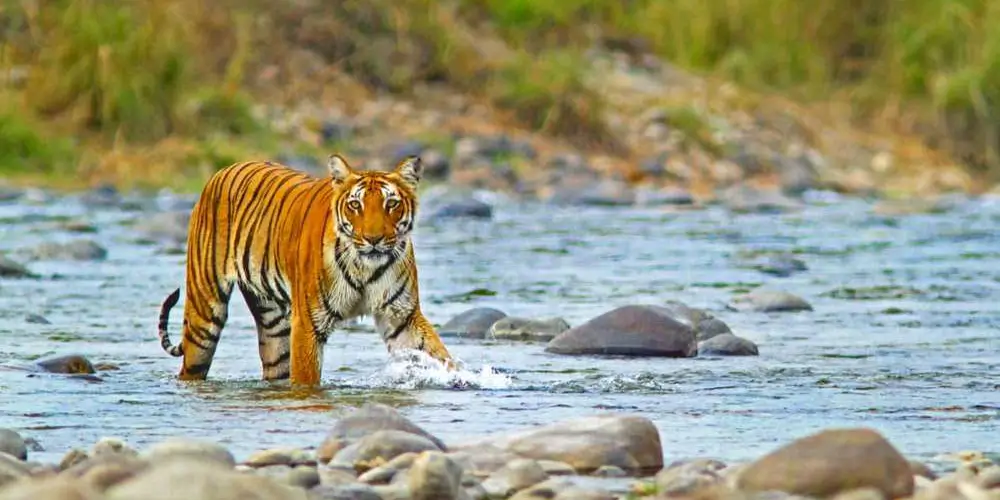
Established in 1936, Jim Corbett National Park in Uttarakhand is India’s first national park and a pioneer in tiger conservation. The park spans 1,318 sq. km and is divided into multiple safari zones. It is home to Bengal tigers, leopards, elephants, and more than 600 bird species. Tourists can also stay inside forest rest houses, making it a favorite for nature lovers. Corbett’s mix of dense sal forests, rivers, and grasslands makes it one of the most diverse sanctuaries in India.
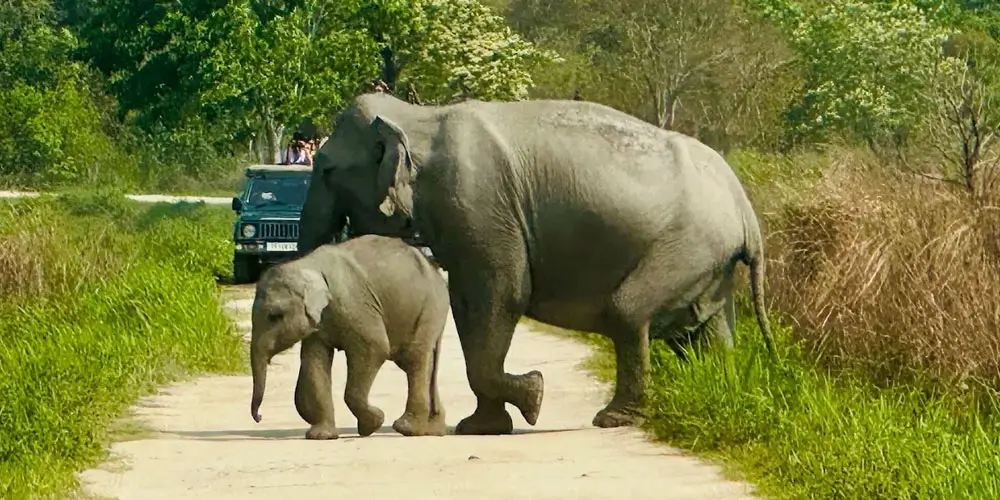
Located in Assam, Kaziranga National Park is a UNESCO World Heritage Site and the best place in the world to see the one-horned rhinoceros. Spread across 1,090 sq. km, Kaziranga is also home to elephants, swamp deer, wild water buffalo, and tigers. Jeep safaris and elephant rides give tourists access to its vast grasslands. Kaziranga’s unique species and wetlands ecosystem make it globally significant.
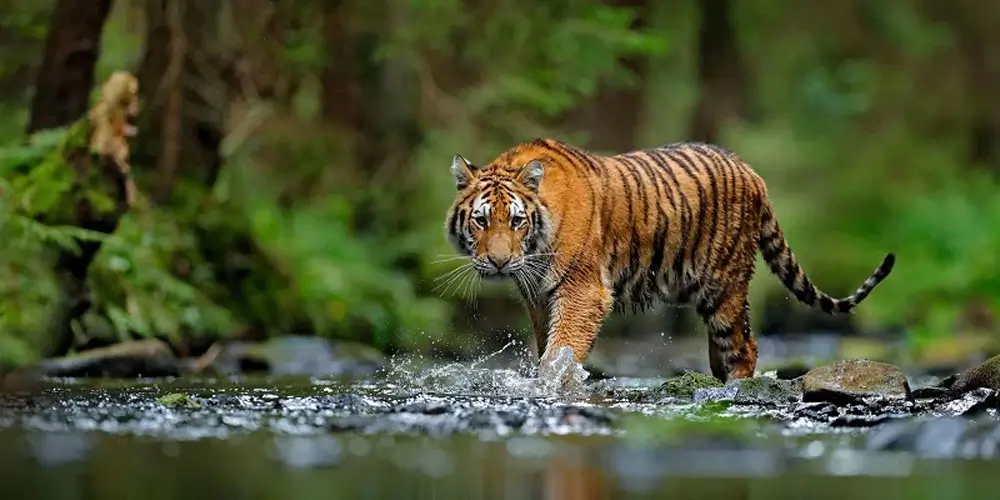
In Kerala’s Western Ghats, Periyar Wildlife Sanctuary is famous for its elephants. Boat cruises on the Periyar Lake allow tourists to see herds of elephants drinking water along the banks. Spread over 925 sq. km, Periyar also has tigers, leopards, and lion-tailed macaques. Its lush forests and calm backwaters make it a peaceful sanctuary for wildlife lovers.
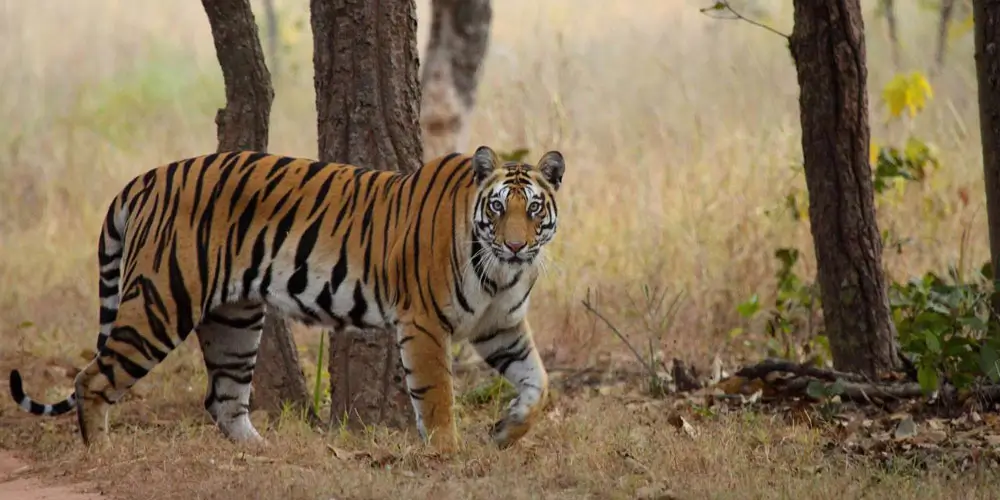
Located in Madhya Pradesh, Bandhavgarh National Park is known for having one of the highest densities of tigers in India. Spread across 1,536 sq. km, it is also rich in history, with the ancient Bandhavgarh Fort adding cultural depth. Jeep safaris here almost guarantee tiger sightings, making it a hotspot for photographers. Leopards, sloth bears, and wild boars are also common.
While the above sanctuaries are world-famous, Jawai Leopard Reserve in Rajasthan is different. Here’s why Jawai is unique:
Free-Roaming Leopards
Unlike other parks, Jawai is not a designated national park or tiger reserve. Leopards roam freely in the granite hills and villages, coexisting with humans. This makes sightings more fascinating and unpredictable.
Coexistence with Rabari Tribe
The Rabari shepherds live in harmony with leopards, believing them to be sacred. Even when leopards attack livestock, locals rarely retaliate. This peaceful coexistence is rarely seen anywhere else in the world.
Jawai Dam – Wildlife & Birds Together
The massive Jawai Dam adds another dimension to the landscape. It attracts migratory birds like flamingos, pelicans, and cranes, while crocodiles bask on the banks. This mix of aquatic and terrestrial wildlife makes Jawai unique.
Accessible Yet Offbeat
Jawai is located in Pali district, Rajasthan, about 150 km from Udaipur and 180 km from Jodhpur. It is easily accessible by road and rail but still offbeat compared to crowded parks like Ranthambore.
All-Year Safaris
Unlike tiger reserves that close in monsoon, Jawai safaris run almost all year round. Each season brings a different experience — winter for birds, summer for leopard activity, and monsoon for lush landscapes.
Experience raw wilderness, majestic leopard sightings, and peaceful nature stays in Jawai. Connect with us today to design a personalized safari and luxury stay experience.
A winter or summer trip to Jawai is not just about leopards. Guests also enjoy:
This diversity of experiences is why Jawai appeals to both wildlife lovers and cultural tourists.
To experience Jawai fully, choosing the right base is important. Jawai Nature Stay offers:
Whether you’re a photographer, family traveler, or international tourist, Jawai Nature Stay ensures an authentic Jawai experience.
Though smaller and less famous than other parks, Jawai offers a rare mix of wildlife, culture, and landscapes. The chance to see leopards outside reserves, interact with Rabari tribes, and enjoy birdwatching at the dam makes it one of the most unique sanctuaries in India. For those seeking something different from crowded tiger parks, Jawai is the perfect destination.
Call or WhatsApp on +91-8955000999 (Mr. Nand Singh Rathore) or Email: info@jawainaturestay.com to book your Jawai Leopard Safari and stay at Jawai Nature Stay.
Ranthambore for tigers, but Jawai is best for leopards.
Leopards live freely outside reserves and coexist with Rabari tribes.
Yes, crocodiles, hyenas, jackals, and migratory birds.
Yes, Jawai Dam attracts flamingos, cranes, and pelicans.
October–March for pleasant weather, April–June for leopard sightings.
At least 2–3 days with 2–3 safaris.
Yes, when conducted with trained guides and jeeps.
No, Jawai is unique for its human-leopard coexistence.
Yes, it’s close to Udaipur, Jodhpur, and Kumbhalgarh.
At Jawai Nature Stay, offering safaris, tents, food, and cultural tours.
Planning to visit Jawai? Need help with your stay or safari?
Get free, expert assistance from our team — no pressure, just honest guidance.
Any query? Write us mail.
info@jawainaturestay.com
Call to Inquire (08:00 - 20:00 hrs)
+91 9257995999
Talk to Experts
Whatsapp