
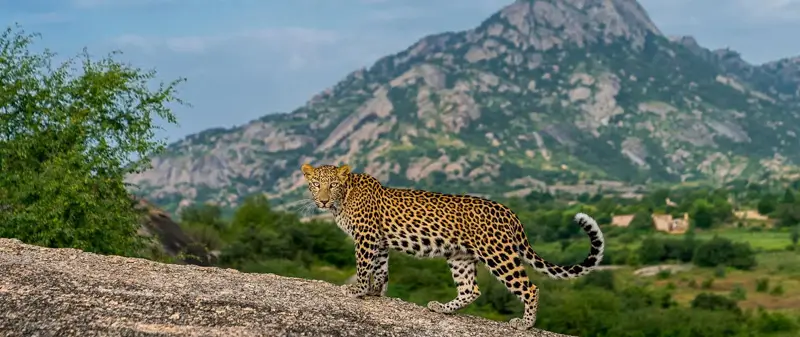
Rajasthan is often imagined through images of royal palaces, golden deserts, historic forts, and colorful cities, yet the region of Jawai presents a completely different side of the state one shaped by granite hills, hidden caves, wilderness landscapes, forests, and free moving leopards. Located between Udaipur and Jodhpur in western Rajasthan, Jawai has quietly transformed into one of India’s most fascinating wildlife destinations. Travelers visiting the region often arrive expecting safari experiences but quickly realize that the true beauty of Jawai lies in its landscape itself.
Unlike traditional national parks dominated by dense forests or commercial safari systems, Jawai feels open, raw, and naturally dramatic. Massive granite formations rise suddenly from the earth, creating rugged valleys, elevated ridges, caves, and rocky pathways that stretch across the horizon. These hills not only define the visual identity of Jawai but also shape the movement of wildlife, village life, and tourism across the region.
The wilderness of Jawai is unlike any other landscape in Rajasthan. During sunrise, the granite hills glow in golden shades while birds move above the reservoir and livestock routes slowly come alive across rural trails. By evening, the terrain transforms again as shadows spread across rocky surfaces and wildlife begins emerging from caves and forest patches. Travelers staying at Luxury Resorts in Jawai Rajasthan often describe the atmosphere as peaceful yet untamed a rare balance between comfort and wilderness.
One of the biggest reasons Jawai has gained global recognition is because of its leopard population. The region is internationally famous for providing some of India’s best leopard safari experiences. However, unlike many wildlife destinations where animals are the only focus, Jawai’s leopards are deeply connected with the landscape itself. The granite hills, scattered forests, water bodies, and grazing lands together create an ecosystem where predators, prey, birds, livestock, and local communities continue existing side by side.
Another remarkable aspect of Jawai is the emotional atmosphere created by the environment. Travelers do not simply observe wildlife here. They experience silence, open space, changing light, village movement, and natural textures that feel almost cinematic. The destination appeals strongly to photographers, wildlife enthusiasts, international travelers, luxury safari guests, and nature lovers searching for something more authentic than mainstream tourism.
The wild landscape of Jawai represents far more than scenic beauty alone. It is a living ecosystem where geology, wildlife, rural culture, and environmental history all remain interconnected.
Journey through Jawai's dramatic granite hills, untouched forests, and breathtaking wilderness, where every moment brings you closer to nature in its purest form.
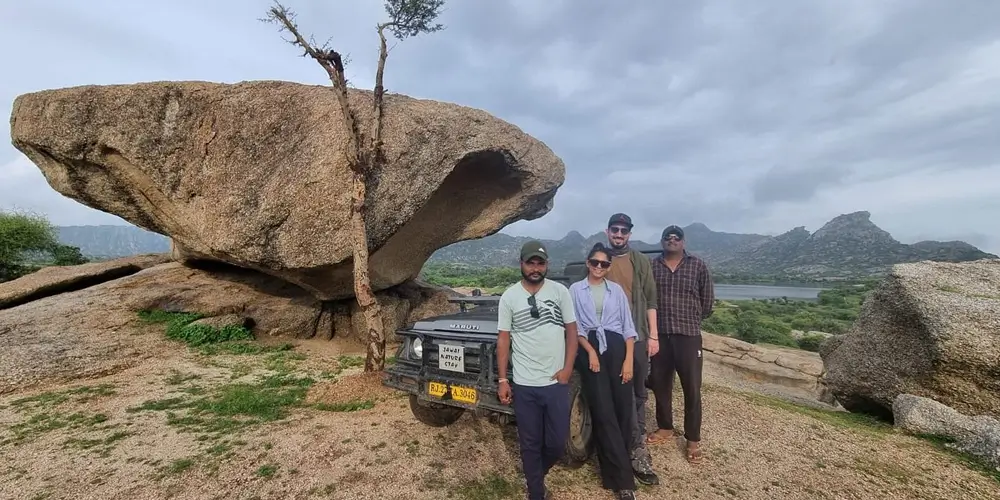
The granite hills of Jawai are among the oldest and most visually striking geological formations in Rajasthan. These massive rock structures dominate the landscape, creating dramatic scenery that feels ancient, rugged, and untouched. Unlike the soft sand dunes associated with desert Rajasthan, Jawai’s terrain appears powerful and textured, shaped over centuries by erosion, climate, and natural geological movement.
Travelers visiting Jawai often become immediately fascinated by the unusual rock formations scattered across the region. Some hills rise sharply from open plains, while others form caves, narrow valleys, giant boulders, and elevated viewpoints. The terrain creates endless visual contrast throughout the day as sunlight changes the colors and textures of the granite surfaces.
These hills are not only visually important but also ecologically essential. The caves and crevices provide shelter for leopards and smaller wildlife species, while elevated ridges offer predators natural observation points across the wilderness. Guests staying at Luxury Wildlife Resorts in Jawai frequently observe how deeply connected wildlife behavior is with the rocky environment.
The granite formations also influence climate conditions within the region. During daytime hours, many animals use shaded caves and rocky shelters to escape heat, while mornings and evenings bring increased wildlife movement across open terrain.
One of the most fascinating aspects of the hills is their silence. Unlike crowded mountain destinations filled with tourist infrastructure, Jawai’s granite landscapes still feel largely untouched by mass tourism. Travelers walking through the terrain often hear only wind moving across rocks, distant bird calls, and occasional livestock movement from nearby villages.
Photographers and filmmakers especially admire Jawai because the hills create extraordinary visual storytelling opportunities. Leopards resting on elevated granite surfaces against dramatic skies have become internationally recognized images associated with the region.
The terrain also creates emotional impact. Travelers often describe feeling small within the vast wilderness landscapes of Jawai. The ancient appearance of the hills combined with open skies and wildlife movement creates an atmosphere difficult to experience in more commercial tourism destinations.
The granite formations ultimately form the backbone of Jawai’s entire identity shaping wildlife behavior, safari experiences, village life, photography tourism, and the emotional atmosphere of the destination itself.
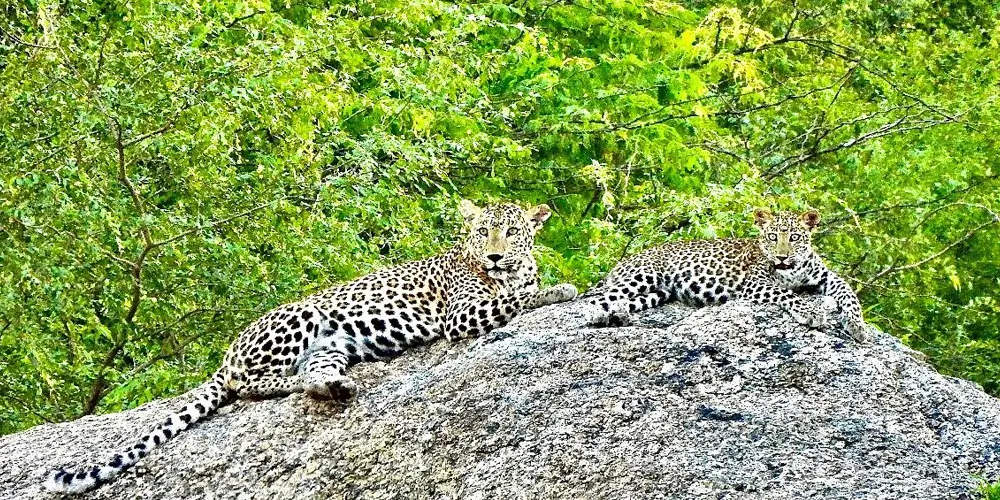
Although Jawai is globally recognized for its rocky terrain, the region also contains an important wilderness ecosystem made up of scrub forests, grasslands, water zones, and scattered vegetation supporting diverse wildlife populations.
The forests surrounding Jawai are different from the dense jungles commonly associated with Indian safari tourism. Instead of thick tree cover, the region contains semi-arid vegetation adapted to Rajasthan’s dry climate conditions. Thorny bushes, acacia trees, grasses, and seasonal greenery dominate much of the terrain.
This environment creates ideal conditions for wildlife movement. Open visibility allows predators such as leopards to navigate rocky landscapes effectively, while smaller mammals, birds, and prey species move through valleys and vegetation corridors surrounding the hills.
Guests staying at Luxury Leopard Safari Resorts in Jawai often notice how naturally the wilderness blends into rural life. Livestock routes, village settlements, temple pathways, and wildlife habitats all overlap within the same environment. This coexistence contributes strongly to Jawai’s unique identity compared to isolated national parks.
Birdlife within the region is especially impressive. The combination of rocky terrain, forests, and nearby water bodies creates suitable habitats for migratory and resident bird species. Eagles, cranes, kingfishers, owls, pelicans, flamingos, and numerous smaller birds are regularly seen around the region.
The ecosystem surrounding Jawai Dam also plays an important role in maintaining biodiversity. Water availability attracts wildlife movement and supports vegetation growth in surrounding areas. Seasonal changes further influence the appearance of the wilderness, with certain months bringing greener landscapes and increased bird activity.
Unlike highly commercialized safari regions where tourism infrastructure dominates the environment, Jawai still feels ecologically balanced. Travelers often appreciate the sense that wildlife here moves freely through a living landscape rather than existing only within controlled tourist zones.
Another important aspect of Jawai’s wilderness is its low density tourism atmosphere. Safari experiences generally feel quieter and more intimate compared to crowded national parks filled with vehicles and strict route systems. This peacefulness allows travelers to connect emotionally with the landscape rather than simply rushing between sightings.
The forests and open wilderness of Jawai contribute equally to the destination’s growing reputation as a luxury nature travel experience.
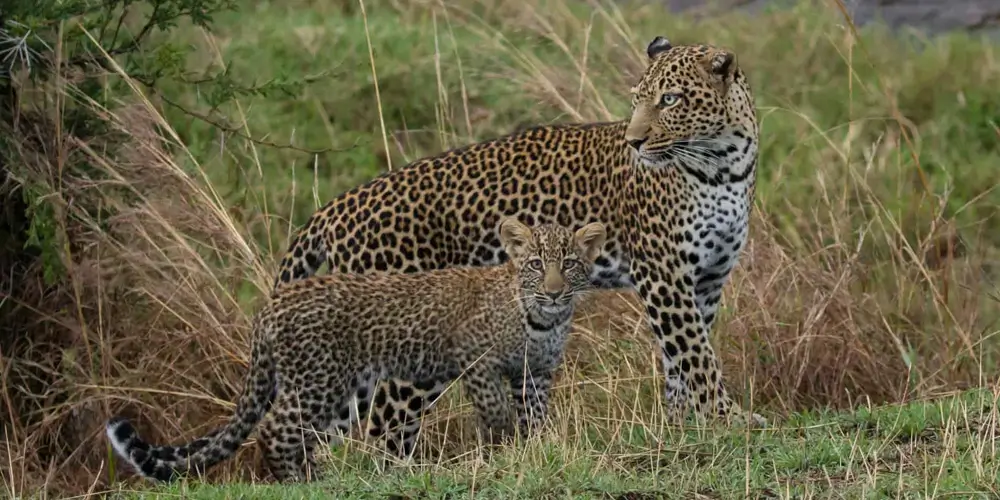
The relationship between Jawai’s landscape and its leopard population is one of the most fascinating aspects of the region. The granite hills, caves, forests, prey movement, and open terrain together create an ideal habitat for these highly adaptable predators.
Leopards are known for surviving in diverse environments, yet Jawai offers especially favorable conditions because the rocky landscape provides natural shelter, elevation, and strategic movement routes. Caves hidden within granite formations allow predators to rest safely during daytime hours, while elevated rocks help them monitor prey and territory movement across the wilderness.
Travelers on Leopard Safari in Jawai Rajasthan often observe how confidently leopards move through the terrain. Unlike predators living within dense forests, Jawai’s leopards frequently use exposed rocky surfaces and hill ridges as part of their natural movement patterns.
Another reason leopards thrive in Jawai involves the coexistence culture maintained by local communities. Villages and wildlife territories overlap throughout the region, yet local tolerance toward predators has historically remained unusually strong. This coexistence reduced large scale hostility and allowed leopards to survive outside strictly protected forest systems.
The open landscape also contributes to the popularity of leopard safaris in Jawai. Visibility across rocky hills often improves opportunities for observing wildlife naturally. International photographers especially appreciate the dramatic visual contrast created when leopards appear against granite backdrops during sunrise or sunset.
The prey ecosystem surrounding Jawai also supports predator survival. Smaller mammals and livestock movement within the broader wilderness landscape contribute to ecological balance across the region.
Guests staying at Luxury Resorts in Jawai Rajasthan frequently describe leopard sightings here as emotionally different from tiger safaris or crowded wildlife tourism experiences. The atmosphere feels calmer, more natural, and deeply connected with the environment itself.
Leopards in Jawai are not isolated attractions placed within tourist systems. They remain active participants within a living ecosystem shaped by geology, villages, forests, water, and environmental history.
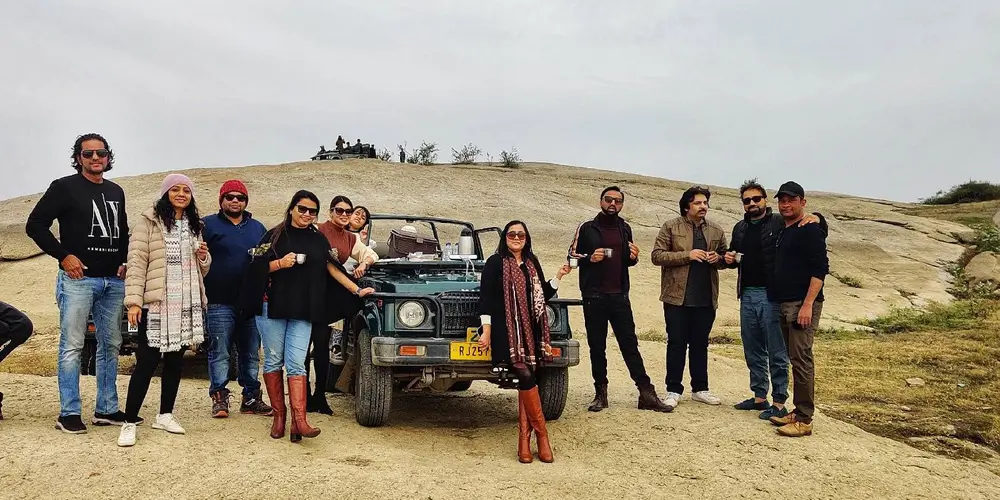
Modern luxury travelers increasingly search for destinations offering authenticity, emotional atmosphere, and environmental connection instead of only commercial sightseeing experiences. Jawai strongly appeals to this new generation of travelers because the region still feels untouched and naturally wild.
International guests visiting Jawai often describe the landscape as cinematic. The combination of granite hills, wildlife movement, open skies, silence, forests, and village life creates scenery that feels visually powerful and emotionally calming at the same time.
Travelers staying at Luxury Wildlife Resorts in Jawai frequently appreciate the slower pace of the destination. Unlike crowded cities and heavily commercialized tourism circuits, Jawai encourages silence, observation, and immersion within nature.
Photography tourism has played a major role in Jawai’s growing popularity. Wildlife photographers, landscape filmmakers, documentary creators, and luxury travel influencers regularly showcase the dramatic visual identity of the region internationally.
Another reason travelers connect emotionally with Jawai is because the landscape feels alive rather than curated. Leopards move freely through rocky terrain, shepherds guide livestock across valleys, birds circle above reservoirs, and local villages continue daily routines naturally within the wilderness.
Luxury travel in modern times increasingly focuses on emotional experience rather than material excess alone. Jawai’s appeal comes from privacy, natural beauty, wildlife atmosphere, and environmental authenticity rather than crowded entertainment structures.
The region also appeals strongly to wellness focused travelers searching for mental calmness and digital disconnection. Walking through granite landscapes, observing wildlife quietly, and spending evenings under open skies create emotional recovery difficult to find within urban tourism environments.
Guests often leave Jawai with memories connected not only to safari sightings but also to the atmosphere of the wilderness itself.
Escape crowded destinations and immerse yourself in Jawai's raw beauty, where luxury meets nature across granite hills, open landscapes, and unforgettable wildlife encounters.
As Jawai continues gaining international attention, preserving the ecological and visual integrity of the region becomes increasingly important. The growing popularity of luxury resorts, safari tourism, and destination travel creates both opportunities and challenges for the wilderness ecosystem.
Responsible tourism will play a major role in protecting Jawai’s identity. The destination’s success depends heavily on maintaining open landscapes, wildlife corridors, low-density tourism environments, and cultural authenticity. Excessive commercialization could easily damage the peaceful atmosphere currently defining the region.
Luxury hospitality in Jawai increasingly focuses on sustainable tourism principles because travelers value environmental responsibility alongside comfort. Smaller safari properties, controlled development, local employment opportunities, and eco-conscious operations help preserve the natural balance of the region.
The coexistence between villagers and wildlife remains equally important for Jawai’s future. Local communities continue playing a critical role in maintaining the ecological atmosphere that attracts global travelers today.
Guests staying at Jawai Nature Stay often realize that the destination’s beauty comes not only from individual attractions but from the balance between wilderness, granite hills, forests, wildlife, silence, and human coexistence.
The wild landscape of Jawai ultimately represents one of Rajasthan’s most extraordinary environmental stories a place where nature still shapes the rhythm of life, tourism, and travel experience itself.
The combination of granite hills, leopards, wilderness atmosphere, luxury stays, and human-wildlife coexistence makes Jawai unique.
Yes, Jawai is highly suitable for guided nature walks through granite hills, forests, and wildlife landscapes.
International travelers visit for luxury safari stays, wildlife photography, peaceful landscapes, and authentic nature experiences.
Travelers may see crocodiles, hyenas, foxes, migratory birds, nilgai, and numerous smaller wildlife species.
Photographers appreciate Jawai for its cinematic granite hills, dramatic light conditions, wildlife movement, and wilderness atmosphere.
Yes, Jawai combines open landscapes, village life, wildlife coexistence, and quieter safari experiences compared to crowded national parks.
Granite caves, open terrain, prey movement, and coexistence with local communities create ideal conditions for leopards.
Yes, Jawai contains scrub forests, grasslands, and semi-arid wilderness ecosystems supporting diverse wildlife.
The region is known for dramatic granite rock formations, open wilderness, forests, water bodies, and wildlife habitats.
Jawai is famous for leopard safaris, granite hills, wilderness landscapes, and peaceful luxury wildlife experiences.
Planning to visit Jawai? Need help with your stay or safari?
Get free, expert assistance from our team — no pressure, just honest guidance.
Any query? Write us mail.
info@jawainaturestay.com
Call to Inquire (08:00 - 20:00 hrs)
+91 9257995999
Talk to Experts
Whatsapp