Travelers planning a visit to Jawai Rajasthan often notice something surprising while researching accommodation options luxury resorts in the region are significantly more expensive than standard hotels found in many other parts of India. For some visitors, the pricing initially appears unusually high, especially because Jawai is a remote wildlife destination rather than a major metropolitan city. However, once travelers understand what makes Jawai different from traditional tourism regions, the pricing structure of luxury stays becomes much easier to appreciate.
Luxury hospitality in Jawai is not based only on room size or decorative interiors. The real value comes from exclusivity, location, privacy, safari access, personalized experiences, low density tourism, environmental conditions, and the unique wilderness atmosphere surrounding the region. Unlike urban hotels operating within busy commercial environments, luxury resorts in Jawai function within isolated granite landscapes where infrastructure, hospitality logistics, wildlife tourism, and environmental maintenance all require significantly greater investment.
The appeal of Jawai is deeply connected with silence, open space, wildlife movement, and emotional connection with nature. Travelers staying at Luxury Resorts in Jawai Rajasthan are not simply booking accommodation. They are paying for access to one of India’s most exclusive wildlife environments where leopard safaris, granite hills, private landscapes, and peaceful surroundings combine into a highly specialized luxury experience.
Another major factor affecting pricing is the type of traveler Jawai attracts. The destination has gradually become popular among international tourists, wildlife photographers, luxury safari travelers, honeymoon couples, filmmakers, and high end experiential travelers searching for authenticity instead of mass tourism. These travelers generally expect personalized service, premium safari arrangements, private dining experiences, customized itineraries, and spacious accommodation integrated into nature.
Unlike large city hotels capable of operating hundreds of rooms simultaneously, most Luxury Wildlife Resorts in Jawai intentionally maintain limited room inventory. Smaller properties create privacy and exclusivity but also increase operational cost per guest. This boutique hospitality structure is one of the main reasons why Jawai accommodation pricing differs from conventional tourism destinations.
The geography of Jawai also influences luxury hospitality costs. Building and operating resorts within rugged wilderness landscapes surrounded by granite hills involves complicated logistics related to transportation, construction materials, water management, electricity systems, staffing, and environmental preservation.
Travelers who initially compare Jawai only through standard hotel pricing often miss the deeper nature of the destination. Jawai is not designed as budget tourism focused on volume. It functions more like a private wilderness experience where landscape, wildlife, atmosphere, and emotional exclusivity become central parts of the hospitality value.
Understanding why luxury resorts in Jawai are expensive ultimately requires understanding what travelers are truly paying for and much of it extends far beyond the room itself.
Discover why Jawai offers far more than a luxury stay. From private wildlife experiences to personalized hospitality and untouched wilderness, every moment reflects the value of an unforgettable journey.
.webp)
One of the biggest reasons luxury resorts in Jawai are expensive is the challenge of developing and maintaining hospitality infrastructure within a remote wilderness environment. Unlike urban cities where hotels operate near established roads, supply chains, utility systems, and commercial networks, Jawai’s luxury properties function within rugged landscapes surrounded by granite hills and wildlife zones.
Constructing resorts in such locations requires significant investment. Transportation of building materials, water systems, electricity infrastructure, interior furnishings, landscaping, and maintenance equipment becomes far more complicated compared to city environments. Every logistical process costs more because of the region’s remote geography.
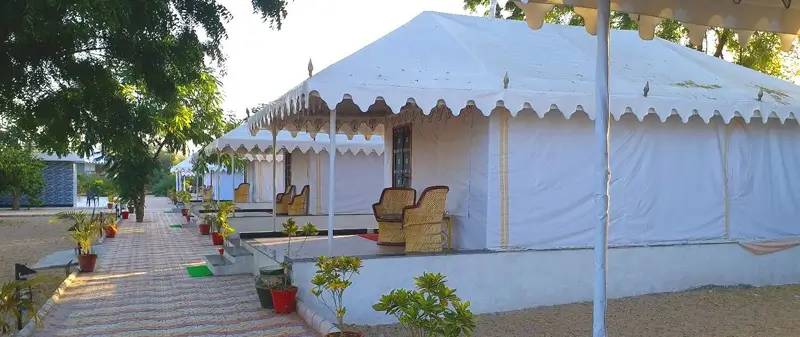
The architecture of many Luxury Resorts in Jawai is also designed specifically to blend with the natural landscape instead of dominating it. This often involves customized construction techniques, low density layouts, environmentally sensitive planning, and premium materials suited to harsh climate conditions. Creating spacious luxury tents, private villas, outdoor lounges, and scenic wilderness settings requires considerably higher investment than building conventional hotel structures.
Water management represents another major operational challenge in Rajasthan’s dry climate. Maintaining guest comfort, landscaping, hygiene standards, and hospitality operations within semi-arid environments requires carefully managed water systems and sustainable resource planning.
Electricity infrastructure can also become more complex in remote safari locations. Luxury properties must maintain uninterrupted guest comfort despite operating away from major urban support systems. Backup power systems, transportation logistics, refrigeration, communication systems, and staff accommodation all increase operational cost.
Staffing in remote wilderness destinations is another important factor. High quality luxury hospitality requires trained chefs, safari experts, housekeeping teams, drivers, guides, and guest service professionals capable of operating within isolated environments. Maintaining consistent service standards in such locations naturally increases expenses.
Unlike large commercial hotels capable of spreading costs across hundreds of rooms, many Jawai luxury resorts intentionally maintain fewer accommodations to preserve exclusivity and environmental atmosphere. Smaller guest capacity means operational costs are distributed across fewer bookings, which directly influences pricing.
Guests staying at Luxury Wildlife Resorts in Jawai Rajasthan often appreciate this exclusivity once they experience the destination. Open landscapes, silence, privacy, personalized hospitality, and low guest density create emotional luxury difficult to achieve in crowded tourism environments.
The pricing of Jawai luxury stays reflects the complexity of creating comfort within wilderness rather than within urban infrastructure.
Modern luxury travel has changed dramatically over recent years. Travelers increasingly value privacy, emotional calmness, personalized service, and environmental exclusivity more than crowded luxury environments filled with excessive activity. Jawai perfectly fits this new luxury mindset, which is one reason why the destination has become highly attractive among premium travelers.
Unlike mainstream tourism cities where large hotels accommodate massive guest volumes, Jawai focuses heavily on low density hospitality experiences. Guests staying at Luxury Leopard Safari Resorts in Jawai often enjoy wide open spaces, peaceful surroundings, private dining setups, and personalized safari schedules without overcrowding.
This exclusivity significantly affects pricing because the hospitality model itself limits guest numbers intentionally. A resort operating with only a small number of luxury tents or villas cannot rely on volume based revenue systems like large commercial hotels. Instead, the experience itself becomes more curated and individualized.
Privacy has become one of the most valuable aspects of luxury travel globally. International travelers, honeymoon couples, celebrities, wildlife photographers, and wellness focused guests increasingly search for destinations where they can disconnect from urban pressure and crowded tourism environments.
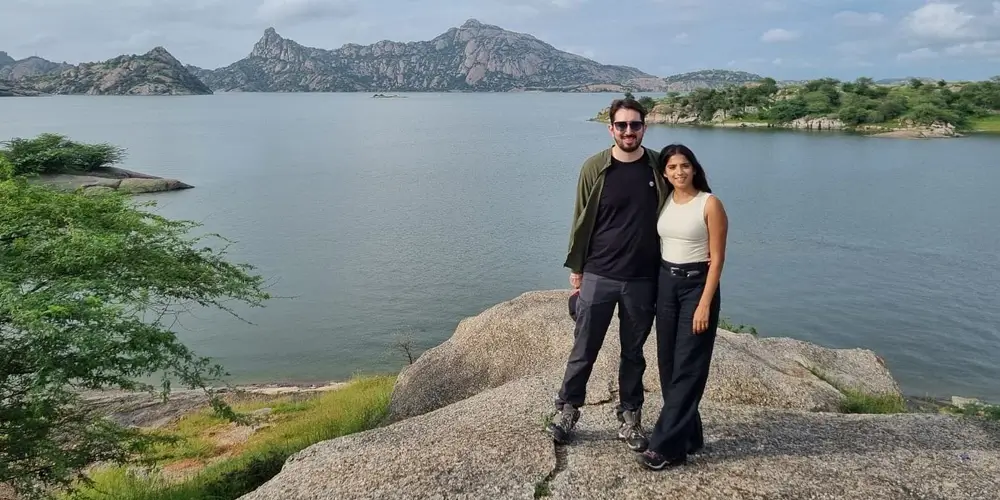
Jawai offers this atmosphere naturally. Granite hills, open wilderness, wildlife landscapes, and quiet evenings under the stars create emotional isolation from modern city life. Travelers are not paying only for accommodation; they are paying for access to silence, space, and environmental exclusivity.
Another important aspect involves personalized guest experiences. Many luxury stays in Jawai arrange private safari drives, customized meals, outdoor dining experiences, cultural interaction, birdwatching tours, and flexible activity schedules based on guest preferences. This level of individual attention requires significantly more staffing and operational flexibility compared to standardized hospitality systems.
Travelers often describe Jawai luxury experiences as emotionally immersive rather than transactional. Staff interaction tends to feel more personal because smaller properties create closer guest relationships and customized service structures.
The absence of mass tourism also contributes strongly to Jawai’s premium identity. Many travelers willingly pay higher prices specifically to avoid overcrowded destinations and highly commercialized safari circuits.
For luxury travelers, exclusivity itself becomes part of the experience and Jawai delivers this exceptionally well.
.webp)
The growing global popularity of Leopard Safari in Jawai Rajasthan has significantly influenced the pricing structure of luxury hospitality throughout the region. Jawai is internationally recognized as one of India’s best destinations for leopard sightings, attracting photographers, filmmakers, wildlife enthusiasts, and luxury safari travelers from around the world.
Safari tourism naturally involves higher operational costs compared to standard sightseeing tourism. Professional guides, trained drivers, customized safari vehicles, fuel expenses, route permissions, wildlife tracking expertise, and guest coordination all contribute to the overall cost structure of the destination.
Unlike crowded safari parks operating through highly regulated tourism systems, Jawai safaris often feel more private and personalized. Guests staying at luxury properties usually expect high quality wildlife experiences with knowledgeable naturalists capable of explaining animal behavior, terrain, local culture, and ecosystem dynamics.
The safari atmosphere itself also differs from conventional wildlife tourism. Jawai’s granite landscapes create cinematic experiences where travelers observe leopards moving naturally across rocky hills instead of dense forest zones. This visual uniqueness strongly increases international demand.
Photography tourism has become especially influential in Jawai’s luxury market. Wildlife photographers frequently choose the destination because the terrain allows extraordinary opportunities for photographing leopards against dramatic granite backdrops during sunrise and sunset. Many photographers prefer staying longer in the region, increasing demand for premium accommodation.
International luxury travel companies now regularly include Jawai within high end Rajasthan itineraries alongside destinations such as Udaipur, Jodhpur, and Ranthambore. This global positioning further strengthened the premium image of Jawai safari hospitality.
Another important factor involves seasonal demand. During peak travel months, limited luxury accommodation combined with increasing international interest naturally pushes prices higher. Since many resorts maintain intentionally low room inventory, availability becomes extremely limited during popular wildlife seasons.
Guests staying at Luxury Resorts in Jawai Rajasthan are often paying not only for rooms but for access to one of India’s most exclusive wildlife experiences integrated with luxury hospitality and peaceful wilderness surroundings.
One reason travelers sometimes misunderstand Jawai pricing is because they compare the destination only through conventional hotel standards. In reality, Jawai operates within a completely different category of luxury travel focused on emotional atmosphere rather than urban convenience alone.
Modern luxury travelers increasingly seek destinations where they can disconnect from stress, crowds, digital overload, and fast moving urban routines. Jawai’s greatest luxury is often not visible through photographs alone it is the emotional atmosphere created by silence, wilderness, open landscapes, and environmental calmness.
Guests staying at Luxury Wildlife Resorts in Jawai frequently describe the destination as mentally relaxing. Even simple experiences such as watching sunrise across granite hills, sitting quietly near wilderness landscapes, or enjoying dinner under open skies become emotionally memorable.
The feeling of space itself has become a luxury in modern tourism. Many urban hotels operate within crowded environments surrounded by traffic, commercial activity, and constant noise. Jawai offers the opposite experience privacy, silence, slow movement, and direct connection with nature.
This emotional exclusivity strongly appeals to international travelers searching for meaningful experiences rather than only physical luxury. Couples, wellness travelers, photographers, and nature enthusiasts often prioritize atmosphere over traditional luxury indicators such as shopping districts or nightlife access.
The landscape of Jawai also contributes to emotional value. Granite hills, open wilderness, migratory birds, village movement, and wildlife coexistence create scenery that feels authentic and untouched. Travelers often leave Jawai remembering how the destination felt emotionally rather than only how it looked visually.
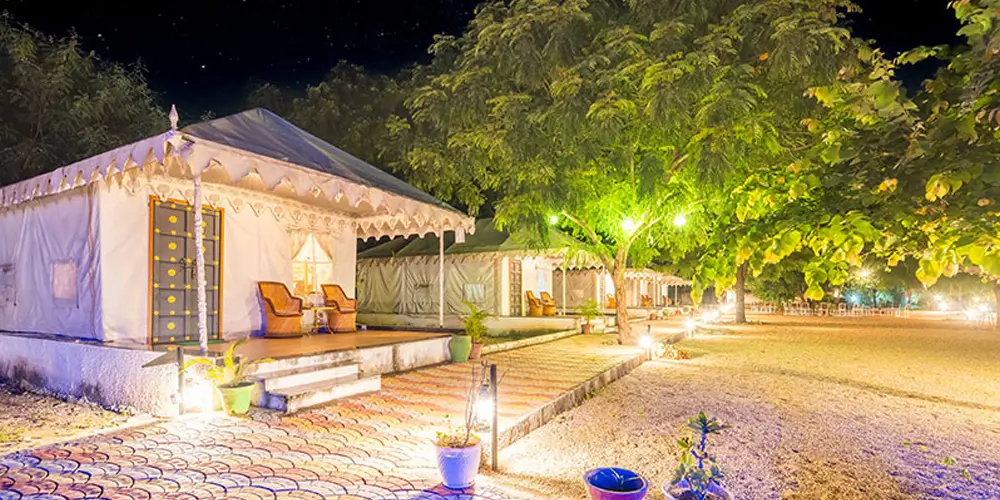
Luxury hospitality in Jawai increasingly focuses on these emotional experiences through private dining setups, nature walks, sunset viewpoints, outdoor lounges, wellness experiences, and personalized guest interaction.
Many travelers eventually realize they are not paying only for accommodation. They are paying for emotional access to one of Rajasthan’s most peaceful wilderness environments.
Stay surrounded by Jawai's iconic granite hills and enjoy curated leopard safaris, refined comfort, and authentic experiences designed for discerning travelers.
The future of Jawai as a luxury destination appears strongly connected with global travel trends favoring exclusivity, authenticity, and experiential tourism. Modern travelers increasingly search for destinations offering meaningful environmental connection rather than crowded sightseeing alone.
Jawai’s identity as a premium destination is strengthened by several rare qualities existing together within one region leopard safaris, granite landscapes, luxury hospitality, village culture, birdlife, silence, and low density tourism.
Unlike many wildlife destinations that eventually become over commercialized, Jawai still maintains an atmosphere of discovery and privacy. Travelers often feel they are experiencing something less mainstream and more personal compared to conventional luxury tourism circuits.
The region also appeals strongly to international luxury travel markets because it combines wilderness experiences with comfort and exclusivity. Guests can enjoy private safari drives, personalized hospitality, luxury accommodation, and emotional calmness within the same journey.
Responsible tourism will remain essential for preserving Jawai’s premium identity. Overdevelopment and excessive commercialization could easily damage the peaceful atmosphere currently attracting global travelers. Sustainable hospitality practices and controlled tourism growth are critical for maintaining long term exclusivity.
Guests staying at Jawai Nature Stay often understand the value of the destination more deeply after experiencing the environment itself. The pricing reflects far more than physical accommodation. It reflects exclusivity, wilderness atmosphere, wildlife access, emotional calmness, and one of India’s most unique luxury safari ecosystems.
Luxury in Jawai ultimately comes from rarity and truly rare destinations naturally command higher value.
Jawai luxury focuses on exclusivity, silence, wilderness atmosphere, personalized experiences, and emotional connection with nature.
Yes, safari operations, trained guides, wildlife tracking, and international demand strongly influence pricing in the region.
Yes, Jawai is highly popular among couples because of its privacy, peaceful atmosphere, and romantic wilderness surroundings.
Wildlife photographers, luxury travelers, honeymoon couples, filmmakers, and international tourists commonly visit Jawai.
Remote geography, infrastructure challenges, water management, transportation, and low-density construction increase development costs.
Yes, Jawai offers quieter safari experiences, lower tourist density, and more private wilderness environments.
Yes, many luxury resorts in Jawai provide customized and private leopard safari experiences for guests.
International travelers prefer Jawai for privacy, leopard safaris, peaceful landscapes, and authentic luxury wilderness experiences.
Yes, Jawai is internationally recognized as a premium luxury wildlife and leopard safari destination in Rajasthan.
Luxury resorts in Jawai are expensive because of exclusive locations, remote wilderness operations, personalized hospitality, and premium safari experiences.
Planning to visit Jawai? Need help with your stay or safari?
Get free, expert assistance from our team — no pressure, just honest guidance.
Any query? Write us mail.
info@jawainaturestay.com
Call to Inquire (08:00 - 20:00 hrs)
+91 9257995999
Talk to Experts
Whatsapp