
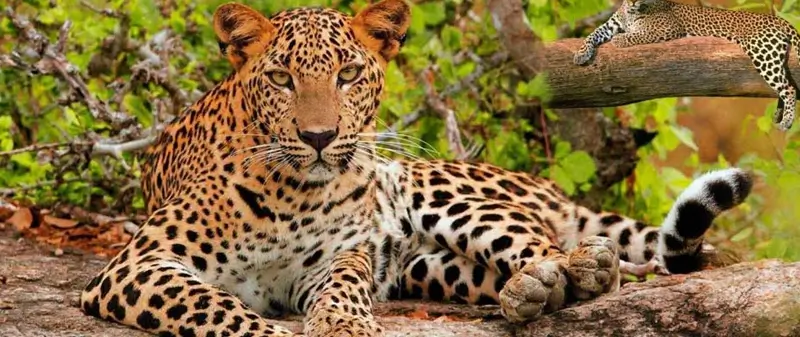
For decades, international wildlife tourism in India was dominated by famous tiger reserves, royal heritage cities, Himalayan landscapes, and large national parks. Destinations such as Ranthambore, Bandhavgarh, Jim Corbett, and Kaziranga became globally recognized names among safari travelers and wildlife photographers. In recent years, however, another destination has quietly started attracting growing international attention Jawai Rajasthan. Hidden between granite hills, wilderness landscapes, rural villages, and leopard territory, Jawai has emerged as one of India’s most fascinating wildlife regions for travelers searching for exclusivity, authenticity, and emotionally immersive safari experiences.
Unlike heavily commercialized tourism circuits, Jawai still feels raw, peaceful, and naturally connected with the environment. Travelers visiting the region quickly realize that the appeal of Jawai extends far beyond simple wildlife sightings. The destination combines dramatic granite landscapes, free moving leopards, luxury wilderness hospitality, village culture, migratory birds, and open silence into one deeply memorable experience.
One of the strongest reasons international travelers are increasingly choosing Jawai is because modern luxury tourism has changed significantly. Travelers today are no longer searching only for checklist sightseeing or crowded safari parks. Instead, they want emotional connection, personalized experiences, environmental authenticity, and slower forms of travel that allow meaningful interaction with landscapes and local culture. Jawai perfectly fits this new direction in global luxury travel.
Guests staying at Luxury Resorts in Jawai Rajasthan often describe the destination as peaceful and emotionally calming compared to mainstream tourism environments. There are no crowded city streets, noisy commercial attractions, or aggressive tourist systems dominating the experience. Instead, visitors spend time observing granite hills during sunrise, tracking leopards across rocky landscapes, walking through wilderness trails, and enjoying evenings beneath open desert skies.
Another important reason Jawai attracts global attention is because of its unusual wildlife atmosphere. Leopards in the region live within a shared landscape where local communities, grazing lands, temples, and wilderness ecosystems continue existing together. This coexistence creates a safari experience very different from traditional national parks where wildlife remains isolated from human environments.
International wildlife photographers especially admire Jawai because the terrain creates extraordinary visual opportunities. Leopards photographed against ancient granite formations have become iconic wildlife images associated with Rajasthan tourism. The open landscape also allows more natural observation compared to dense forest environments where sightings can feel rushed or uncertain.
Luxury hospitality has further strengthened Jawai’s reputation globally. The region now attracts honeymoon travelers, wildlife filmmakers, documentary teams, birdwatchers, conservation enthusiasts, and high end experiential travelers looking for exclusive wilderness stays integrated with authentic environmental surroundings.
Jawai today represents a new kind of Indian wildlife tourism one built around atmosphere, emotional connection, coexistence, and slow luxury travel.
Experience the rare combination of wild leopards, untouched landscapes, and authentic local culture that has made Jawai one of India's most sought after wildlife destinations for international travelers.
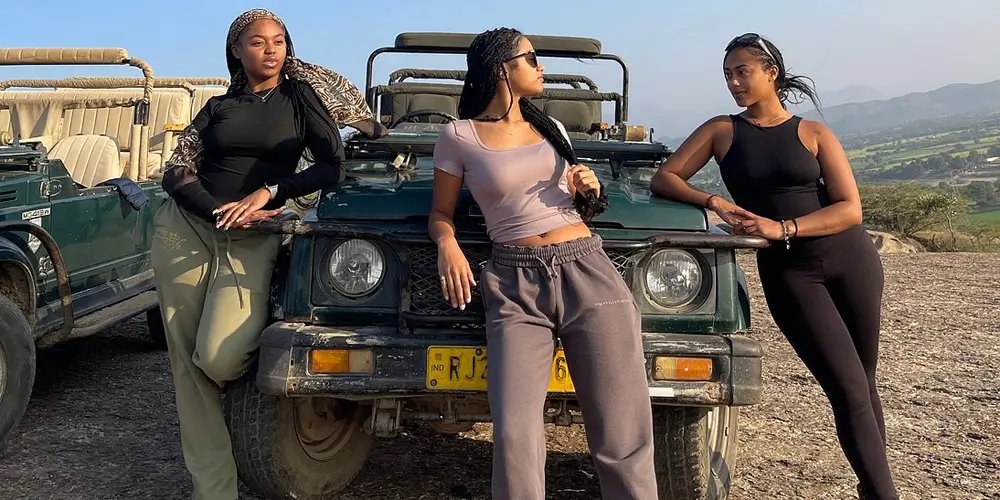
Modern international travelers increasingly prefer destinations that feel authentic rather than overly commercialized. Many famous safari parks around the world now struggle with overcrowding, excessive vehicle movement, noisy tourism systems, and highly structured wildlife experiences. Travelers searching for peace, exclusivity, and emotional immersion often feel disconnected within these mass tourism environments.
Jawai offers a completely different atmosphere. The destination still feels relatively undiscovered compared to India’s mainstream wildlife circuits. Granite hills stretch across open wilderness instead of heavily urbanized tourism zones, while safari experiences remain quieter and more intimate.
Guests staying at Luxury Wildlife Resorts in Jawai often appreciate the slower pace of the region. Travelers are not rushed between crowded sightseeing locations or large tourist groups. Instead, they experience nature through carefully guided safaris, landscape exploration, village interaction, birdwatching, and peaceful luxury hospitality.
Another reason international travelers connect emotionally with Jawai is because the environment feels genuine rather than artificially created for tourism. Local villages continue functioning naturally, livestock routes cross wildlife landscapes, and predators move freely through granite terrain. Visitors witness a living ecosystem rather than a controlled safari attraction.
Luxury travelers today increasingly value privacy and exclusivity. Jawai naturally supports these expectations because most properties maintain smaller guest capacities compared to large city hotels or commercial safari lodges. This low density tourism atmosphere creates stronger emotional connection with the environment.
International travelers also appreciate the sense of discovery associated with Jawai. Visiting a destination that still feels less crowded and less globally mainstream creates stronger personal travel memories. Many travelers describe Jawai as one of the most surprising and emotionally rewarding parts of their India journey.
The region’s silence also contributes significantly to its international appeal. Travelers arriving from busy metropolitan environments often find Jawai emotionally refreshing because the landscape encourages calmness, observation, and slower movement.
This shift toward quieter, more meaningful travel experiences strongly explains why Jawai is becoming increasingly popular among international wildlife travelers.
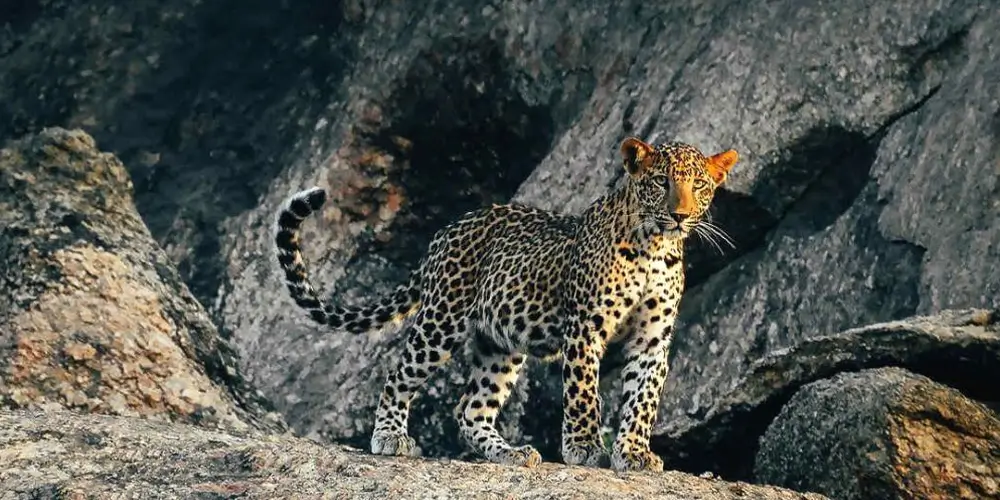
The growing international popularity of Leopard Safari in Jawai Rajasthan is closely connected with how unique the safari atmosphere feels compared to traditional wildlife tourism. Most travelers visiting India associate safaris primarily with tiger reserves located inside dense forests. Jawai introduces a completely different visual and emotional experience.
The region’s granite landscape creates open visibility where leopards move naturally across rocky hills, caves, valleys, and elevated ridges. Unlike forest safaris where wildlife often appears briefly through dense vegetation, Jawai allows travelers to observe predator behavior within dramatic open terrain.
Guests staying at Luxury Leopard Safari Resorts in Jawai frequently describe the experience as calmer and more intimate than crowded tiger reserves. Instead of dozens of vehicles competing for sightings, Jawai safaris generally maintain a quieter atmosphere where guides focus on observation, tracking, and understanding the environment itself.
The leopards of Jawai are also internationally fascinating because of their coexistence with local communities. Villages, temples, grazing lands, and wildlife territories overlap throughout the region, creating one of India’s most unusual predator human coexistence landscapes. International travelers often become deeply interested in this relationship because it challenges common assumptions about wildlife conservation.
Photography tourism has played a major role in increasing Jawai’s international visibility. Images of leopards resting on granite formations during sunrise or sunset have become globally recognizable symbols of Rajasthan wildlife tourism. The terrain naturally creates cinematic visual compositions highly valued by photographers and filmmakers.
Another reason safari experiences feel different in Jawai is the emotional atmosphere surrounding them. Travelers spend time appreciating landscapes, silence, and environmental textures instead of focusing only on checklist sightings. Even when wildlife movement remains distant, the wilderness itself feels emotionally engaging.
International travelers increasingly search for safari experiences where nature still feels unpredictable and authentic rather than heavily structured around tourism schedules. Jawai succeeds because the destination maintains this rawness and spontaneity.
The safari experience here ultimately feels less like entertainment and more like entering a living wilderness landscape.
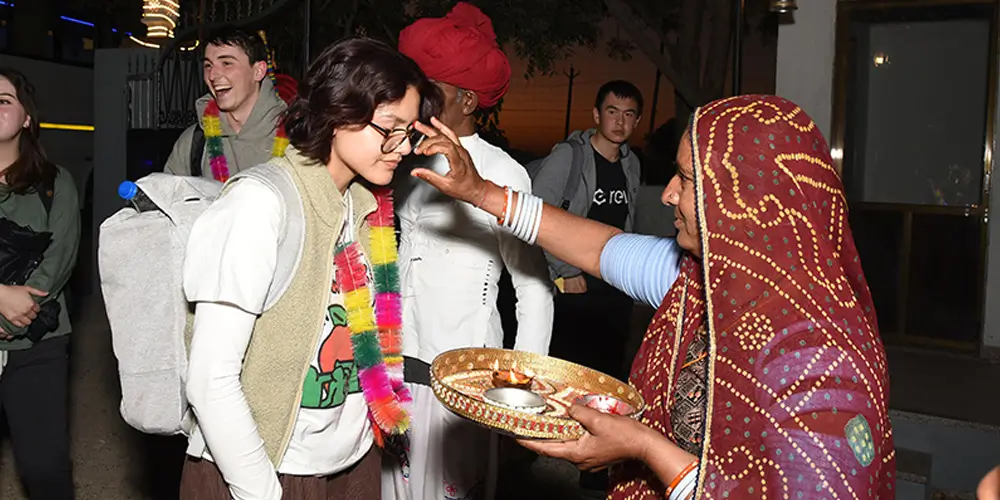
One of the strongest reasons Jawai attracts international travelers is the combination of wilderness and luxury hospitality. Modern luxury tourism increasingly focuses on emotional atmosphere, environmental connection, and personalized experiences rather than excessive urban luxury alone.
Guests staying at Luxury Resorts in Jawai Rajasthan often experience a completely different type of hospitality compared to city hotels. The environment itself becomes central to the luxury experience. Open skies, granite hills, private wilderness views, outdoor dining setups, and peaceful evenings create emotional exclusivity difficult to replicate within urban destinations.
International honeymoon travelers especially appreciate Jawai because the region combines romance, privacy, and adventure within one journey. Couples can enjoy leopard safaris, sunset drives, luxury tents, nature walks, and private dinners surrounded by wilderness landscapes.
The boutique scale of many Jawai properties also appeals strongly to luxury travelers. Smaller resorts allow more personalized service, flexible itineraries, and stronger guest interaction compared to massive commercial hotels. Travelers increasingly value this individualized hospitality approach.
Another important factor involves digital disconnection and wellness oriented travel. Many international guests visit Jawai specifically to escape crowded cities, busy schedules, and constant digital stimulation. The silence and openness of the landscape naturally support emotional relaxation.
Luxury travel today increasingly revolves around storytelling and memory creation. Jawai’s combination of wildlife, village culture, granite landscapes, and environmental authenticity creates deeply memorable experiences that travelers continue discussing long after returning home.
Food experiences also contribute to the luxury appeal of Jawai. Many wilderness stays focus on outdoor dining, regional cuisine, private setups, and slow dining experiences connected with the natural surroundings.
Travelers often describe Jawai luxury not as excessive glamour but as emotional richness created through space, silence, privacy, and environmental immersion.
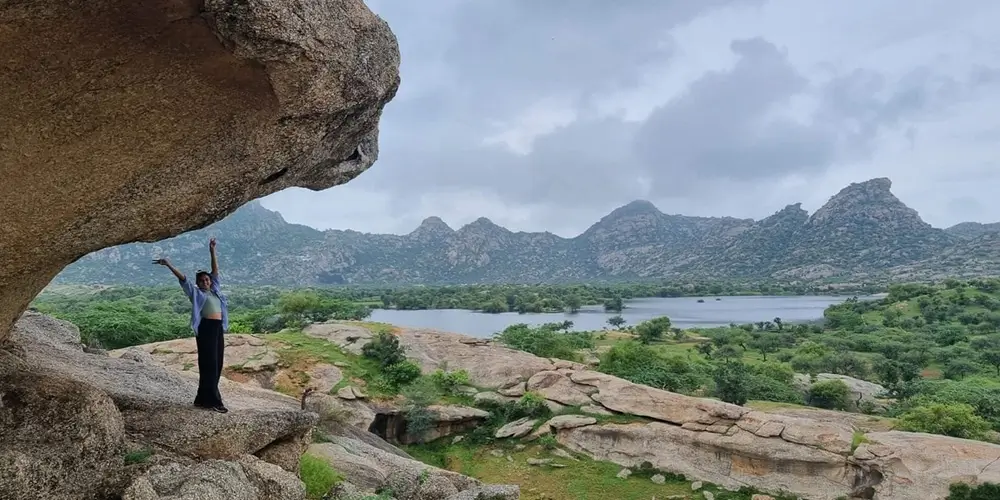
The rise of wildlife photography, cinematic travel content, and social media storytelling significantly contributed to Jawai’s growing international popularity. Modern travelers increasingly discover destinations visually before planning actual visits, and Jawai’s landscapes photograph exceptionally well.
Granite hills, leopards, open skies, luxury safari camps, migratory birds, and rural Rajasthan landscapes together create imagery that feels dramatic and emotionally powerful. Wildlife photographers from around the world now regularly visit Jawai because the region offers highly distinctive visual opportunities compared to traditional forest safari destinations.
Guests staying at Luxury Wildlife Resorts in Jawai Rajasthan frequently capture photographs that appear almost cinematic because of the natural terrain and lighting conditions. Sunrise and sunset especially transform the landscape into extraordinary photographic environments.
Documentary filmmakers and luxury travel media also played a major role in introducing Jawai to international audiences. Wildlife coexistence stories involving villagers and leopards attracted global interest because such relationships remain rare worldwide.
Luxury travel influencers increasingly promote Jawai as an exclusive alternative to mainstream safari circuits. Travelers searching for less crowded wildlife destinations often discover the region through visual storytelling shared online.
Birdwatching tourism has also contributed to international awareness. The ecosystem surrounding Jawai Dam attracts migratory birds and creates additional opportunities for nature photography and wilderness exploration.
The emotional atmosphere of Jawai photographs especially well because the region still feels authentic and naturally textured. Images captured here often communicate silence, wilderness, and environmental calmness rather than commercial tourism activity.
Social media visibility ultimately helped transform Jawai from a relatively unknown wilderness region into an internationally recognized luxury wildlife destination.
Escape crowded national parks and explore Jawai through intimate leopard safaris, breathtaking granite hills, and meaningful encounters with nature.
The growing international popularity of Jawai reflects broader changes happening across global luxury tourism. Travelers increasingly seek destinations where authenticity, environmental connection, and emotional atmosphere matter more than large scale commercial tourism.
Jawai naturally supports these values. The destination combines wildlife, wilderness, village culture, luxury hospitality, and peaceful landscapes without losing its raw environmental identity. This balance has become increasingly rare in modern tourism.
International travelers often describe Jawai as emotionally different from traditional safari destinations. The region feels slower, quieter, and more reflective. Guests spend time observing landscapes, understanding coexistence stories, and experiencing nature rather than simply rushing between attractions.
Responsible tourism will remain essential for preserving Jawai’s future appeal. Overdevelopment and excessive commercialization could easily damage the exclusivity and environmental atmosphere currently attracting global travelers. Sustainable luxury hospitality and controlled tourism growth are therefore critical.
The coexistence between local communities and wildlife also gives Jawai deeper cultural importance within global conservation discussions. Travelers increasingly value destinations where conservation involves local participation and environmental balance rather than isolated tourism systems alone.
Guests staying at Jawai Nature Stay often leave with memories extending far beyond safari sightings. They remember granite hills glowing during sunset, silence surrounding wilderness landscapes, village movement across rocky terrain, and the emotional calmness created by the environment itself.
Jawai represents a modern form of luxury wildlife travel where atmosphere, authenticity, and emotional connection define the experience more strongly than tourism scale alone.
The combination of leopards, granite hills, silence, luxury hospitality, and emotional wilderness atmosphere makes Jawai highly memorable.
Jawai offers a unique combination of wilderness, luxury travel, wildlife coexistence, and authentic landscapes.
Travelers may also see crocodiles, migratory birds, hyenas, foxes, nilgai, and various smaller wildlife species.
No, Jawai safaris generally feel quieter and more intimate compared to heavily commercialized wildlife parks.
Couples prefer Jawai for its peaceful atmosphere, romantic wilderness settings, luxury stays, and exclusive experiences.
Yes, Jawai is highly popular among luxury travelers searching for privacy, wilderness, and personalized safari experiences.
Photographers visit for dramatic granite landscapes, leopard sightings, migratory birds, and cinematic lighting conditions.
Yes, Jawai is globally recognized for leopard photography and luxury wildlife safari experiences.
Jawai combines granite hills, leopard coexistence, luxury hospitality, and quieter safari experiences compared to crowded national parks.
Jawai offers luxury leopard safaris, peaceful wilderness landscapes, authentic village culture, and exclusive nature experiences.
Planning to visit Jawai? Need help with your stay or safari?
Get free, expert assistance from our team — no pressure, just honest guidance.
Any query? Write us mail.
info@jawainaturestay.com
Call to Inquire (08:00 - 20:00 hrs)
+91 9257995999
Talk to Experts
Whatsapp