
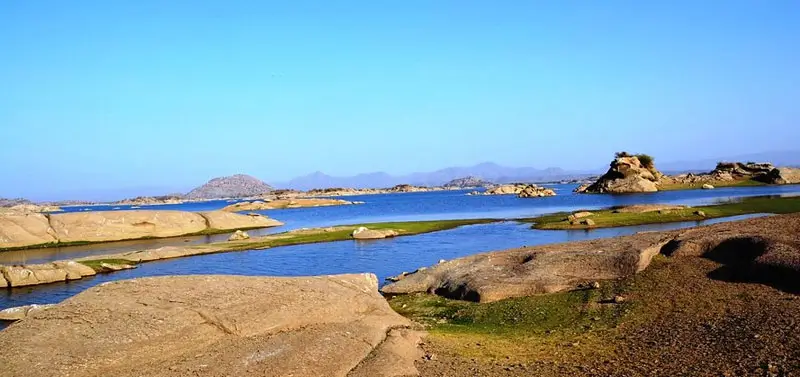
Jawai may be world-famous for its leopard safaris, but its beauty doesn’t end with big-cat sightings. The region, nestled between Udaipur and Jodhpur, holds a landscape dotted with granite cliffs, serene lakes, ancient temples, tribal hamlets, and hidden valleys that few travelers ever reach.
Beyond the thrill of wildlife photography lies an entire world of calm, color, and culture waiting to be explored.
Whether you are a nature lover, photographer, or someone seeking solitude, hidden places around Jawai Hills reveal the quieter side of Rajasthan — untouched, authentic, and deeply soulful.
The Aravalli range forms the backdrop of Jawai’s identity. These age-old hills rise dramatically over flatlands, creating a scenery unlike any other. At sunrise, the granite boulders glow golden; by evening, they turn violet under the setting sun. Between them lie rivers, tribal paths, and ancient shrines that speak of Rajasthan’s spiritual depth.
This wilderness, free from commercial crowds, allows travelers to connect deeply with the land. The rhythm of herders’ bells, the call of peacocks, and the reflection of clouds in Jawai Bandh turn each moment into poetry.
Let’s walk through some of the most fascinating offbeat corners that define the real Jawai.
The Jawai Dam, also called Jawai Bandh, is the heartbeat of this region. Built in 1957, this massive water reservoir nurtures both wildlife and local life. At dawn, mist covers the water while hundreds of migratory birds arrive — flamingos, storks, pelicans, and cranes painting the sky.
For photographers, the calm surface of Jawai Bandh offers dream reflections — of hills, birds, and boats gliding silently. In the evenings, crocodiles can be seen basking on the banks, completing the circle of wilderness.
A visit during sunrise or sunset here becomes a meditation — a perfect place to pause after a long safari.
Few places capture Jawai’s essence better than Dev Giri Temple, located inside a rocky cave where leopards are often spotted near the deity. The temple, dedicated to Lord Shiva, is accessed by a steep staircase carved into the granite cliffs.
At dawn, when bells ring and incense rises through the cave, you may notice a leopard resting quietly on nearby rocks — a sight that perfectly symbolizes coexistence. Villagers worship here without fear, proving how deeply faith and nature are woven together in Jawai Hills.
A short drive from Bera village leads to Kambeshwar Mahadev Temple, another spiritual site surrounded by thick forest and massive boulders. The panoramic view from the top is breathtaking — green fields stretching endlessly under blue skies.
It’s a favorite picnic and photography point for those who wish to experience the spiritual calm of Rajasthan’s countryside. During the annual fair in August, the temple turns into a lively celebration filled with music, color, and community spirit.
Bera is the most charming part of Jawai. It’s home to the Rabari tribe, whose members have lived here for centuries as herders and nomads. Their distinctive red turbans and white robes add vibrancy to the rugged terrain.
A village walk in Bera reveals the pulse of local life — women milking goats, children herding sheep, and elders sitting under banyan trees telling stories of the hills. The hospitality is genuine; you’ll often be invited for tea made over a wood fire.
Cultural travelers love photographing this community’s daily life, while others simply enjoy the warmth of human connection that modern cities often miss.
While leopards rule the hills, crocodiles reign in the waters. Jawai Crocodile Point near the dam is where travelers can spot these massive reptiles basking lazily on the banks. Early mornings and late afternoons are the best times to see them.
Birdwatchers can combine this visit with a boating session on Jawai Dam, where flamingos and bar-headed geese often glide alongside. It’s a reminder that Jawai’s wildlife is diverse — not just about leopards, but also about the delicate ecosystem that supports them.
A short drive from Bera takes you to Perwa and Sena, small villages hidden amid rocky landscapes. These places remain untouched by tourism, offering raw countryside experiences.
Walking through mud lanes, you’ll witness authentic rural Rajasthan — hand-painted homes, traditional cattle shelters, and women drawing water from wells. The surrounding hills are also known for occasional leopard sightings, adding excitement to your visit.
For travelers who crave authenticity, these villages are living museums of simplicity and coexistence.
The Jawai Hills viewpoint, near the forest edge, offers panoramic views of the entire valley. Watching sunrise from here is pure magic — golden light spilling over cliffs, birds circling the dam, and mist weaving between rocks.
It’s also a popular yoga and meditation spot. Many eco-lodges arrange early morning sessions here followed by breakfast picnics. The stillness of the surroundings makes it one of the most peaceful corners of Rajasthan.
Planning a trip? Contact us for details or bookings.
Lesser known yet deeply spiritual, Abhinaveshwar Mahadev Temple lies amidst the rugged countryside near the Jawai Dam road. Surrounded by peepal trees and monkeys, it’s a serene retreat for those seeking solitude and spiritual reflection.
The temple’s architecture is simple, built with local stone, and the area around it offers incredible photography opportunities — ancient trees casting shadows over weathered walls, with occasional peacocks adding color to the scene.
Just a two-hour scenic drive from Jawai takes you to the Kumbhalgarh Fort, a UNESCO World Heritage site. Known as the birthplace of Maharana Pratap, it boasts the second-longest continuous wall in the world after the Great Wall of China.
Its hilltop location offers jaw-dropping views of the Aravalli range. Travelers often pair their Jawai trip with a half-day excursion here, combining history with wildlife. The route from Jawai to Kumbhalgarh passes through rustic villages and forested roads, perfect for photographers seeking authentic Rajasthan.
When the sun sets behind the Aravalli hills, Jawai transforms into a dreamscape. The soft glow on the rocks, the reflection over Jawai Bandh, and the call of distant birds create a surreal silence.
After sunset, the sky turns into a celestial painting. With zero light pollution, stargazing in Jawai is magical — millions of stars sparkle clearly, and constellations appear so close you can almost touch them.
Many luxury camps arrange private sundowner setups or open-air dinners under the stars, making it one of the most romantic experiences in Rajasthan.
What truly makes these hidden spots special is the pace they invite you to adopt. There’s no rush, no crowd, no checklist — only moments to live deeply. You can spend hours watching farmers at work, birds gliding above the dam, or children waving as your jeep passes by.
Slow travel in Jawai teaches patience, presence, and peace — the real luxuries modern travelers crave.
Yes, most areas are open throughout the year, but the best time to explore is from October to April.
Some places like Bera Village and Jawai Bandh are easily reachable by car, while hilltop temples may need a jeep.
Yes, most eco-resorts and camps collaborate with local Rabari guides who lead authentic experiences.
Absolutely safe when accompanied by local guides who understand animal behavior and timing.
No, most are free to visit though small donations are appreciated.
Drone usage near wildlife zones is restricted; seek prior permission from your resort or authorities.
At least two additional days beyond safari schedules to enjoy hidden attractions comfortably.
Yes, many luxury and eco-lodges arrange curated tours covering temples, villages, and nature points.
Designated picnic areas exist, but avoid feeding wildlife or leaving waste behind.
Its untouched beauty, minimal tourism, coexistence of wildlife and people, and a landscape that feels raw yet deeply peaceful.
Planning to visit Jawai? Need help with your stay or safari?
Get free, expert assistance from our team — no pressure, just honest guidance.
Any query? Write us mail.
info@jawainaturestay.com
Call to Inquire (08:00 - 20:00 hrs)
+91 9257995999
Talk to Experts
Whatsapp