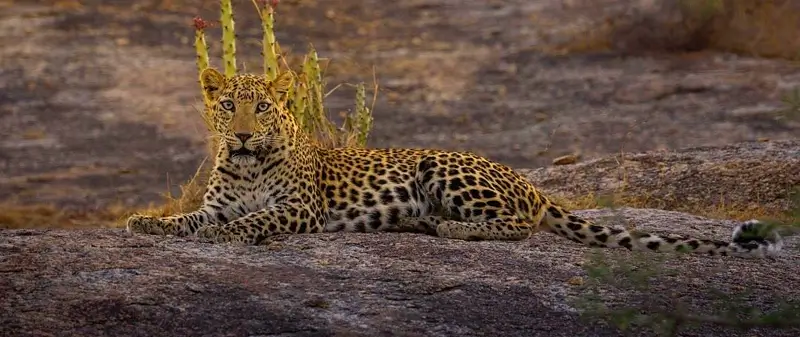
Today, Jawai Rajasthan is internationally recognized as one of India’s most unique luxury wildlife destinations. Travelers from around the world visit the region for leopard safaris, granite landscapes, peaceful wilderness stays, and authentic rural surroundings. Luxury travel companies now include Jawai within premium Rajasthan itineraries alongside cities such as Udaipur and Jodhpur. Wildlife photographers, filmmakers, celebrities, honeymoon travelers, and international safari enthusiasts increasingly consider Jawai an important part of luxury travel in India.
However, the region was not always known globally. Before luxury wildlife tourism began growing in Jawai, the area remained relatively quiet compared to mainstream tourism circuits in Rajasthan. The granite hills, leopards, villages, and wilderness landscapes already existed, but international visibility remained limited. Few travelers outside wildlife circles knew about the region or understood the extraordinary coexistence between leopards and local communities.
Over time, this situation gradually changed, and one of the most influential names connected with Jawai’s rise as a luxury wildlife destination has undoubtedly been SUJÁN Jawai. Through high end safari hospitality, global travel exposure, conservation focused storytelling, and luxury wilderness branding, the property played a major role in introducing Jawai to international luxury travelers and wildlife tourism markets.
The impact of luxury safari hospitality in Jawai went beyond accommodation alone. It changed how international travelers perceived the region itself. Instead of being viewed only as a remote rural landscape in Rajasthan, Jawai gradually became associated with exclusivity, leopard safaris, conservation inspired luxury travel, and cinematic wilderness experiences.
Guests staying at Luxury Resorts in Jawai Rajasthan today benefit from the global awareness created over years of luxury wildlife promotion and storytelling. International media coverage, celebrity visits, wildlife photography, and luxury travel publications helped transform Jawai into a destination recognized far beyond India.
One of the most remarkable aspects of this transformation is that Jawai’s core identity remained deeply connected with its natural landscape. Granite hills, leopard habitats, Rabari villages, migratory birds, and peaceful wilderness surroundings continued defining the region’s atmosphere even as international tourism increased.
Modern travelers visiting Jawai often feel surprised that such a visually dramatic and emotionally powerful destination remained relatively unknown for so long. The rise of luxury wildlife tourism helped reveal the hidden beauty of the region to the wider world.
The story of Jawai’s growth is therefore not only about tourism expansion. It is also about how luxury hospitality, wildlife storytelling, photography, and global travel culture transformed a quiet wilderness landscape into one of India’s most talked about safari destinations.
Explore Jawai through exclusive wildlife experiences, breathtaking landscapes, and personalized hospitality that continue to attract luxury travelers from across the globe.
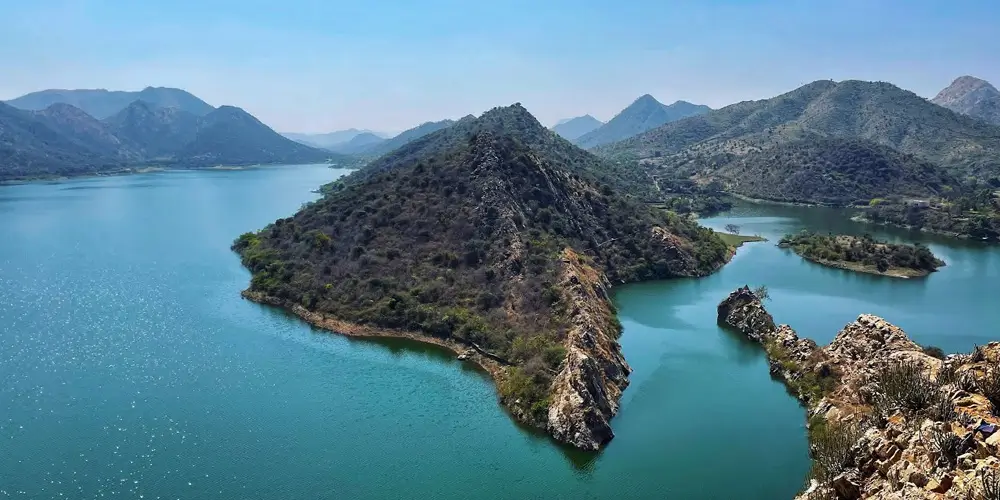
Before luxury wildlife tourism began attracting global attention, Jawai remained largely known only within regional circles and among local communities living around the granite hills. The area was always ecologically unique because of its leopard population, rugged terrain, and coexistence between wildlife and villagers, yet these characteristics were not widely recognized internationally.
Travel infrastructure in the region remained limited compared to major tourism cities in Rajasthan. International travelers visiting India usually focused on destinations such as Jaipur, Udaipur, Jodhpur, Ranthambore, or Kerala. Jawai rarely appeared within mainstream travel itineraries.
The granite landscape itself remained mostly untouched by large-scale tourism development. Villages continued traditional pastoral lifestyles, shepherds moved livestock across rocky terrain, and leopards quietly inhabited caves and hills surrounding the region. Wildlife photographers occasionally visited the area, but Jawai had not yet developed a global tourism identity.
One reason Jawai remained relatively hidden was because the region did not fit conventional tourism expectations associated with Rajasthan. International travelers typically imagined royal palaces, desert dunes, or tiger reserves when thinking about Indian wildlife and luxury travel. Jawai offered something entirely different - rocky wilderness, coexistence landscapes, and slow luxury experiences connected deeply with nature.
Another factor involved accessibility and awareness. Luxury travel markets often depend heavily on storytelling, branding, and visual exposure. Without international hospitality visibility, many extraordinary landscapes around the world remain unknown despite their natural beauty.
Guests staying at Luxury Wildlife Resorts in Jawai today often find it difficult to imagine how quiet the tourism movement once was in the region. The growing popularity of Jawai now creates a strong impression that the destination has always been internationally famous, yet its rise within global luxury travel is actually relatively recent.
The transformation of Jawai demonstrates how storytelling and hospitality branding can completely change international perception of a destination.
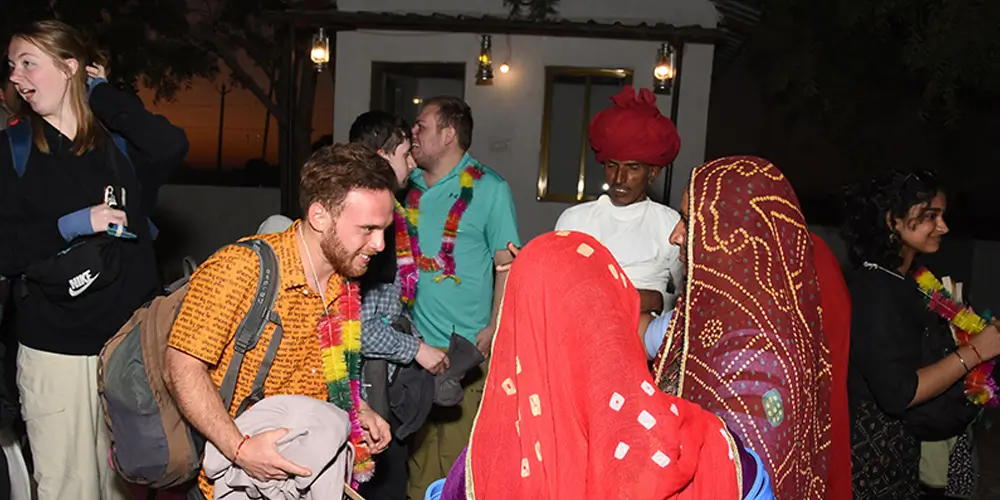
The development of luxury safari hospitality played a major role in reshaping how international travelers viewed Jawai. Instead of marketing the region simply as a rural wildlife area, luxury hospitality introduced Jawai as an exclusive wilderness destination combining leopards, granite landscapes, privacy, and high-end experiential travel.
Luxury safari properties helped create structured travel experiences that appealed strongly to global travelers. Personalized safaris, outdoor dining setups, luxury tents, wilderness immersion, photography opportunities, and conservation-inspired storytelling transformed Jawai into a destination associated with exclusivity and emotional luxury rather than mass tourism.
The rise of SUJÁN Jawai became especially influential because it positioned the destination within international luxury travel networks. High-end travelers searching for unique safari experiences beyond Africa or crowded Indian wildlife parks suddenly began discovering Jawai through luxury travel publications, media features, and global hospitality recommendations.
Another important factor was visual branding. Jawai’s granite hills and leopard landscapes photograph exceptionally well. Images of leopards resting on dramatic rock formations during sunrise or sunset quickly became iconic representations of the region. Luxury safari marketing transformed these visuals into internationally recognizable symbols of Indian wilderness luxury.
Travelers staying at Luxury Resorts in Jawai Rajasthan today continue benefiting from the global visibility created through these early luxury travel narratives. International wildlife enthusiasts now specifically search for Jawai experiences because the region developed strong global recognition as a premium leopard safari destination.
The luxury hospitality approach also emphasized emotional atmosphere rather than traditional sightseeing alone. Jawai was presented as a place for silence, wilderness connection, slow travel, and authentic nature experiences. This approach strongly appealed to modern luxury travelers increasingly searching for meaningful experiences rather than crowded tourism circuits.
Another remarkable effect involved destination perception itself. Jawai gradually shifted from being viewed as an isolated rural region into being perceived as one of India’s most exclusive wildlife landscapes. This transformation significantly influenced tourism growth across the broader region.
.webp)
One of the biggest reasons Jawai gained international recognition so quickly was because the destination is visually extraordinary. Wildlife photographers, documentary filmmakers, celebrities, and luxury travel creators all helped amplify the region’s visibility globally.
The granite terrain surrounding Jawai creates naturally cinematic landscapes. Leopards photographed against rocky hills, open skies, and dramatic sunset light appear visually different from wildlife imagery captured in dense forests. These photographs quickly attracted international attention through magazines, documentaries, travel campaigns, and social media storytelling.
Guests visiting Luxury Leopard Safari Resorts in Jawai frequently encounter travelers specifically arriving for wildlife photography. The open terrain allows excellent opportunities for observing leopard movement naturally while capturing visually powerful images.
Celebrity visits also contributed strongly to Jawai’s luxury image. As well-known personalities and global travelers began staying in the region, Jawai gradually developed a reputation as an exclusive and fashionable wilderness destination. Luxury travel often grows through aspirational visibility, and celebrity association naturally increased international curiosity about the region.
Documentary filmmakers and wildlife storytellers further strengthened Jawai’s reputation by highlighting coexistence between villagers and leopards. International audiences became fascinated by how predators and local communities continued sharing the same landscape peacefully.
The rise of digital media accelerated this process dramatically. Social media platforms allowed Jawai’s landscapes, luxury camps, wildlife sightings, and wilderness atmosphere to reach audiences worldwide. Travelers searching for unique safari experiences increasingly discovered Jawai through photography rather than traditional tourism advertising alone.
Another important factor was emotional storytelling. Jawai was not marketed only through luxury hospitality but through atmosphere, silence, coexistence, and environmental authenticity. This emotional identity strongly appealed to international luxury travelers searching for destinations feeling raw and meaningful rather than heavily commercialized.
The region’s popularity today reflects the combined influence of hospitality branding, wildlife photography, celebrity visibility, and digital storytelling working together over time.
Experience the landscapes, wildlife, and refined hospitality that have transformed Jawai into one of India's most admired luxury travel destinations for discerning travelers worldwide.
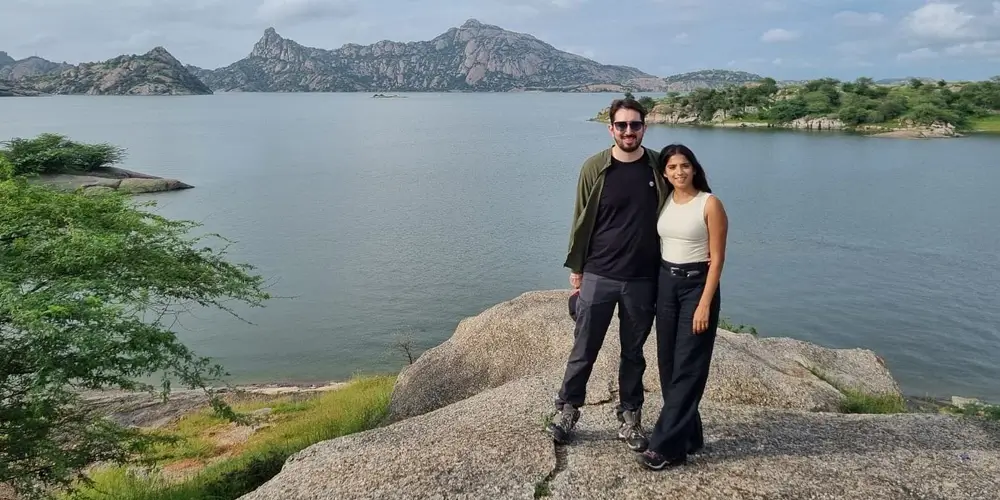
Modern luxury travelers increasingly search for destinations offering emotional experiences rather than only physical luxury. Jawai strongly appeals to this travel philosophy because the region feels peaceful, intimate, and deeply connected with nature.
Guests staying at Luxury Wildlife Resorts in Jawai Rajasthan often describe the destination as emotionally calming. The silence of the granite hills, open landscapes, wildlife atmosphere, and absence of urban chaos create strong psychological contrast compared to modern city life.
Luxury in Jawai is not defined only through architecture or expensive interiors. The real luxury comes from privacy, exclusivity, wilderness immersion, and emotional atmosphere. Travelers spend evenings beneath open skies, wake up to wildlife landscapes instead of traffic, and experience nature without overwhelming crowds.
The coexistence between villagers and leopards also creates deeper emotional connection. International travelers often become fascinated by how local communities adapted to living alongside predators rather than eliminating them. This coexistence story adds cultural and environmental depth to the safari experience.
Another reason travelers connect emotionally with Jawai is because the region still feels authentic. Unlike many global luxury destinations heavily transformed by commercial tourism, Jawai maintains rural character, natural landscapes, and environmental honesty.
Couples and honeymoon travelers especially appreciate the destination because the wilderness atmosphere naturally creates privacy and intimacy. Sunset drives, outdoor dining experiences, luxury tents, and peaceful safari landscapes contribute strongly to romantic travel experiences.
Photography and wellness-focused travelers also value the slower rhythm of Jawai. The destination encourages observation, silence, and emotional presence rather than rushed sightseeing schedules.
The rise of Jawai ultimately reflects broader changes happening within international luxury tourism itself.
The success of Jawai as a luxury safari destination also influenced the broader tourism landscape of Rajasthan. Traditionally, Rajasthan’s international tourism identity focused heavily on palaces, forts, heritage hotels, and desert culture. Jawai introduced a new dimension - wilderness luxury integrated with wildlife and environmental storytelling.
The growing popularity of Jawai encouraged travelers to view Rajasthan not only as a cultural destination but also as a premium wildlife region. Leopard safaris, granite landscapes, birdwatching, and coexistence tourism gradually became part of the state’s broader luxury travel identity.
As Jawai gained visibility, more hospitality investment and tourism interest entered the region. New luxury properties, safari experiences, nature activities, and wellness-focused travel concepts gradually expanded around the destination.
Travelers staying at Luxury Resorts in Jawai Rajasthan today benefit from this growing ecosystem. The region now supports more structured tourism experiences while still maintaining much of its original environmental atmosphere.
Another important outcome involved increased international awareness of conservation-based travel. Jawai’s tourism growth demonstrated that wildlife destinations could attract global luxury travelers without relying solely on traditional national park systems.
Responsible tourism remains essential for preserving Jawai’s future identity. The destination’s exclusivity depends heavily on maintaining low-density tourism, environmental balance, wildlife protection, and authentic cultural atmosphere.
Guests visiting Jawai Nature Stay often realize that the destination’s appeal comes not from excessive commercialization but from its balance between luxury, wilderness, silence, and authenticity.
The rise of Jawai on the global luxury wildlife map ultimately represents how thoughtful hospitality, environmental storytelling, and authentic landscapes can transform an overlooked wilderness region into an internationally admired travel destination.
Privacy, silence, wildlife coexistence, granite landscapes, and authentic environmental atmosphere make Jawai highly unique.
The destination combines exclusive safari experiences, peaceful landscapes, luxury hospitality, and emotional travel experiences.
Yes, Jawai focuses on wildlife, wilderness, coexistence, and luxury safari experiences instead of only forts and palaces.
Wildlife photography, luxury travel content, and digital storytelling introduced Jawai to global audiences online.
Travelers visit for leopard safaris, luxury wilderness stays, emotional atmosphere, and authentic nature experiences.
Photographers appreciate Jawai for its granite hills, leopard sightings, dramatic lighting, and cinematic wilderness landscapes.
No, Jawai remained relatively quiet and less internationally known before luxury wildlife tourism began growing in the region.
The property helped increase global awareness of Jawai through luxury hospitality, wildlife storytelling, and international travel visibility.
Yes, luxury safari hospitality played a major role in introducing Jawai to international luxury travel markets.
Jawai is internationally famous for luxury leopard safaris, granite landscapes, wildlife photography, and peaceful wilderness experiences.
Planning to visit Jawai? Need help with your stay or safari?
Get free, expert assistance from our team — no pressure, just honest guidance.
Any query? Write us mail.
info@jawainaturestay.com
Call to Inquire (08:00 - 20:00 hrs)
+91 9257995999
Talk to Experts
Whatsapp