
Jawai is one of India’s most fascinating wildlife destinations, where leopards, granite hills, and rural landscapes come together to form an open and peaceful ecosystem. However, the region is not uniform. It is naturally divided into two major geographical belts — South Jawai and North Jawai. Each zone has its own personality, wildlife movement patterns, visual atmosphere, and safari style. Travellers who understand these differences experience Jawai more deeply, especially those looking for specific wildlife sightings or dramatic landscapes.
The region’s natural geography, hill formations, cave structures, water bodies, and local villages influence how animals behave and how safaris unfold. While both sides offer excellent wildlife opportunities, their characteristics make them suitable for different kinds of travellers, photographers, and nature lovers. Understanding these variations adds clarity when planning safaris, stays, and travel routes.
South Jawai is known for its wide-open granite hills scattered across lower terrain. The region expands into gentle slopes and open plateaus, which provide visibility across long distances. The granite surfaces appear smoother and flatter, allowing sunlight to create beautiful reflections during sunrise and sunset.
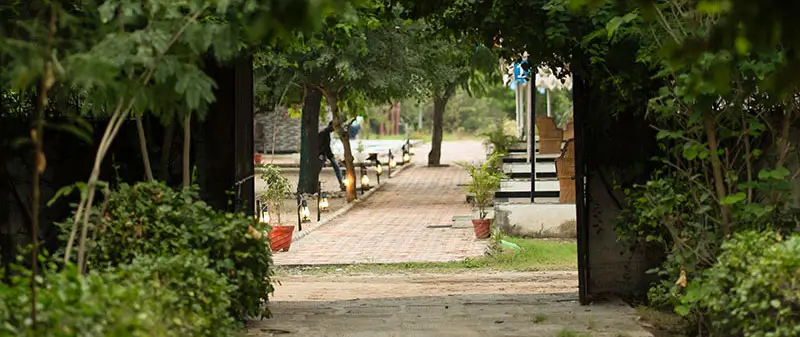
Villages in the southern belt are smaller and more traditional, with shepherd communities guiding their livestock across the landscape. The openness of the terrain creates a comfortable environment for wildlife sightings. Travellers often feel a sense of vastness here, as the land appears uninterrupted and deeply connected to nature.
The accessibility is smooth, and safaris comfortably navigate across the granite belts. The hills in the south hold several natural caves that are commonly used by leopards for resting, raising cubs, and staying protected during hot afternoons.
Both regions of Jawai offer unique landscapes, leopard sightings, and travel experiences. Talk to our experts to understand the differences and choose the perfect Jawai location for your stay and safari.
North Jawai stands out with its sharper granite peaks, deeper cave systems, and more dramatic structure. The hills here rise more prominently, creating a rugged skyline. The landscape feels bolder, visually stronger, and more intense, which appeals to wildlife photographers seeking dramatic compositions.
Water sources in the north attract a wide range of wildlife including crocodiles, birds, jackals, and occasionally hyenas. The terrain gives a sense of wilderness and remote isolation. While open spaces exist here as well, the rocks create narrow corridors where wildlife movement becomes more predictable.
The cultural experience in North Jawai is also unique. Some villages are larger, with traditional markets, temples, and community centres that bring more activity into the northern belt. This makes the region an interesting blend of culture and wilderness.
South Jawai hosts a calm and consistent wildlife movement. Leopards here show a sense of familiarity with safari jeeps and human presence. The flat terrain helps shepherds graze their livestock peacefully and remain aware of leopard movement from a distance.
The leopards in this region follow gentle slopes between hills. Their movement patterns remain steady, especially around the primary caves used by females with cubs. The openness of South Jawai allows travellers to observe leopards while they rest on granite surfaces, scan their surroundings, or walk along natural cliffs.
Bird activity is calm and steady, with species like painted storks, kingfishers, green bee-eaters, and waders frequenting the water bodies. The wildlife here behaves comfortably due to fewer disturbances and wide visibility.
North Jawai shows a more intense wildlife rhythm. The deeper caves and higher granite peaks attract leopards seeking shade, shelter, and security. Movement often takes place across narrow ridges, steep rock faces, and shaded corners. This makes sightings dramatic, as leopards appear and disappear quickly across sharp landscapes.
Crocodiles remain a major highlight of the northern side, especially near Jawai Bandh. Travellers often witness crocodiles basking on rocks, sliding into the water, or floating quietly near the surface. The bird population is rich due to lake systems attracting flamingos, pelicans, and migratory species during winter.
Jackals, foxes, and wolves sometimes move through the northern region, making it attractive for travellers interested in predator diversity. The wildlife mood here feels more adventurous and raw.
South Jawai’s landscape feels peaceful and soothing. The granite hills appear beautifully arranged, creating symmetric patterns across the region. Sunlight falls evenly on the rocks, producing warm golden tones during sunrise and soft blue reflections during twilight.
The region’s natural design gives travellers open views that feel gentle on the eyes. The lakes appear smaller but more intimate, perfect for quiet birdwatching sessions. The scenic viewpoints in South Jawai remain easily accessible through slow and comfortable jeep drives, making them suitable for families, seniors, and relaxed travellers.
The overall mood feels calm, creating a meditative environment that encourages longer stays and deeper connection with nature.
North Jawai’s landscape feels bold, dramatic, and powerful. The granite hills rise sharply, forming jaw-dropping silhouettes during sunset. The lakes appear larger and wider, reflecting the rocky horizon in bright and contrasting colours.
Photographers love North Jawai for its intense lighting angles and striking rock structures that create cinematic frames. The rugged terrain adds an adventurous character to safaris. For travellers seeking a wilder atmosphere, North Jawai offers the perfect blend of raw nature and thrilling scenery.
The viewpoints here allow visitors to witness massive granite formations surrounding water bodies, creating postcard-worthy visuals.
South Jawai is widely known for consistent leopard sightings because the landscape is open, predictable, and less obstructed. The visibility across the granite hills increases the chances of spotting leopards resting on rocks or walking across open paths.
Safari drivers and trackers understand movement patterns very well in this side, especially near caves where mothers raise their cubs. Since many leopards remain familiar with safari vehicles, they behave calmly, making sightings smooth and relaxed.
Travellers who prefer peaceful and predictable wildlife experiences often choose safaris in South Jawai first.
North Jawai offers equally rewarding but more adventurous sightings. The sharp terrain and deeper caves make sightings dramatic. Leopards often appear suddenly on high rock surfaces or vanish into narrow cave openings, creating thrilling moments.
North Jawai is also perfect for travellers interested in observing crocodiles, raptors, migratory birds, and water-based wildlife. The combination of granite peaks and lakes makes safaris visually richer.
The success rate remains excellent but demands more patience because the terrain introduces natural hiding spaces for wildlife. Photographers, adventure lovers, and repeat visitors often prefer this side.
From rugged granite hills to peaceful village landscapes, every part of Jawai offers a different experience. Let our local experts guide you in selecting the ideal region for safaris, stays, and unique moments.
Travellers visiting Jawai for the first time usually enjoy South Jawai more because sightings feel easier, landscapes feel softer, and safaris feel smoother. The region provides the perfect introduction to the Jawai ecosystem.
North Jawai becomes ideal for travellers who want a more dramatic, visually intense, and adventurous experience. It is especially appealing to photographers and wildlife enthusiasts.
Both regions complement each other beautifully, and combining safaris from both zones creates a complete Jawai experience.
Culture plays a major role in Jawai’s identity. South Jawai showcases smaller Rabari villages where shepherds carry out their daily routines with livestock. Travellers witness authentic pastoral life as shepherds guide goats and sheep across gentle hills.
North Jawai includes larger village setups with temples, ancient rock shelters, and spiritual landmarks. The cultural presence blends with wilderness, offering a mix of tradition and rugged nature. Visits to both sides reveal different shades of the Rabari community.
Scenic beauty is subjective, but South Jawai feels serene while North Jawai feels visually grand. The southern side offers soft tones and wide open views. The northern side offers dramatic peaks and cinematic silhouettes. Travellers seeking peace gravitate toward South Jawai. Travellers seeking strong visuals prefer North Jawai.
Both are beautiful in their own way and together form the complete identity of the Jawai region.
Yes, South Jawai offers more open landscapes, making sightings consistent and smooth.
The terrain is dramatic but manageable. Sightings are thrilling and visually powerful.
North Jawai has larger water bodies that attract a variety of birds and crocodiles.
Both regions are equally safe with trained drivers and controlled safari routes.
Yes, both South and North Jawai have strong leopard populations.
North Jawai offers dramatic frames; South Jawai provides soft, scenic landscapes.
North Jawai, especially near Jawai Bandh, has active crocodile zones.
Yes, South Jawai feels more rural and traditional, while North Jawai blends culture with rugged landscapes.
Yes, combining both creates the most complete Jawai experience.
South Jawai is quieter and more peaceful, ideal for relaxing safaris.
Planning to visit Jawai? Need help with your stay or safari?
Get free, expert assistance from our team — no pressure, just honest guidance.
Any query? Write us mail.
info@jawainaturestay.com
Call to Inquire (08:00 - 20:00 hrs)
+91 9257995999
Talk to Experts
Whatsapp