
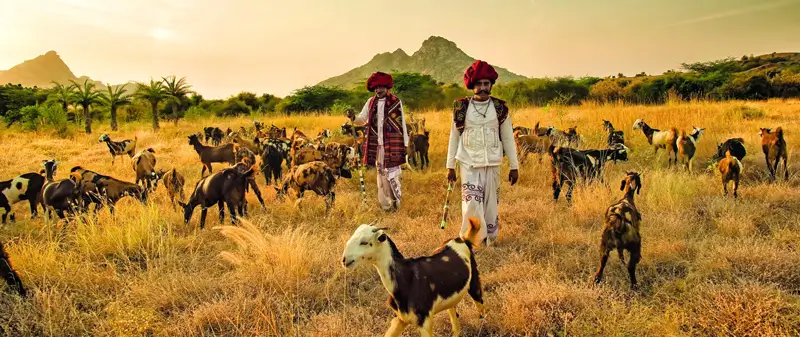
The region of Jawai in Rajasthan is globally recognized for its granite hills, leopard safaris, luxury wildlife stays, and peaceful landscapes, but another equally important part of the destination often leaves a lasting impression on travelers the Rabari tribe. The cultural identity of Jawai is deeply connected with the lives of the Rabari community, whose traditions, pastoral lifestyle, spiritual beliefs, and relationship with nature have shaped the atmosphere of the region for generations. Travelers visiting Jawai often arrive expecting wildlife adventures, yet many leave equally fascinated by the people who have lived among these hills long before tourism reached the area.
The Rabari community is one of the oldest pastoral groups in Rajasthan and Gujarat. In Jawai, their presence can be seen across villages, grazing lands, hills, and open countryside landscapes where herds of camels, goats, and sheep continue moving through ancient routes. Unlike heavily urbanized societies, the Rabari way of life remains closely tied to nature, seasonal movement, livestock care, and spiritual traditions. Their identity is not built around modern tourism, yet their coexistence with wildlife has unintentionally become one of the strongest reasons why Jawai is now globally admired.
Visitors staying at Luxury Resorts in Jawai Rajasthan frequently encounter Rabari settlements during safari drives, village visits, and countryside walks. Men wearing white traditional clothing and colorful turbans, women dressed in heavily embroidered garments and silver jewelry, and livestock moving across rocky terrain create scenes that feel deeply connected to Rajasthan’s rural heritage. These visual experiences give Jawai a cultural richness that goes far beyond wildlife tourism alone.
One of the most remarkable aspects of the Rabari tribe is their peaceful coexistence with leopards. In many parts of the world, predators and humans remain in constant conflict, but Jawai presents a different reality. The Rabari people have shared this landscape with leopards for generations, and although occasional livestock losses occur, the community largely accepts the presence of wildlife within the ecosystem. This rare balance between humans, animals, and nature has become one of the defining identities of Jawai.
Travelers searching for authentic rural experiences increasingly value destinations where culture still feels genuine rather than commercialized. Jawai continues attracting international visitors not only because of leopard sightings but also because of its living cultural landscape. The Rabari tribe represents the human side of Jawai’s story, adding emotional depth to the wilderness experience.
Step beyond the safari and experience the timeless traditions, vibrant culture, and remarkable way of life of the Rabari community with authentic village encounters curated by Jawai Nature Stay.
The history of the Rabari community stretches back centuries and remains deeply connected with pastoral traditions. Historians and cultural researchers believe the Rabaris originally migrated through western India before settling across regions of Rajasthan and Gujarat. Over time, they developed a lifestyle centered around animal husbandry, seasonal grazing, and movement through dry landscapes where survival depended heavily on understanding nature.
In Jawai, the Rabari people became closely connected with the rocky terrain and open grazing areas surrounding the granite hills. Livestock such as sheep, goats, cows, and camels became central to their economy and social structure. Even today, many Rabari families continue depending on livestock for livelihood, milk production, trade, and daily survival.
The community’s lifestyle developed around mobility rather than permanent urban settlement. Seasonal migration patterns allowed them to move livestock according to water availability and grazing conditions. This movement created a deep understanding of the environment, wildlife behavior, weather cycles, and terrain conditions. Their survival depended on reading the landscape carefully, which eventually created a natural respect for the ecosystem around them.
One reason travelers find the Rabari culture fascinating is because it still maintains visible links with older traditions. In many modern tourist destinations, local culture has become highly commercialized or disconnected from daily life. In Jawai, however, visitors can still witness authentic pastoral routines continuing naturally. Herds crossing dusty landscapes during sunrise, traditional livestock shelters, handmade garments, village cooking methods, and spiritual practices remain active parts of everyday life.
The Rabari community is also known for strong family structures and close knit social systems. Villages often function through shared traditions and community cooperation. Ceremonies, marriages, livestock care, and religious events involve collective participation rather than isolated family units. These social patterns contribute to the calm and connected atmosphere many travelers observe while visiting rural Jawai.
Traditional craftsmanship also plays an important role within the community. Rabari women are widely admired for embroidery work, mirror designs, textile decoration, and handcrafted garments. Their clothing reflects both cultural identity and artistic expression, using detailed patterns and bold colors that stand out against the earthy tones of Rajasthan’s landscapes.
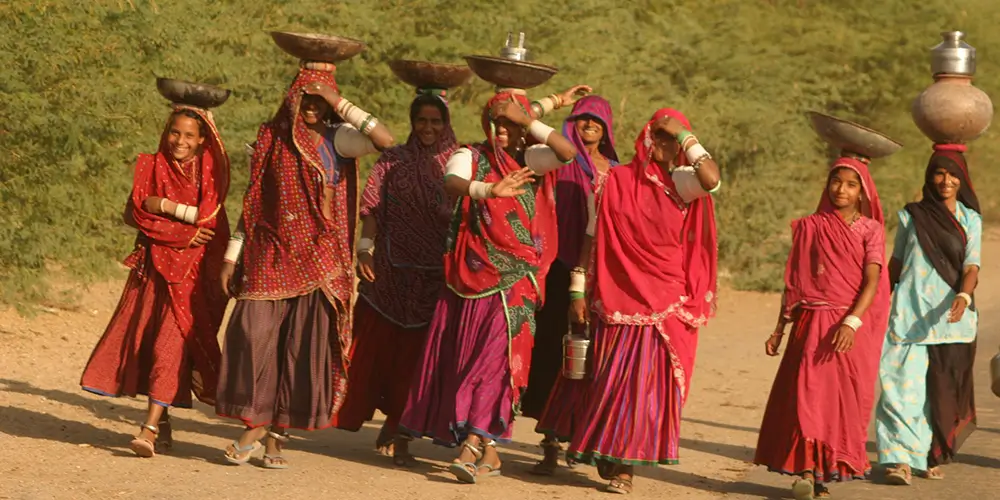
Life within Rabari settlements moves at a pace very different from urban India. The daily rhythm revolves around livestock care, water collection, cooking, grazing movement, family activities, and interaction with the natural environment. Travelers staying at Luxury Wildlife Resorts in Jawai often find these rural scenes deeply calming because they represent a slower and more grounded way of living.
Early mornings in Rabari villages usually begin before sunrise. Men often leave with livestock while women manage household responsibilities, prepare traditional meals, collect water, and participate in community activities. The movement of animals across the granite terrain becomes part of the visual identity of Jawai itself. Visitors driving through the countryside frequently encounter goats climbing rocky slopes, shepherds moving through dusty trails, and camels walking near village roads.
The houses within many Rabari settlements are traditionally designed according to climate and local resources. Mud walls, stone construction, open courtyards, and natural ventilation systems help maintain comfortable temperatures during Rajasthan’s harsh summers. These homes reflect practical adaptation to the environment rather than decorative architecture.
Traditional clothing remains one of the strongest visual symbols of the Rabari tribe. Rabari men generally wear white garments with turbans, while women are recognized for richly embroidered dresses, silver ornaments, bangles, and handcrafted jewelry. Their attire is not only cultural but also practical for desert and rural conditions.
Food habits within the community are also closely linked with pastoral life. Dairy products, millet based dishes, traditional breads, and locally available ingredients dominate daily meals. Many travelers visiting Jawai become interested in traditional village cooking because it represents a simpler and more natural lifestyle compared to urban dining culture.
One important aspect of Rabari culture is spirituality. Temples, local shrines, and folk beliefs continue playing a major role in village life. Religious traditions often coexist with respect for nature and animals. This spiritual connection contributes to the peaceful attitude many Rabari families maintain toward wildlife in the region.
Even though tourism has increased in Jawai, much of the Rabari lifestyle still remains authentic rather than staged for visitors. Travelers increasingly appreciate this honesty because it allows them to experience real cultural interaction instead of commercial performances designed only for tourists.
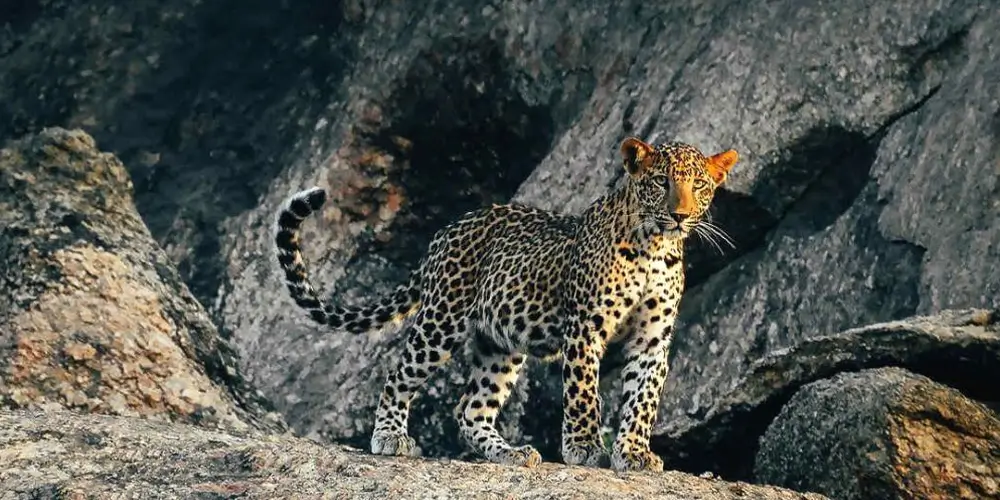
The coexistence between the Rabari tribe and leopards is one of the most remarkable wildlife stories in India. In many regions around the world, large predators create fear, conflict, and hostility among local populations. Jawai presents a very different example where humans and leopards have shared the same environment for generations.
Leopards in Jawai frequently move near villages, grazing lands, rocky hills, and water sources. Rabari shepherds often encounter these predators during daily activities, yet direct conflict remains surprisingly limited. Travelers visiting Jawai frequently become fascinated by this peaceful coexistence because it challenges common perceptions about predator human relationships.
Several factors contribute to this balance. The Rabari community traditionally views wildlife as part of the natural ecosystem rather than enemies that must be eliminated. Spiritual beliefs, historical adaptation, and long term coexistence have created a degree of acceptance toward predators within the landscape.
The granite hills surrounding Jawai provide ideal shelter for leopards while nearby grazing lands support prey movement. Over time, both humans and wildlife adapted to shared use of the environment. Leopards generally avoid unnecessary confrontation with humans, while local communities learned how to live alongside their presence.
Travelers on Leopard Safari in Jawai Rajasthan often hear stories from guides and villagers about leopard sightings near settlements, temples, or grazing areas. Unlike heavily forested tiger reserves where wildlife remains distant, Jawai allows visitors to witness how predators exist within a broader living landscape shared with rural communities.
International wildlife researchers and photographers have shown growing interest in Jawai because this coexistence model remains rare. The region demonstrates that conservation can sometimes succeed through tolerance, adaptation, and cultural understanding rather than strict separation between humans and wildlife.
This relationship also adds emotional depth to safari experiences. Visitors are not simply observing leopards in isolation; they are witnessing a complete ecosystem where local culture, livestock movement, village life, and wildlife all remain interconnected.
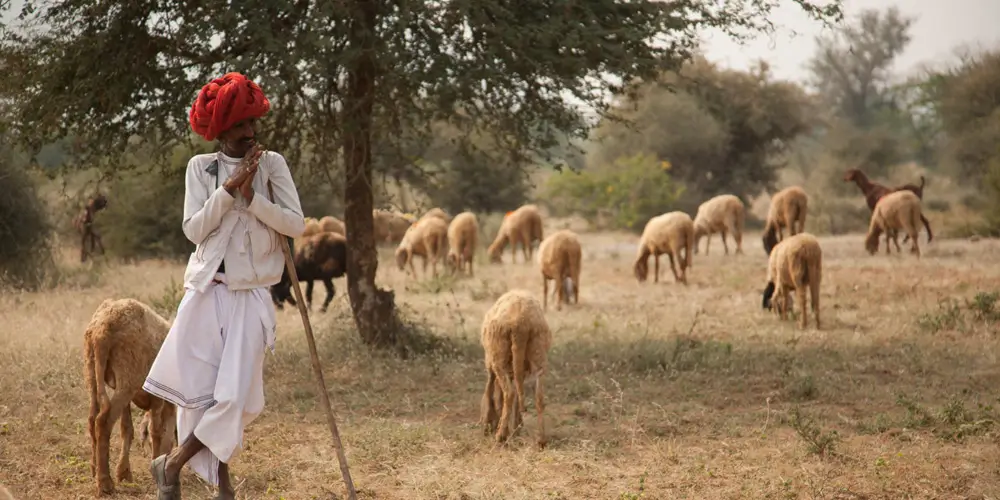
Luxury travelers today increasingly search for destinations that offer authentic cultural depth rather than superficial tourism experiences. Jawai stands out because it combines wildlife tourism with real human stories. The Rabari tribe adds an emotional and cultural layer that many international visitors find unforgettable.
Travelers from Europe, North America, Australia, and other international markets often describe Jawai as different from typical tourist circuits in India. Instead of crowded monuments and urban sightseeing, Jawai offers silence, landscapes, wildlife, and meaningful interaction with local communities.
Village visits have become one of the most appreciated activities among guests staying at Luxury Resorts in Jawai. Visitors enjoy observing traditional homes, meeting local families, learning about embroidery work, watching livestock routines, and understanding the connection between the Rabari people and the landscape around them.
Photography enthusiasts especially admire the visual richness of Rabari culture. Traditional clothing, textured landscapes, livestock movement, village architecture, and dramatic natural lighting create extraordinary opportunities for storytelling photography.
Many international travelers also feel emotionally connected to the slower rhythm of life in Jawai. Modern urban societies often create stress, noise, and digital overload, while rural Jawai represents simplicity, community connection, and closeness to nature. This contrast becomes one of the strongest reasons why visitors remember the region long after returning home.
Luxury travel in modern times increasingly focuses on authenticity rather than excessive material display. Jawai successfully combines comfortable safari stays with meaningful cultural interaction. Travelers can enjoy luxury accommodation while still experiencing the human side of Rajasthan’s wilderness.
The Rabari community unintentionally plays a major role in shaping Jawai’s identity as a global travel destination. Without their history, traditions, and coexistence with wildlife, Jawai would simply be another scenic landscape. Their presence transforms the region into a living cultural ecosystem.
Let us create a personalized itinerary that combines luxury accommodation, Rabari village visits, and unforgettable wildlife experiences for a truly complete Jawai journey.
As Jawai continues gaining international recognition, tourism inevitably influences local communities. Luxury resorts, safari tourism, photography tourism, and increasing visitor movement have created new economic opportunities within the region. Many local families now participate in tourism activities through guiding, hospitality work, handicrafts, transportation, and cultural interaction.
At the same time, preserving authenticity becomes extremely important. One reason travelers admire Jawai is because the destination still feels natural and culturally genuine. Over commercialization could damage the very atmosphere that attracts visitors in the first place.
Responsible tourism plays a critical role in protecting both wildlife and local culture. Travelers increasingly appreciate experiences that respect village life rather than treating communities as tourist attractions. Ethical interaction, cultural understanding, and support for local livelihoods help maintain the balance between tourism growth and heritage preservation.
The Rabari tribe represents far more than visual culture or rural tourism. Their history reflects adaptation, resilience, environmental understanding, and coexistence with nature across generations. In many ways, they embody the spirit of Jawai itself.
Visitors staying at Jawai Nature Stay often realize that the beauty of the destination comes not only from leopards or landscapes but also from the people who continue living within this ecosystem. The Rabari community remains one of the strongest cultural foundations behind Jawai’s growing identity as a luxury wildlife destination in Rajasthan.
Yes, despite growing tourism, many Rabari communities continue maintaining traditional lifestyles, customs, and cultural practices.
Rabari culture adds authenticity, history, and emotional depth to Jawai’s wildlife tourism identity.
Yes, many safari experiences and village visits allow respectful interaction with local Rabari communities.
Rabari families traditionally raise camels, sheep, goats, cows, and other livestock.
Yes, many Rabari settlements exist near leopard habitats, and the community has coexisted with wildlife for generations.
Rabari clothing is known for colorful embroidery, mirror work, silver jewelry, turbans, and handcrafted traditional designs.
Travelers visit Rabari villages to experience authentic rural culture, traditional clothing, local lifestyle, and the human side of Jawai’s wildlife landscape.
Most Rabari families follow a pastoral lifestyle connected with livestock care, grazing movement, traditional village living, and rural community traditions.
The Rabari tribe is famous for its traditional lifestyle and peaceful relationship with leopards and nature in the Jawai region.
The Rabari people are a traditional pastoral community known for livestock herding, rural traditions, colorful clothing, and coexistence with wildlife in Jawai Rajasthan.
Planning to visit Jawai? Need help with your stay or safari?
Get free, expert assistance from our team — no pressure, just honest guidance.
Any query? Write us mail.
info@jawainaturestay.com
Call to Inquire (08:00 - 20:00 hrs)
+91 9257995999
Talk to Experts
Whatsapp