

Across many parts of the world, the relationship between humans and large predators is often shaped by fear, conflict, and separation. Villages located near wildlife zones usually experience tension whenever dangerous animals move close to human settlements. Yet in the rocky wilderness of Jawai Rajasthan, a completely different story has quietly evolved over generations. Here, leopards move through granite hills, grazing lands, and village surroundings while local communities continue their daily lives with an unusual level of acceptance and understanding. This rare coexistence between humans and predators has become one of the most fascinating wildlife stories in India.
Travelers visiting Jawai often arrive expecting a luxury safari destination famous for leopard sightings, but many leave deeply moved by the peaceful balance they witness between villagers and wildlife. The region is not a fenced national park isolated from human activity. Jawai is a living landscape where temples, livestock routes, rocky caves, village settlements, and predator territories exist side by side. This coexistence has shaped the identity of Jawai far beyond tourism alone.
The granite hills surrounding Jawai provide natural shelters for leopards, while nearby villages continue traditional rural lifestyles that have remained connected to the land for generations. Unlike heavily urbanized regions, life in Jawai still revolves around livestock, agriculture, community interaction, and respect for natural surroundings. Local communities, especially the Rabari tribe and other pastoral groups, have adapted to the presence of leopards over centuries. Instead of treating predators purely as enemies, many villagers see them as part of the ecosystem they share.
Visitors staying at Luxury Resorts in Jawai Rajasthan often hear stories from safari guides and villagers about leopard movement near temples, grazing areas, and rocky valleys. These stories are not presented with fear alone but with familiarity and acceptance. The relationship between humans and leopards in Jawai remains complex, realistic, and deeply rooted in history, yet it continues functioning with remarkable balance compared to many wildlife regions around the world.
One reason Jawai has gained global attention among wildlife photographers, conservationists, and international travelers is because this coexistence feels authentic rather than staged. Travelers do not simply observe animals in isolation. They witness a complete cultural and ecological landscape where humans and predators continue navigating shared space with mutual awareness.
The emotional impact of this coexistence often becomes one of the strongest memories for visitors. Watching a leopard move silently across granite hills while village life continues peacefully below creates a wildlife experience unlike any other safari destination in India.
Experience Jawai, where wild leopards and local communities have shared the same landscape in remarkable harmony for generations. Witness this rare coexistence through respectful.
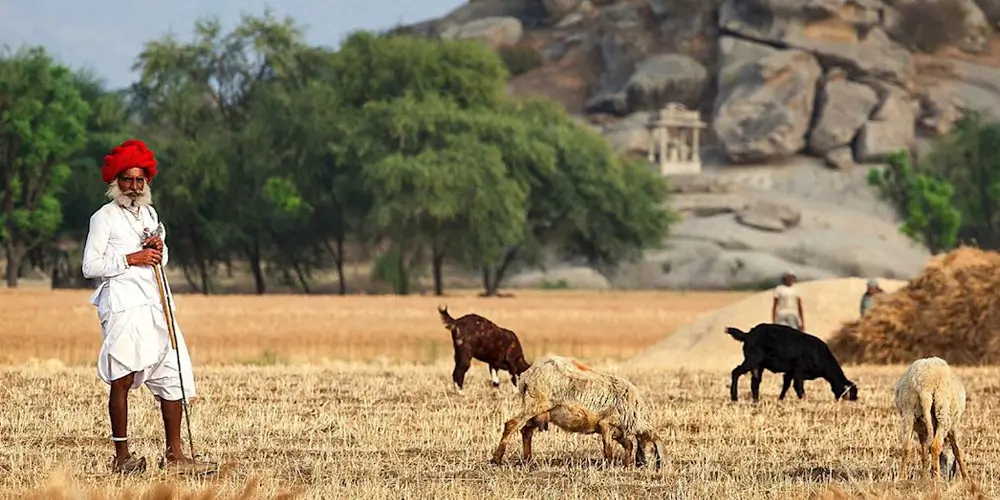
The coexistence seen in Jawai today did not develop overnight. It evolved gradually over generations as local communities adapted to living alongside predators within the same landscape. Long before Jawai became internationally known for luxury safaris and wildlife tourism, villagers already understood leopard movement patterns, resting areas, and territorial behavior.
The geography of Jawai played a major role in shaping this relationship. Massive granite hills scattered across the region provide ideal natural shelters for leopards. Deep crevices, caves, rocky plateaus, and elevated viewpoints allow predators to move safely through the landscape while remaining close to prey and water sources. At the same time, nearby villages depend on the same environment for livestock grazing, farming, and daily survival.
Instead of separating wildlife zones completely from human activity, Jawai developed as a shared landscape where both adapted to each other’s presence. Villagers learned where leopards commonly moved and adjusted routines accordingly. Leopards, in turn, became familiar with human patterns and often avoided unnecessary confrontation.
One of the most remarkable aspects of Jawai is how naturally this coexistence still functions. Travelers on Leopard Safari in Jawai Rajasthan often hear about leopards moving near temples or crossing village outskirts during nighttime hours. While the presence of predators is respected seriously, panic and hostility are far less common than outsiders expect.
The Rabari community especially developed deep awareness of wildlife behavior because of their pastoral lifestyle. Generations of shepherds moving livestock across open landscapes created practical understanding of predator movement and risk management. Their connection with the environment encouraged observation rather than constant fear.
Spiritual beliefs also contribute to the coexistence culture in Jawai. Many villagers consider wildlife part of a larger natural balance tied to local traditions and sacred landscapes. Temples located within granite hills often exist surprisingly close to leopard territories, yet these spaces continue functioning peacefully.
Travelers frequently describe Jawai as emotionally different from traditional wildlife tourism because the region feels alive with human history rather than isolated conservation alone. The coexistence between leopards and villagers transforms the safari experience into a deeper story about adaptation and shared survival.
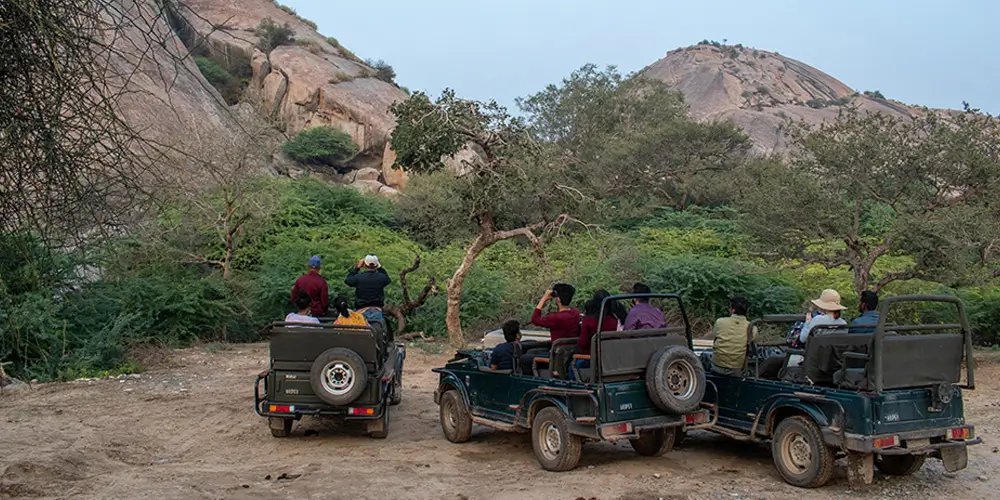
In many parts of India and the world, predator human conflict becomes severe whenever wildlife territories overlap with villages. Livestock losses, fear, habitat destruction, and competition for resources often create hostility toward predators. Jawai, however, presents a comparatively stable coexistence model that continues attracting attention from wildlife researchers and conservationists.
One major reason conflict remains relatively lower is the long term familiarity villagers have with leopard presence. Leopards are not recent arrivals in Jawai. Local communities have lived near them for generations, which reduced the element of unpredictability often responsible for panic in other regions.
The behavior of Jawai leopards also contributes to this balance. Leopards are highly intelligent and adaptable predators. Over time, they learned movement patterns that reduce unnecessary encounters with humans. Many remain active during quieter hours while using caves and elevated granite formations for shelter during daytime periods.
The open landscape of Jawai also helps both humans and wildlife remain aware of each other’s movement. Dense forests often create sudden encounters between predators and villagers, while Jawai’s rocky terrain provides greater visibility and natural escape routes.
Local communities have also traditionally maintained tolerance toward wildlife despite occasional livestock losses. While such incidents do occur, large scale retaliation against predators has remained comparatively limited. Cultural beliefs, environmental adaptation, and understanding of the ecosystem all contribute to this attitude.
Visitors staying at Luxury Wildlife Resorts in Jawai often become fascinated by stories shared by local guides about leopard sightings near villages without immediate panic or violence. This calmness reflects generations of coexistence knowledge rather than absence of risk.
At the same time, coexistence in Jawai should not be misunderstood as complete harmony without challenges. Leopards remain dangerous predators capable of attacking livestock and, in rare situations, creating risk for humans. The balance survives because both wildlife and villagers continue respecting each other’s space and behavior patterns.
Conservation experts increasingly study Jawai because the region demonstrates how cultural attitudes can strongly influence wildlife survival. In many ways, tolerance and local adaptation have protected Jawai’s leopard population as much as the granite hills themselves.
The Rabari tribe plays a major role in shaping Jawai’s coexistence story. Their pastoral lifestyle, spiritual traditions, and connection with livestock movement created deep familiarity with the landscape over centuries. Travelers visiting Jawai often encounter Rabari shepherds moving goats, sheep, and camels through rocky terrain that also serves as leopard habitat.
Unlike urban societies disconnected from natural ecosystems, the Rabari community developed survival strategies based on environmental awareness. Their understanding of terrain, animal movement, seasonal changes, and predator behavior became part of daily life rather than scientific study alone.
Many international travelers staying at Luxury Resorts in Jawai Rajasthan become deeply interested in this cultural dimension because it adds emotional depth to the safari experience. Jawai is not simply about spotting leopards. It is about understanding how humans continue living within the same ecosystem.
Rabari traditions also emphasize resilience and adaptation. Livestock losses caused by predators are seen as unfortunate realities of rural life rather than reasons to eliminate wildlife entirely. This mindset significantly reduced large scale hostility toward leopards compared to regions where economic pressure creates aggressive retaliation.
Village temples scattered across Jawai’s hills further reflect the spiritual relationship local communities maintain with the environment. Some temples exist remarkably close to leopard territories, yet coexistence continues with mutual awareness and caution.
Travelers often notice that villagers speak about leopards with respect rather than hatred. Stories shared around campfires or during village visits reveal familiarity with individual leopard movement patterns and territorial behavior. This cultural knowledge has become one of the strongest foundations supporting Jawai’s wildlife identity.
The coexistence model also created unique tourism opportunities. Modern luxury travelers increasingly search for authentic destinations where wildlife experiences feel emotionally meaningful rather than commercially manufactured. Jawai offers this authenticity through its living relationship between humans, landscapes, and predators.
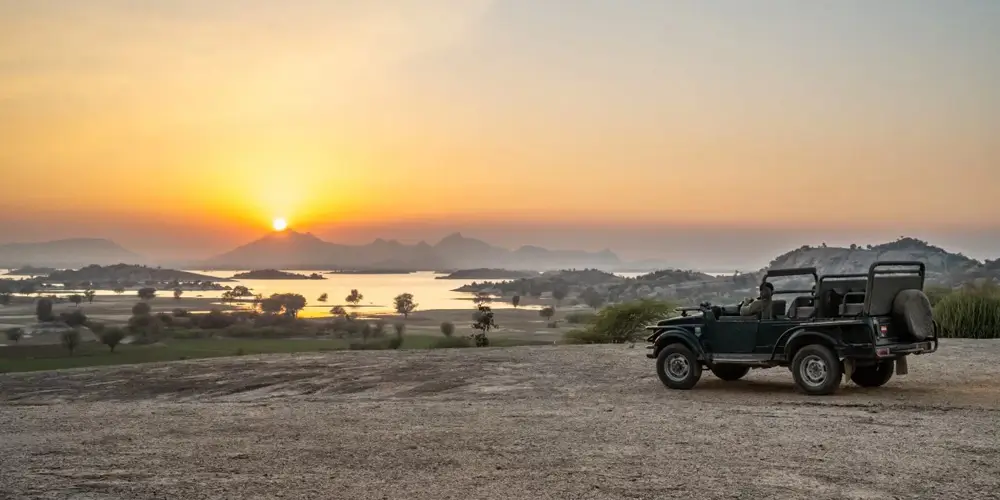
Modern luxury tourism increasingly focuses on authenticity, emotional connection, and meaningful experiences rather than checklist sightseeing alone. Jawai’s coexistence story strongly appeals to international travelers because it represents something rare in the modern world a functioning relationship between humans and predators within a shared landscape.
Travelers from Europe, North America, Australia, and other international markets often arrive in Jawai expecting wildlife photography opportunities but leave deeply moved by the broader human story. The region challenges common assumptions that dangerous predators and rural communities cannot coexist peacefully.
Photographers and documentary filmmakers especially appreciate Jawai because the coexistence creates powerful visual storytelling opportunities. Leopards moving across ancient granite hills while village life continues below creates imagery that feels cinematic and emotionally layered.
Guests staying at Luxury Leopard Safari Resorts in Jawai frequently describe safari drives here as quieter and more reflective than crowded wildlife parks. Instead of chasing sightings aggressively, travelers spend time understanding landscapes, observing village life, and appreciating the balance between nature and humanity.
The region also appeals strongly to travelers searching for less commercialized destinations. Many famous safari regions worldwide suffer from overcrowding, excessive vehicle pressure, and highly structured tourism experiences. Jawai still maintains a sense of openness and natural rhythm that feels genuine.
Another reason international visitors connect emotionally with Jawai is because the destination reflects broader environmental questions facing the modern world. As urban expansion continues globally, coexistence between humans and wildlife becomes increasingly difficult. Jawai represents a rare example where adaptation and tolerance continue functioning within a living ecosystem.
Travelers often leave with a deeper understanding that conservation is not only about protected forests or wildlife laws. Sometimes survival depends equally on local culture, community attitudes, and shared understanding of the environment.
Beyond leopard sightings lies a powerful story of harmony, where ancient traditions and untamed wilderness have thrived together for centuries.
As Jawai grows more popular internationally, balancing tourism development with ecological preservation becomes increasingly important. Luxury resorts, safari tourism, and media attention have created economic opportunities for local communities, but they also bring pressure on landscapes and wildlife habitats.
Responsible tourism will play a major role in protecting Jawai’s identity. Travelers increasingly prefer destinations that maintain authenticity and ecological balance rather than becoming over commercialized safari zones. Preserving silence, natural movement corridors, village culture, and wildlife behavior remains essential for the future of the region.
Luxury hospitality in Jawai succeeds because the environment still feels raw and peaceful. Overdevelopment could easily damage the very qualities attracting international travelers today. Sustainable safari practices, respectful tourism behavior, and community involvement are necessary to maintain balance between economic growth and conservation.
Local communities remain central to this future. Without the tolerance and coexistence traditions maintained by villagers, Jawai’s leopard population would likely face far greater pressure. Supporting local livelihoods through tourism can strengthen conservation efforts while preserving cultural heritage.
Travelers staying at Jawai Nature Stay often realize that the region offers far more than wildlife photography alone. Jawai represents a living example of coexistence where granite hills, predators, temples, livestock, villages, and luxury safari experiences all remain connected within one extraordinary landscape.
The untold story of Jawai is not simply about leopards. It is about understanding how humans and wildlife can continue sharing space when adaptation, respect, and environmental awareness remain part of everyday life.
Jawai demonstrates how local culture, tolerance, and coexistence can support predator survival outside traditional protected forests.
Yes, many safari experiences include village interaction and cultural understanding alongside wildlife observation.
Jawai combines wildlife, village life, granite landscapes, luxury safari tourism, and cultural coexistence within the same environment.
Most villagers are familiar with leopard movement and generally maintain caution and coexistence rather than panic.
Leopards remain wild predators and should always be respected, although coexistence in Jawai has remained relatively peaceful.
Travelers visit Jawai for leopard safaris, granite landscapes, luxury stays, wildlife photography, and the unique coexistence story of the region.
No, Jawai is not a traditional fenced national park. It is a shared landscape where wildlife and villages coexist naturally.
The Rabari community is strongly connected with Jawai’s coexistence culture because of their pastoral lifestyle and long history in the region.
Yes, leopards in Jawai often move near villages, temples, grazing lands, and rocky hills while avoiding unnecessary interaction with humans.
Jawai is famous because villagers and leopards have peacefully shared the same landscape for generations with relatively low levels of conflict.
Planning to visit Jawai? Need help with your stay or safari?
Get free, expert assistance from our team — no pressure, just honest guidance.
Any query? Write us mail.
info@jawainaturestay.com
Call to Inquire (08:00 - 20:00 hrs)
+91 9257995999
Talk to Experts
Whatsapp