
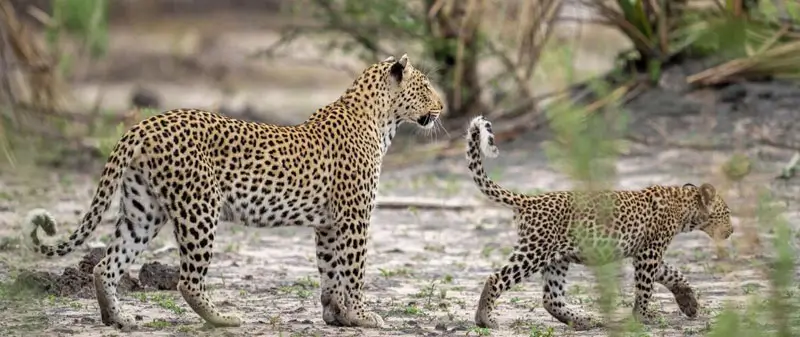
Hidden within the rugged landscapes of Rajasthan’s Pali district, Jawai has quietly earned global recognition as one of India’s most extraordinary wildlife and nature destinations. Known as the Land of Leopards, Jawai is unlike traditional national parks or crowded tourist circuits. Here, leopards roam freely across granite hills, ancient rock formations rise dramatically from open plains, and rural life continues in peaceful coexistence with wildlife.
Jawai tourism is not about ticking off attractions; it is about immersion. The destination attracts travelers seeking authenticity, silence, wildlife encounters, and meaningful connection with nature. With its rare balance of wilderness, culture, and luxury, Jawai offers an experience that feels both raw and refined.
Jawai is located around 130 kilometers from Jodhpur and lies between Jodhpur and Udaipur in western Rajasthan. The region spreads across small villages such as Bera, often collectively referred to as Jawai–Bera. Unlike fenced reserves, Jawai is an open landscape where wildlife and people share the same terrain.
This geographical openness is what makes Jawai tourism truly unique.
Jawai is globally known for its unusually high density of leopards living outside protected forest zones. The granite hills provide natural caves and shelters, while open grasslands support prey species, creating a stable ecosystem.
What sets Jawai apart is the peaceful coexistence between leopards and local communities, particularly the Rabari tribe. Leopards are respected as part of the land rather than feared, making Jawai one of the safest and most ethical leopard-viewing destinations in India.
For wildlife lovers, leopard safari in Jawai is the highlight of the journey.
Discover the best of Jawai tourism with personalized tours, wildlife safaris, cultural experiences, and scenic escapes. Let us help you create unforgettable memories.
Leopard safaris in Jawai are conducted in open 4x4 vehicles, guided by experienced trackers who understand the terrain and animal movement patterns. Unlike national parks with strict zones and time pressure, Jawai safaris feel organic and flexible.
Safaris usually take place during early mornings and late afternoons, when leopards are most active. Sightings often occur against dramatic backdrops of granite hills, making the experience visually striking and emotionally powerful.
Beyond leopards, safaris may reveal hyenas, jungle cats, foxes, crocodiles, and a wide variety of birds.
One of the most defining features of Jawai tourism is its landscape. Massive granite rock formations dominate the horizon, creating a terrain unlike any other wildlife destination in India.
These ancient hills are not only visually impressive but also ecologically significant. They provide shelter for leopards and nesting sites for birds. Sunrise and sunset over these rocks create unforgettable moments, making Jawai a favorite among photographers and nature lovers.
The Jawai Bandh (dam) is another key attraction. Built across the Jawai River, it supports agriculture, wildlife, and local communities. The dam and surrounding wetlands attract migratory birds and support crocodile populations.
Visitors often enjoy birdwatching, nature walks, and quiet observation near the water. The reflections of hills and sky over the water add a tranquil dimension to the Jawai experience.
Jawai tourism is deeply connected to its villages and people. The Rabari tribe, indigenous pastoralists of the region, play a vital role in shaping Jawai’s identity.
A Jawai village tour allows travelers to observe traditional homes, livestock herding, local attire, and daily routines. Interactions are simple and genuine, offering insight into a lifestyle that values harmony with nature.
Understanding Rabari culture enhances appreciation of how wildlife conservation in Jawai works organically through tradition rather than enforcement.
Despite its remote feel, Jawai offers refined accommodation options. Luxury nature stays and tented accommodation in Jawai are designed to blend comfort with wilderness immersion.
These stays focus on:
Staying close to nature allows travelers to absorb Jawai’s atmosphere beyond safari hours.
While leopards draw visitors to Jawai, the destination offers much more. Guests can enjoy:
This diversity makes Jawai suitable for families, couples, solo travelers, and repeat India visitors.
Jawai can be visited throughout most of the year, with different seasons offering varied experiences. Cooler months provide comfortable weather for safaris and outdoor activities, while warmer months often offer quieter surroundings and dramatic landscapes.
Morning and evening hours are especially rewarding for wildlife activity and scenic beauty.
Jawai tourism appeals strongly to:
Jawai is ideal for those who value atmosphere over crowds.
Unlike national parks with fixed boundaries and tourist congestion, Jawai remains open, fluid, and authentic. Wildlife is not confined, and tourism is low-impact.
This openness creates a sense of respect rather than spectacle, making Jawai one of India’s most ethical wildlife tourism models.
A stay of two to three nights allows travelers to experience safaris, village life, and nature without rushing. Many visitors find themselves wanting to slow down further, as Jawai naturally encourages extended stays.
Discover the best of Jawai tourism with personalized tours, wildlife safaris, cultural experiences, and scenic escapes. Let us help you create unforgettable memories.
Jawai promotes responsible tourism by supporting local communities, respecting wildlife, and minimizing environmental impact. Travelers who choose Jawai contribute to a sustainable model where conservation and livelihoods grow together.
Jawai is not loud or dramatic in the conventional sense. Its power lies in silence, space, and authenticity. Travelers leave with memories of quiet moments, unexpected wildlife encounters, and meaningful cultural insights.
This is what makes Jawai tourism deeply memorable.
Jawai is famous for leopards, granite hills, and peaceful wildlife coexistence.
Yes, Jawai is considered one of the safest leopard destinations in India.
Jawai is an open landscape without fenced zones or mass tourism.
Yes, Jawai is suitable for families and children.
Yes, Jawai offers premium nature and tented stays.
Yes, village tours are an important part of the experience.
Absolutely, Jawai is highly popular among photographers.
Two to three nights is ideal.
No, Jawai remains peaceful and uncrowded.
For wildlife, silence, authenticity, and offbeat luxury.
Planning to visit Jawai? Need help with your stay or safari?
Get free, expert assistance from our team — no pressure, just honest guidance.
Any query? Write us mail.
info@jawainaturestay.com
Call to Inquire (08:00 - 20:00 hrs)
+91 9257995999
Talk to Experts
Whatsapp