
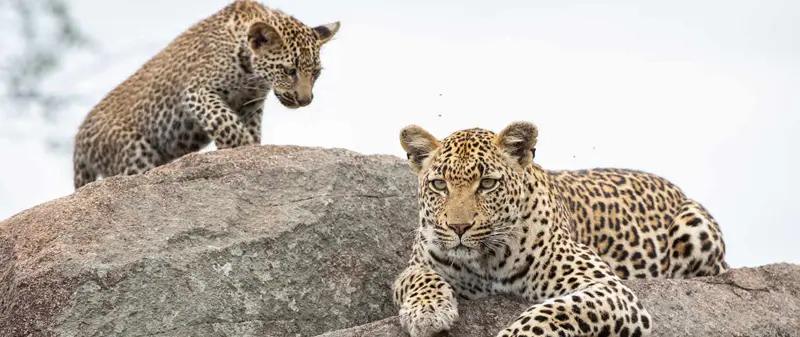
Among the many wildlife destinations across India, Jawai has developed a unique identity that continues attracting photographers, researchers, wildlife enthusiasts, and luxury travelers from around the world. The region is globally recognized for its leopard sightings, rocky landscapes, and peaceful safari experiences, yet what truly fascinates visitors is the unusual behavior of the leopards themselves. Travelers visiting Jawai often notice that the leopards here behave differently compared to predators seen in dense forests or heavily protected national parks. Their movement patterns, interaction with the landscape, comfort around human presence, and visibility within open terrain create a wildlife experience that feels completely distinct from other safari regions in India.
The granite hills of Jawai provide a dramatic natural environment unlike the dense jungles commonly associated with Indian wildlife tourism. Instead of thick forests filled with hidden movement, Jawai consists of open rocky formations, caves, scrub vegetation, water bodies, grazing lands, and scattered rural settlements. Leopards living in this terrain have adapted over generations to survive within a landscape shared with humans, livestock, and village life. This long term coexistence has shaped not only the identity of the region but also the behavioral patterns of its predators.
Travelers staying at Luxury Resorts in Jawai Rajasthan frequently describe safari drives here as calmer and more intimate than traditional wildlife tourism. Instead of rushing through forests searching for a brief glimpse of an elusive animal, Jawai safaris often involve carefully observing the movement of leopards across open hills, resting on granite surfaces, or navigating natural caves and valleys. The visibility of the terrain creates a different emotional connection between travelers and wildlife.
Another reason Jawai’s leopards attract global attention is their unusual tolerance toward nearby human activity. In many wildlife regions, large predators avoid areas close to villages or human settlements, but in Jawai, leopards often move comfortably through landscapes that overlap with rural life. This does not mean the animals are domesticated or harmless. Leopards remain highly intelligent and powerful predators. However, generations of coexistence have created a balance where both humans and wildlife understand each other’s movement patterns and space.
International wildlife photographers especially appreciate Jawai because the behavior of the leopards allows for more natural observation opportunities. The rocky hills provide dramatic visual backdrops, while the animals themselves appear more confident moving through open landscapes compared to heavily pressured wildlife populations elsewhere. This rare combination of landscape and predator behavior has turned Jawai into one of India’s most talked about Leopard Safari Destinations.
Discover the extraordinary world of Jawai, where wild leopards roam freely across ancient granite hills and every safari is guided by patience, respect, and authentic wildlife experiences.
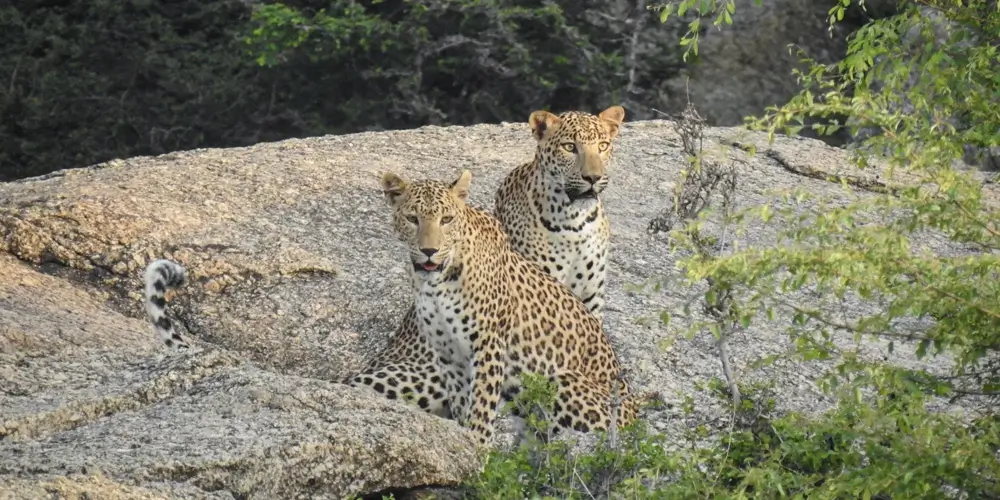
One of the biggest reasons Jawai leopards behave differently lies in the geography of the region itself. The granite hills surrounding Jawai are unlike the dense forests found in tiger reserves and national parks across India. These rocky formations create natural shelters, caves, elevated viewpoints, and hidden movement corridors that perfectly suit leopard survival patterns.
Leopards are naturally adaptable animals capable of surviving in mountains, forests, deserts, and semi-arid environments. In Jawai, the granite terrain offers both security and visibility. Leopards frequently use elevated rocks to observe prey movement, monitor surroundings, and avoid unnecessary conflict. Visitors on Leopard Safari in Jawai Rajasthan often see leopards sitting calmly on hilltops during sunrise or sunset, scanning the landscape from above.
The open terrain changes how these animals move. In dense forests, predators rely heavily on cover and stealth because visibility remains limited. In Jawai, however, leopards can travel confidently across exposed rock surfaces and valleys because the terrain naturally supports quick escape routes through caves and hill crevices. This creates a behavioral pattern that appears calmer and less secretive compared to wildlife living in crowded jungle systems.
Another important factor is the climate. Jawai’s dry and semi-arid conditions influence the daily routines of wildlife. Leopards often become active during cooler hours such as early mornings and evenings, while daytime activity may involve resting inside shaded caves or rocky shelters. Travelers staying at Luxury Wildlife Resorts in Jawai frequently witness how the changing light across granite hills influences leopard movement and visibility.
The hills also reduce direct vehicle pressure compared to safari parks with fixed roads and concentrated tourism zones. Jawai’s landscape allows guides to track wildlife movement more naturally across open terrain rather than forcing vehicles into narrow forest routes. This contributes to a more relaxed safari atmosphere for both animals and visitors.
The dramatic visual identity of Jawai comes directly from these hills. Photographs of leopards resting against massive granite formations have become internationally recognized symbols of the region. The landscape itself shapes not only wildlife behavior but also how travelers emotionally experience the safari.
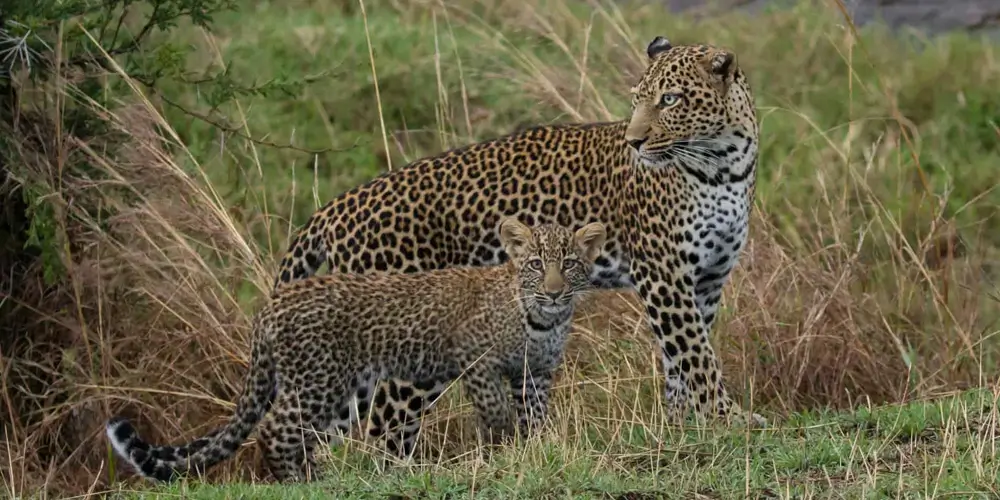
One of the most fascinating aspects of Jawai is the relationship between local communities and leopards. In many wildlife regions around the world, predators and humans exist in constant conflict, but Jawai represents a rare example of long term coexistence. This relationship has significantly influenced leopard behavior across the region.
The Rabari community and other local villagers have lived near these predators for generations. Livestock movement, village activity, grazing lands, temples, and wildlife habitats often overlap within the same landscape. Over time, both humans and leopards adapted to each other’s presence. The animals learned movement patterns around villages, while local communities developed a deep understanding of predator behavior.
Travelers visiting Jawai are often surprised to hear stories about leopards moving near settlements without creating widespread panic. Unlike predators living in heavily disturbed environments, Jawai leopards generally avoid unnecessary confrontation. They remain cautious and intelligent but do not always react with extreme fear toward distant human activity.
This coexistence changes how safari experiences feel. Visitors are not simply observing animals isolated within protected forests. Instead, they witness a broader living ecosystem where wildlife and rural life continue together. The emotional atmosphere becomes very different from commercial wildlife tourism focused purely on sightings.
Researchers and wildlife photographers have shown growing interest in Jawai because coexistence patterns here challenge common assumptions about predator conservation. The region demonstrates that wildlife survival can sometimes depend as much on cultural tolerance as on strict separation between humans and animals.
At the same time, coexistence does not mean complete absence of conflict. Occasional livestock losses do occur, and leopards remain dangerous predators. However, the overall level of tolerance within Jawai remains unusually high compared to many other regions. Spiritual beliefs, historical adaptation, and environmental understanding all contribute to this balance.
Guests staying at Luxury Leopard Safari Resorts in Jawai often describe this coexistence story as one of the most memorable parts of their journey. It transforms the safari from a simple wildlife activity into a deeper understanding of how humans and nature can share space.
Many travelers visiting Jawai notice that leopard sightings here often feel more accessible than in other parts of India. This visibility has several important explanations connected to terrain, behavior, and safari structure.
The open granite landscape naturally improves visibility compared to dense forests where wildlife remains hidden behind vegetation. In Jawai, elevated rocks, sparse tree cover, and open valleys allow guides to track animal movement more effectively. Leopards resting on hillsides or moving across rocky surfaces can sometimes be observed from significant distances without disturbing them.
The animals themselves also appear more comfortable using exposed terrain. In crowded wildlife parks, predators often face intense vehicle pressure and noisy tourism movement. Jawai safaris generally remain quieter and more controlled, creating a calmer environment where wildlife behaves more naturally.
Another factor involves leopard territorial behavior. Leopards in Jawai frequently use familiar caves, resting points, and hill routes repeatedly over time. Experienced guides understand these patterns and can often predict movement based on weather conditions, prey activity, and recent sightings.
The structure of Jawai safaris also contributes to better observation experiences. Instead of focusing only on speed or chasing sightings, many safari drives emphasize patience, tracking, landscape observation, and understanding animal behavior. Travelers spend more time appreciating the environment itself rather than rushing through crowded routes.
International photographers especially value Jawai because the terrain allows for natural composition and dramatic lighting. Leopards photographed against granite landscapes appear visually distinct from wildlife photographed in forests. Sunrise and sunset conditions create extraordinary opportunities for cinematic wildlife imagery.
This visibility has helped Jawai gain strong international recognition through photography, documentaries, and luxury travel media. Images of leopards sitting confidently on ancient granite hills have become iconic representations of the destination.
.webp)
Leopards are widely considered among the most intelligent big cats in the world, and Jawai’s environment highlights this adaptability in remarkable ways. These predators survive not through physical dominance alone but through careful observation, flexible behavior, and strategic movement.
In Jawai, leopards navigate landscapes shared with humans, livestock, other wildlife species, and changing environmental conditions. Their ability to survive in such a mixed use environment demonstrates extraordinary adaptability. They understand terrain advantages, prey movement, safe resting zones, and human activity patterns.
Travelers often notice that Jawai leopards behave with unusual confidence while still maintaining distance and caution. They may remain visible on rocky surfaces for extended periods before quietly disappearing into caves or valleys without noise or panic. This calm movement creates powerful safari moments because the animals appear naturally integrated into the landscape rather than constantly threatened by it.
The intelligence of these predators also becomes visible through hunting behavior. Jawai’s rocky environment requires different strategies compared to dense jungle hunting. Leopards must use elevation, silence, terrain knowledge, and timing to successfully navigate prey opportunities within open surroundings.
Another remarkable aspect involves territorial understanding. Leopards maintain awareness of neighboring predators, human settlements, livestock areas, and safe movement corridors across large landscapes. Their survival depends on balancing caution with territorial confidence.
Wildlife experts increasingly view Jawai as an important case study in predator adaptability. The region demonstrates how leopards can survive outside traditional forest systems when local ecosystems remain balanced and human tolerance exists.
Guests staying at Luxury Wildlife Resorts in Jawai Rajasthan often leave with a completely different understanding of leopards after observing their behavior within this environment. Instead of seeing them only as hidden predators, travelers begin appreciating them as intelligent and highly adaptable animals deeply connected with the landscape around them.
Enjoy ethical leopard safaris designed to observe nature responsibly, offering unforgettable encounters while preserving Jawai's unique ecosystem.
The growing popularity of Jawai among international travelers, photographers, filmmakers, and wildlife enthusiasts is closely connected to the unique behavior of its leopards. Modern luxury travelers increasingly search for destinations offering authentic wildlife experiences without excessive commercialization. Jawai fits this demand perfectly.
Unlike crowded safari circuits dominated by mass tourism, Jawai still feels relatively untouched. Visitors can experience dramatic landscapes, luxury accommodation, peaceful safari drives, and meaningful wildlife observation within the same journey.
The region also appeals strongly to travelers seeking emotional connection rather than checklist tourism. Watching a leopard move across ancient granite hills during sunset creates a completely different atmosphere from conventional safari experiences. The coexistence between humans and predators adds additional cultural depth rarely found in other wildlife destinations.
Luxury travel companies increasingly include Jawai within premium Rajasthan itineraries because it offers exclusivity, privacy, and visual uniqueness. Travelers moving between Udaipur, Jodhpur, and Jawai often describe the destination as one of the most memorable parts of their India journey.
The future of Jawai’s wildlife identity will depend heavily on maintaining ecological balance and responsible tourism practices. Over commercialization could easily damage the peaceful atmosphere that currently defines the region. Sustainable safari operations, controlled development, and respect for local communities remain essential for preserving Jawai’s uniqueness.
For travelers staying at Jawai Nature Stay, understanding why these leopards behave differently adds deeper meaning to every safari experience. The destination becomes more than a wildlife trip. It becomes an opportunity to witness one of India’s most extraordinary examples of adaptation, coexistence, and natural balance.
The combination of open landscapes, natural leopard behavior, silence, and human coexistence creates a rare and memorable wildlife experience.
Yes, Jawai is increasingly included in luxury Rajasthan travel itineraries and attracts travelers from around the world.
Photographers appreciate Jawai for its dramatic granite backdrops, natural lighting, and opportunities to photograph leopards in open landscapes.
Jawai safaris focus on rocky landscapes, open terrain, leopard observation, and peaceful wildlife experiences rather than crowded forest tourism.
Leopards remain wild predators and should always be respected, although coexistence in Jawai has remained relatively peaceful for generations.
Yes, many leopards in Jawai move near rural settlements and grazing lands while maintaining distance from humans.
The granite hills and open terrain improve visibility, while experienced safari guides understand regular leopard movement patterns.
Yes, Jawai is widely considered one of the top destinations for leopard safaris because of frequent sightings and dramatic landscapes.
The open rocky terrain, lower tourism pressure, and long-term coexistence with local communities influence their behavior differently compared to dense forest predators.
Jawai leopards are famous for their visibility, coexistence with humans, and unique behavior within the granite hill landscapes of Rajasthan.

Planning to visit Jawai? Need help with your stay or safari?
Get free, expert assistance from our team — no pressure, just honest guidance.
Any query? Write us mail.
info@jawainaturestay.com
Call to Inquire (08:00 - 20:00 hrs)
+91 9257995999
Talk to Experts
Whatsapp