
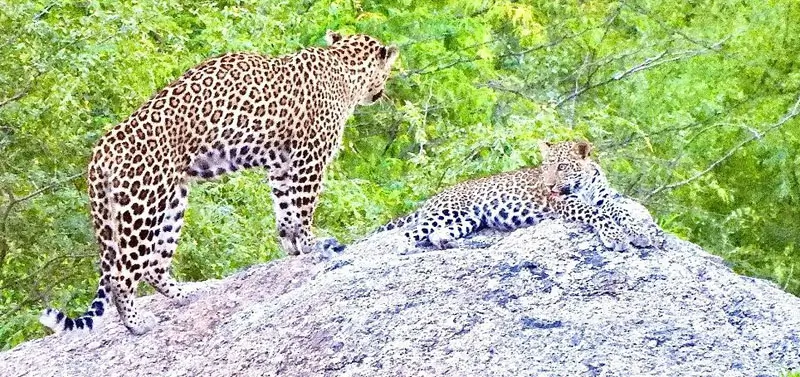
Rajasthan is a land where wilderness and royalty walk hand in hand. Among its many wildlife treasures, two destinations dominate conversations – Jawai Leopard Safari and Ranthambore Tiger Reserve. Both promise adventure, but their charm lies in completely different worlds.
While Ranthambore represents grandeur, popularity, and tiger majesty, Jawai stands for privacy, peace, and the thrill of spotting leopards in their natural rocky habitat. This comparison unravels the essence of each destination and helps travelers choose what fits their wildlife dreams better.
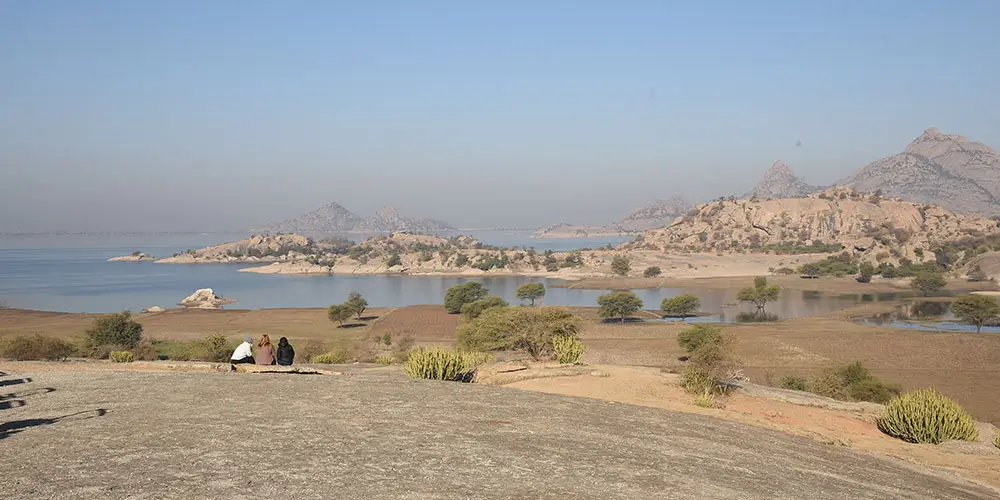
Tucked amid granite hills and shimmering water bodies, Jawai is an emerging paradise for wildlife photographers and luxury travelers. The region lies near Pali in southern Rajasthan, and what makes it special is its perfect harmony between people and predators. Here, leopards live freely in the open wilderness around villages, far from dense forests or cages of tourism.
When you go on a Jawai Leopard Safari, you don’t just chase wildlife; you witness coexistence. The local Rabari tribes, dressed in traditional red turbans, graze cattle fearlessly among the same rocks that leopards call home. This rare coexistence defines Jawai’s spirit — a silent agreement between humans and nature.
Every drive across Jawai feels cinematic — early morning fog rising over the Jawai Bandh, birds taking flight across the reservoir, and the sudden movement of a spotted cat emerging from rocks. There’s no crowd, no rush, no queue of jeeps. It’s just you, nature, and the pulse of the wild.
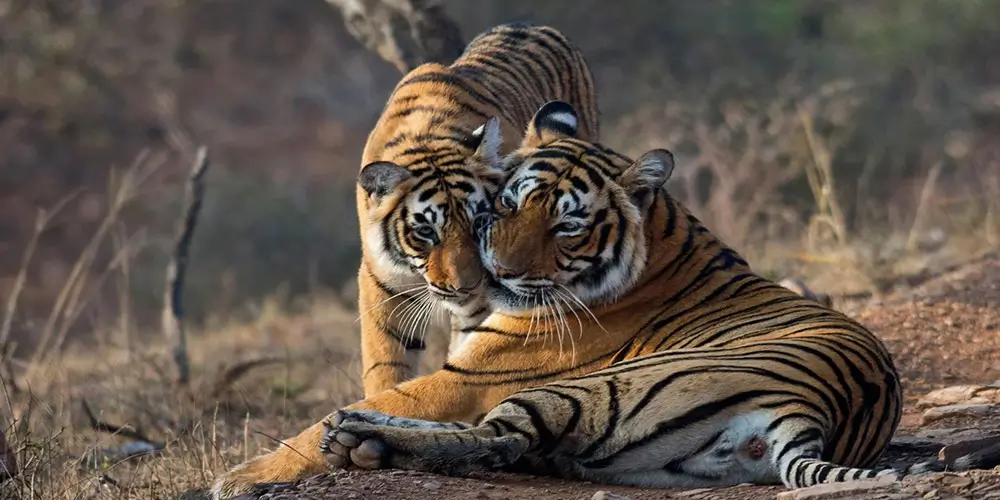
Located in Sawai Madhopur, Ranthambore National Park is among India’s oldest and most celebrated tiger reserves. Its vast forest area, ancient fort ruins, and lakes form a dramatic backdrop for tiger sightings.
Ranthambore has long been on the global wildlife map, and with fame comes footfall. Hundreds of vehicles line up daily for safaris across its zones. For some, this popularity adds to the excitement; for others, it takes away the raw charm.
Unlike the intimate terrain of Jawai, Ranthambore’s safaris are structured, timed, and more commercial. Yet, it remains an essential destination for travelers who wish to see India’s most iconic predator – the Royal Bengal Tiger.
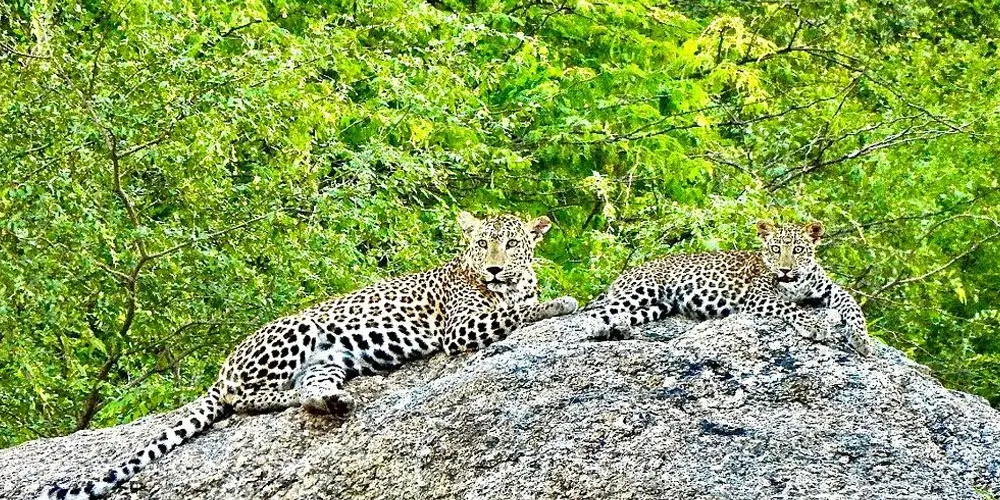
The biggest difference between these destinations lies in the stars they host. Jawai is the kingdom of leopards, while Ranthambore belongs to tigers.
Leopards are naturally elusive, but Jawai’s open terrain makes sightings far more frequent. The granite cliffs and rocky hills create perfect camouflage, allowing guides to track and spot leopards almost daily.
Tigers in Ranthambore, though majestic, are often harder to spot due to thick vegetation and restricted safari routes. Many visitors leave without a sighting, depending entirely on luck and zone allocation. In Jawai, the success rate is remarkably high — sometimes up to 90% leopard sightings in a two-day trip.
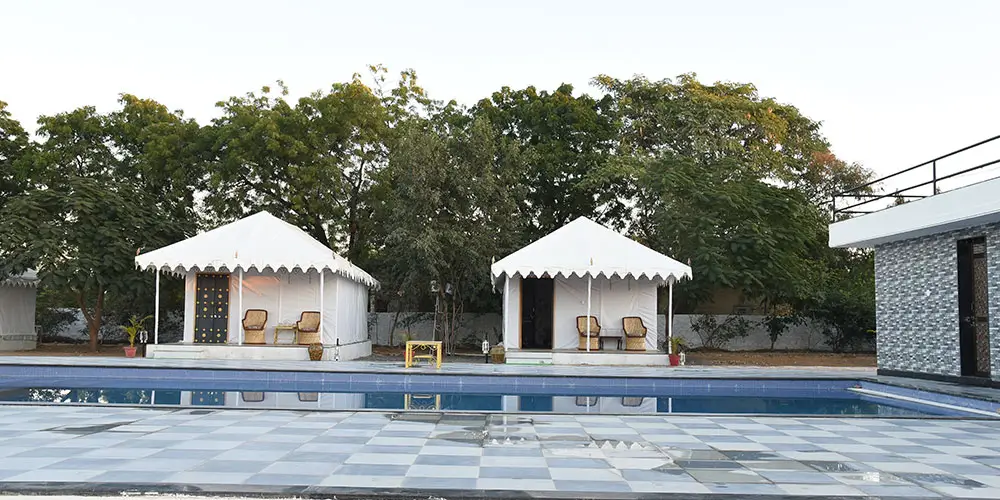
For those seeking serenity, Jawai is unmatched. Its safaris operate in semi-private zones, away from the tourist chaos. Luxury tents in Jawai offer personalized experiences with private butlers, custom safari timings, and sundowner setups near the dam.
Ranthambore’s high tourist volume means shared safari vehicles, pre-fixed routes, and limited flexibility. In contrast, Jawai offers tailor-made safaris, night drives, and offbeat trails through rocky terrain — creating a sense of ownership over your adventure.
For honeymooners, photographers, or families wanting exclusivity, Jawai Leopard Safari gives a far more intimate and refined experience.
Plan your spiritual journey with our experts and explore the divine heritage of India's ancient temples.
Ranthambore boasts royal lodges and palace-style resorts — grand, opulent, and themed around Rajput architecture. Jawai, on the other hand, celebrates eco-luxury — luxury that breathes nature.
The luxury tents in Jawai feature earthy tones, open decks, and views of the Aravalli hills. Candle-lit dinners by the water, organic cuisine sourced from local farms, and silence broken only by the chirping of birds make it pure bliss.
This is not luxury for show; it’s luxury in simplicity, rooted in sustainability and comfort. Guests come here to disconnect from chaos and reconnect with nature.
Ranthambore is easily reachable by train from Delhi and Jaipur, making it ideal for short wildlife getaways. Jawai, located between Udaipur and Jodhpur, offers a scenic drive through countryside Rajasthan.
The distance from Udaipur to Jawai is about 150 km (approx. 3.5 hours), and from Jodhpur, around 180 km. Many travelers combine it with Udaipur or Mount Abu for a well-rounded trip.
Despite being offbeat, Jawai’s infrastructure has grown rapidly, making it equally convenient while preserving its exclusivity.
Ranthambore’s fort ruins, dense forests, and lakes create a regal frame for tiger photography. Jawai, meanwhile, is pure drama — the golden light of dawn on grey boulders, a leopard silhouette at dusk, reflections of water and sky in the dam.
For photographers, Jawai is heaven. The unobstructed terrain allows better lighting, angles, and moments without disturbance. Wildlife photography workshops in Jawai are gaining traction among professionals worldwide.
The success of Jawai as a wildlife destination is a lesson in coexistence. Instead of fences or restrictions, the community protects leopards through respect and understanding. The Rabaris consider the leopards sacred — a belief that ensures harmony without conflict.
Ranthambore follows stricter forest management rules under the National Tiger Conservation Authority, focusing on preserving tiger habitats. Jawai’s success, however, lies in community-driven conservation, a model admired globally.
Choose Jawai if you seek tranquility, offbeat charm, private safaris, and authentic interaction with nature.
Choose Ranthambore if you love grandeur, heritage, and want to witness tigers in a dramatic forest setting.
For those who’ve explored Ranthambore already, Jawai feels like discovering a secret — intimate, soulful, and beautifully balanced.
Over the last few years, Jawai has redefined what a wildlife vacation means. It blends wildlife, culture, sustainability, and personalized luxury — something even the biggest parks can’t replicate.
It’s not just about seeing a leopard; it’s about understanding coexistence, supporting local communities, and leaving footprints that don’t harm nature.
This balance of adventure and responsibility is what makes Jawai Leopard Safari truly one of a kind.
It is situated in the Pali district of Rajasthan, between Udaipur and Jodhpur.
The distance is roughly 400 km, which takes around 7–8 hours by road.
From October to April, when the climate is pleasant and visibility is excellent.
Yes, the open rocky terrain allows frequent leopard sightings, often twice a day.
There are luxury tents in Jawai and eco-resorts near the reserve offering private safaris.
Crocodiles, migratory birds, hyenas, foxes, and blue bulls (nilgai) are common.
Ranthambore offers structured forest safaris focused mainly on tigers within zoned areas.
Absolutely. It’s peaceful, safe, and offers personalized experiences ideal for families.
Yes, many travelers combine Jawai Leopard Safari with Udaipur, Jodhpur, or Kumbhalgarh.
For privacy, luxury, high leopard sighting chances, and a soulful experience close to nature.
Planning to visit Jawai? Need help with your stay or safari?
Get free, expert assistance from our team — no pressure, just honest guidance.
Any query? Write us mail.
info@jawainaturestay.com
Call to Inquire (08:00 - 20:00 hrs)
+91 9257995999
Talk to Experts
Whatsapp