
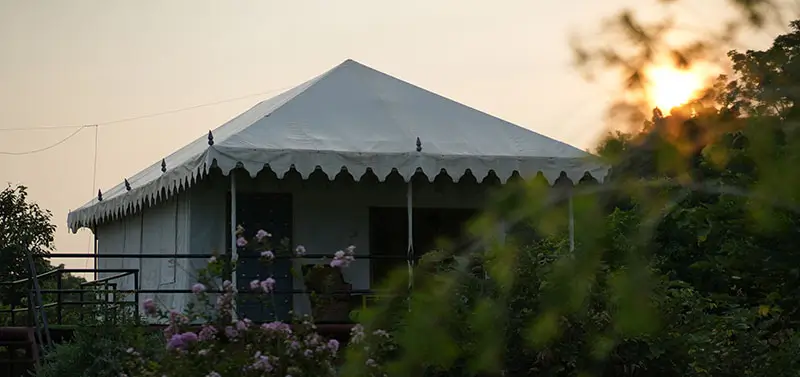
There are few places in Rajasthan where time slows down so gracefully as it does at Jawai Dam. Built across the Jawai River in the mid-20th century, this grand reservoir does more than store water — it mirrors the beauty of the Aravalli hills, shelters migratory birds, and reflects the golden light of dawn and dusk like a living canvas.
For photographers, nature lovers, and peace seekers alike, Jawai Dam is pure magic. As the sun rises above the rocky horizon or sets behind the leopard hills, every ripple of water turns into liquid gold. The silence, interrupted only by the flap of a bird’s wing, makes this destination one of the most enchanting corners of Rajasthan.
Located near Bera in Pali district, Jawai Dam spreads majestically across the rugged terrain of southern Rajasthan. Its scenic backdrop of granite hills, calm waters, and open skies creates a visual harmony that feels surreal. Unlike crowded tourist lakes, Jawai remains serene — allowing you to stand quietly, breathe, and absorb nature’s rhythm.
The dam is not just a sightseeing point; it’s the lifeline of the region. It sustains wildlife, supports local agriculture, and shapes the identity of nearby villages. During early mornings and evenings, it becomes a theatre of colors — pink skies, blue reflections, and the golden glow that photographers chase all their lives.
Before dawn, the air around Jawai Dam is crisp, carrying the scent of wet earth and grass. As light begins to seep over the horizon, the still surface of the water transforms into a mirror. The Jawai Hills turn amber, and mist curls softly around them, creating dreamlike layers perfect for wide-angle shots.
Birds are the first to move — flamingos, cranes, and pelicans gliding over the dam with their reflections doubling the beauty. For photographers, this hour is paradise. Long exposures capture gentle ripples, while silhouettes of Rabari herders leading cattle across the dam’s edge add timeless character to each frame.
A perfect morning at Jawai Dam isn’t about rushing for a picture. It’s about waiting for that exact moment when light kisses the water and silence becomes poetry.
If sunrise feels like hope, sunset in Jawai feels like surrender. The sky melts into shades of orange, violet, and crimson, reflecting on the wide expanse of the dam. The silhouettes of granite cliffs and distant trees create dramatic compositions.
Evenings often bring soft winds that ripple the water’s surface, scattering the colors of the sky. Sometimes you can see leopards descending from hills to drink, or crocodiles floating lazily under the dying light. For a wildlife photographer, this golden hour offers a frame of serenity with a touch of wild unpredictability.
The best sunset views are often from the dam wall or small hillocks nearby, where you can watch light fade gently over the Aravallis. Each passing minute paints a new shade until night arrives with a sky full of stars.
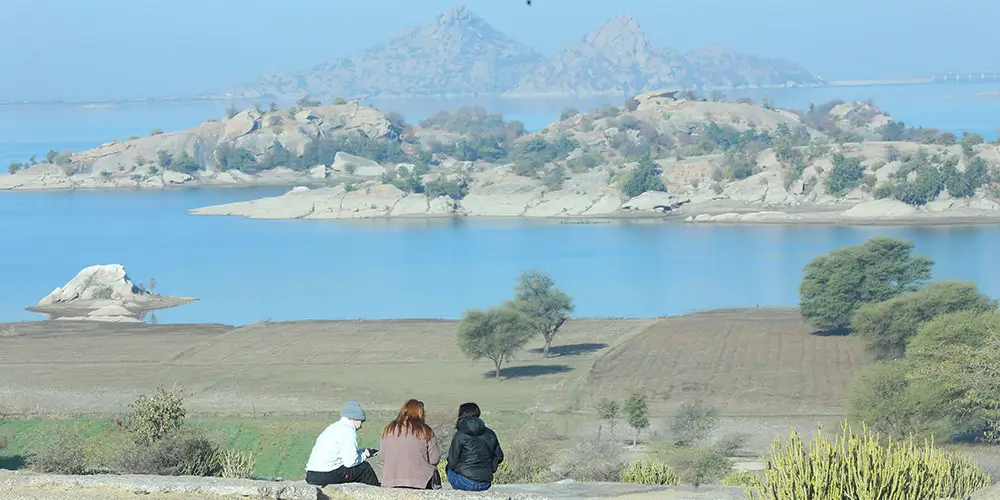
Photography in Jawai Bandh is not limited to landscapes. The region offers textures, patterns, and life in every corner — from bird formations against the dawn sky to reflections of camels crossing the banks. The contrast between calm water and rugged rock gives depth to every picture.
For beginners, sunrise is ideal for soft natural light and balanced exposure. Professionals often favor twilight hours to capture silhouettes and reflections. A tripod, polarizing filter, and patience are your best companions here.
But beyond technique, Jawai rewards those who see with emotion. Every image you take here tells a story — of peace, coexistence, and the simple beauty of unspoiled nature.
The area surrounding Jawai Dam teems with life. Early risers can spot flocks of migratory birds like flamingos, spoonbills, and bar-headed geese. Crocodiles sunbathe on the shallow banks, while nilgai and chinkara graze on nearby plains.
The most thrilling yet rare sight is of leopards near the dam, particularly during the cooler months when they move closer to the water. Spotting a leopard against the sunset glow is a frame that stays with you forever.
Such biodiversity makes Jawai Dam more than a photography site — it’s a living ecosystem where every sunrise and sunset unfolds a new scene.
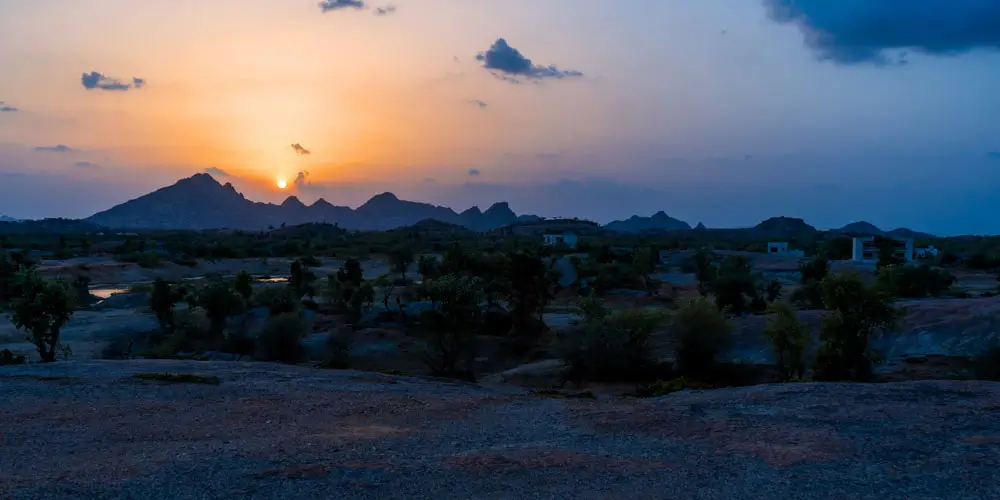
For the best sunrise photography, head to the eastern side of the dam. The elevated rocky mounds offer a panoramic view where the first rays touch the water. Early morning fog adds mystique, perfect for landscape shots.
For sunset views, the western embankment and small trails leading up the Jawai Hills give you the perfect vantage. Here, the sun sets directly behind the granite formations, casting golden reflections on the lake.
Most luxury camps arrange guided drives to these spots, often with coffee baskets at sunrise and sundowner setups at dusk — blending comfort with photography perfection.
Unlike lakes in Udaipur or Pushkar, Jawai Bandh has no commercial noise, no tourist boats honking, no chaos. The only sounds you hear are the whispers of wind and the soft hum of birds. This silence amplifies everything — the rustle of grass, the splash of a fish, the distant call of a peacock.
It’s in these quiet moments that Jawai’s soul reveals itself. Photographers call it “golden silence” — an atmosphere where each frame feels sacred. Travelers who come here once often return just to relive that tranquility.
Need help planning your visit? Contact us anytime.
When the last ray of sunlight fades, Jawai Dam gifts one more spectacle — its night sky. With almost zero light pollution, it becomes a perfect stargazing spot. The Milky Way arches visibly across the horizon during winter months, and the reflection of stars on the water creates a surreal scene.
Some eco-lodges organize night photography workshops, teaching guests how to capture star trails and long-exposure landscapes. For anyone who loves the art of stillness, this combination of water and stars is unforgettable.
The charm of Jawai Dam lies in its untouched beauty. Travelers are encouraged to maintain its purity — avoid littering, keep voices low, and respect wildlife. Drones should be used only with permission to prevent disturbing birds and animals.
Support local guides and eco-camps that follow ethical practices. Remember, every photograph you take here carries responsibility — to portray nature respectfully and to protect what makes it magical.
The prime months are October to April, when skies are clear, temperatures pleasant, and bird activity high. November and February offer the best light for both sunrise and sunset.
During monsoon (July-September), the dam fills completely, and greenery surrounds the region — a treat for landscape photographers. However, safaris may be limited then.
Its open landscape, reflection on water, and dramatic granite hills create perfect golden-hour lighting.
Tripods are allowed freely; drones require prior approval from authorities or your resort.
Migratory birds, crocodiles, leopards, nilgai, and foxes are commonly sighted around the dam.
Arrive 30-45 minutes before dawn to set up equipment and capture the changing hues.
Yes, several eco-camps and luxury lodges in Jawai organize professional photo tours.
Yes, the area is safe and ideal for families seeking peaceful outdoor experiences.
Limited eco-boating is available in designated areas with local permission.
November through February provide the clearest skies and vivid color transitions.
Yes, paved roads lead up to viewing points; 4x4 vehicles are recommended for nearby trails.
Because it blends untouched nature, wildlife diversity, and light perfection — offering frames that feel alive.
Planning to visit Jawai? Need help with your stay or safari?
Get free, expert assistance from our team — no pressure, just honest guidance.
Any query? Write us mail.
info@jawainaturestay.com
Call to Inquire (08:00 - 20:00 hrs)
+91 9257995999
Talk to Experts
Whatsapp