
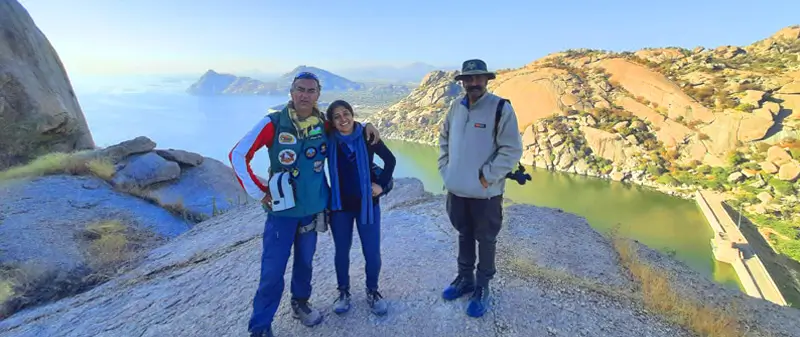
Among the many hidden landscapes of Rajasthan, Jawai Dam stands as one of the most fascinating combinations of engineering, wilderness, history, and natural beauty. Located in the Pali district of Rajasthan, the dam has gradually become one of the defining landmarks of the Jawai region. While international travelers often recognize Jawai for its leopard safaris, granite hills, and luxury wildlife resorts, the story of Jawai Dam itself remains equally important in shaping the identity of this remarkable destination.
The presence of water in Rajasthan has always carried enormous significance. In a state widely associated with dry terrain, desert landscapes, and extreme climate conditions, large water reservoirs become essential for agriculture, wildlife survival, village life, and regional development. Jawai Dam transformed not only the environmental landscape of the region but also its social and economic structure. Over time, the reservoir created by the dam became deeply connected with wildlife movement, migratory bird populations, local communities, and eventually tourism itself.
Today, travelers staying at Luxury Resorts in Jawai Rajasthan frequently visit the dam area as part of safari experiences, sunset drives, birdwatching tours, and countryside exploration. The calm water body surrounded by granite hills creates a visual atmosphere completely different from traditional desert imagery often associated with Rajasthan. During sunrise and sunset, the landscape around the dam becomes especially dramatic, with reflections of rocky formations appearing across the water while birds move through the surrounding wetlands.
The region around Jawai Dam has also become ecologically important. Water availability attracted wildlife species ranging from crocodiles and migratory birds to leopards and smaller mammals. The surrounding hills and forests gradually evolved into one of Rajasthan’s most unique coexistence zones where predators, local communities, livestock, and tourism all remain connected within the same landscape.
Another reason Jawai Dam has gained increasing popularity is because modern travelers are searching for destinations that combine nature, wildlife, rural atmosphere, and authentic landscapes instead of only urban tourism experiences. Jawai provides this rare combination naturally. The dam itself acts as a central feature around which much of the region’s environmental and tourism identity developed.
Visitors exploring Jawai often realize that the region’s beauty is not limited only to leopard sightings. The reservoir, granite hills, villages, migratory birds, and wilderness atmosphere together create a complete ecosystem that feels peaceful, cinematic, and emotionally calming.
Understanding the history and importance of Jawai Dam helps travelers appreciate why this destination has become one of Rajasthan’s most unique luxury wildlife regions.
Explore the remarkable story of Jawai Dam, where history, breathtaking landscapes, thriving wildlife, and luxury experiences come together to create one of Rajasthan's most extraordinary destinations.
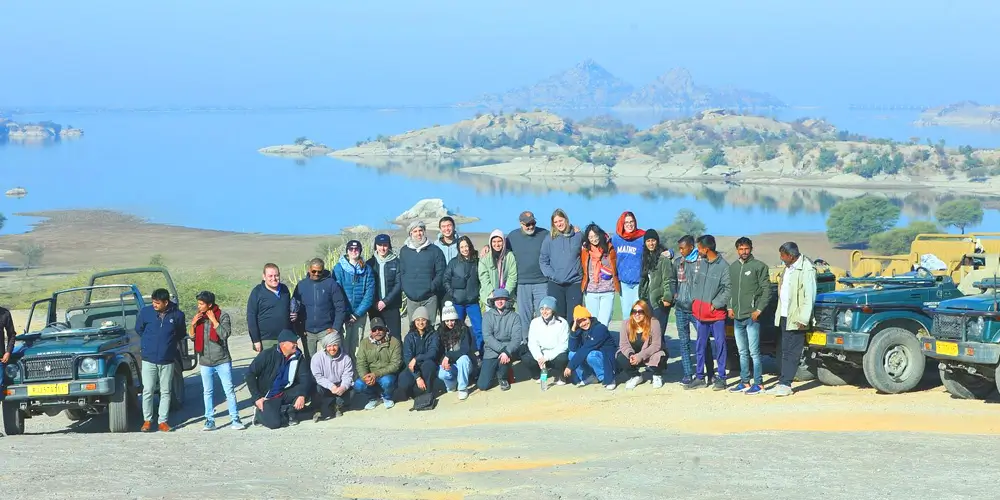
The construction of Jawai Dam was one of the most significant engineering projects undertaken in western Rajasthan during the early modern development period of the region. Built across the Jawai River, the dam was designed primarily to improve water storage, irrigation support, and long term regional sustainability in an area heavily affected by dry climatic conditions.
Before the construction of large water systems, many villages across Rajasthan struggled with unpredictable rainfall, limited agricultural productivity, and seasonal water shortages. Water conservation has historically been central to survival in Rajasthan, leading to the development of lakes, stepwells, reservoirs, and dams across different regions of the state.
Jawai Dam emerged as an important solution for improving water availability in surrounding districts. Once completed, the reservoir began supporting agriculture, local settlements, livestock needs, and groundwater stability across multiple areas. The project significantly influenced economic life in nearby rural communities by improving irrigation opportunities and creating more reliable access to water resources.
The structure itself became one of the largest dams in western Rajasthan. Over time, the surrounding environment transformed dramatically because of the stable water body created by the reservoir. Vegetation patterns improved, wildlife movement increased, and the area gradually developed into a more ecologically diverse landscape.
Travelers visiting Jawai today often find it difficult to imagine how different the region once looked before the reservoir existed. The water body now appears deeply integrated into the natural environment, attracting birds, animals, photographers, and tourists throughout different seasons.
Another important aspect of the dam’s history is its connection with local communities. Villages around Jawai developed long term economic and cultural relationships with the reservoir. Fishing activity, agriculture, livestock care, and water based livelihoods all became connected with the dam’s presence.
Guests staying at Luxury Wildlife Resorts in Jawai frequently explore these surrounding rural landscapes during sightseeing tours and safari experiences. The history of the dam adds depth to the destination because visitors realize the region is not only about wildlife tourism but also about environmental transformation and human adaptation.
The development of Jawai Dam ultimately shaped much of the modern identity of the region itself.
.webp)
One of the most remarkable impacts of Jawai Dam has been its influence on the local ecosystem. The creation of a permanent water reservoir transformed the surrounding environment into a much richer habitat for wildlife and birdlife. In arid regions like Rajasthan, water availability strongly affects vegetation, prey movement, migratory patterns, and overall biodiversity.
The reservoir created favorable conditions for numerous animal species. Birds began using the area as a seasonal habitat, while nearby forests and granite hills supported growing wildlife activity. Crocodiles, migratory birds, foxes, hyenas, nilgai, and smaller mammals gradually became more common within the ecosystem surrounding the dam.
The relationship between Jawai Dam and the region’s famous leopards is also important. Although leopards primarily inhabit the granite hills and rocky terrain surrounding Jawai, access to stable water sources supports broader ecological balance throughout the region. Prey movement near water zones contributes indirectly to predator survival patterns.
Travelers on Leopard Safari in Jawai Rajasthan often combine wildlife drives with visits near the reservoir because the area supports diverse animal activity. Birdwatchers especially appreciate the ecological richness created around the water body.
Migratory birds have become one of the most attractive natural features of Jawai Dam. During certain seasons, the reservoir attracts species traveling across long migration routes. Pelicans, flamingos, cranes, geese, and numerous water birds create extraordinary visual scenes around the wetlands and shoreline areas.
The calm water combined with granite hills creates ideal conditions for landscape photography and wildlife observation. International photographers frequently visit Jawai not only for leopards but also for the diversity of birdlife supported by the reservoir ecosystem.
Another important ecological effect involves vegetation growth around water zones. Areas surrounding the dam support greener landscapes compared to drier open terrain elsewhere in Rajasthan. This variation creates environmental diversity beneficial for both wildlife and local communities.
The presence of water also contributes emotionally to the atmosphere of Jawai itself. Travelers often describe the combination of rocky hills and calm reservoir views as peaceful and visually striking. The contrast between granite wilderness and reflective water surfaces creates scenery unlike most other regions in Rajasthan.
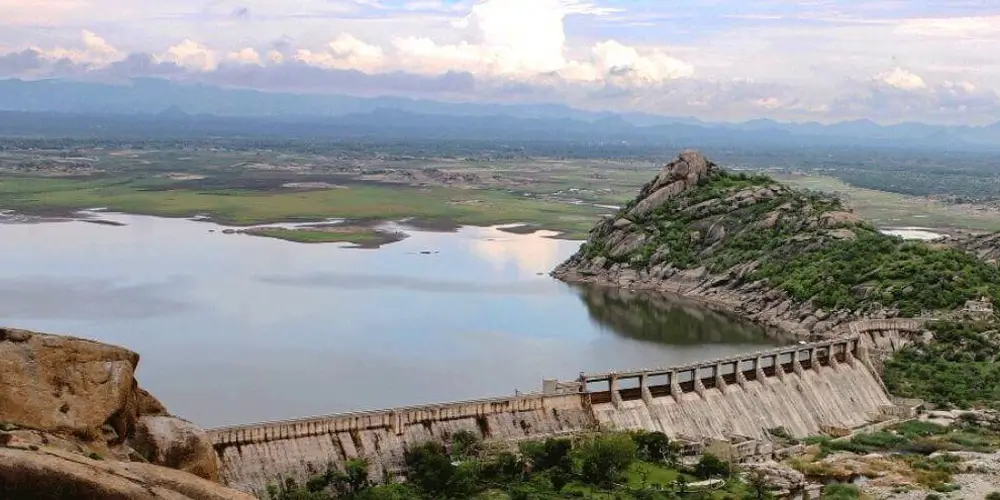
Beyond tourism and wildlife, Jawai Dam remains deeply important for the everyday lives of surrounding communities. Water availability continues influencing agriculture, livestock care, domestic usage, and economic stability across nearby villages.
Rural Rajasthan historically depended heavily on seasonal rainfall, making water storage infrastructure essential for long term survival. Jawai Dam improved irrigation support across large areas, helping farmers cultivate crops more reliably compared to earlier conditions.
Livestock communities such as the Rabari tribe also benefit from water availability in the region. Grazing routes, animal health, and rural livelihoods all remain connected with stable environmental conditions supported by the reservoir ecosystem.
Travelers staying at Luxury Resorts in Jawai Rajasthan often observe how closely village life remains connected with the landscape. Unlike urban tourist destinations separated from local realities, Jawai still functions as a living rural environment where water, agriculture, wildlife, and tourism remain interconnected.
Fishing activity around the reservoir has also contributed economically to nearby communities over time. Local markets and livelihoods continue depending on the broader ecosystem created by the dam.
Another important aspect involves cultural identity. Over generations, the reservoir became part of regional life and local memory. Villages developed around changing environmental conditions, and the water body gradually integrated itself into everyday routines and traditions.
Tourism growth in Jawai created additional opportunities connected indirectly with the dam. Birdwatching tours, photography excursions, safari routes, and countryside experiences now attract travelers interested in exploring the wider landscape beyond leopard sightings alone.
This relationship between environmental infrastructure and tourism demonstrates how natural and human systems evolved together in Jawai. The dam supports not only water storage but also the emotional atmosphere and ecological richness that define the region today.
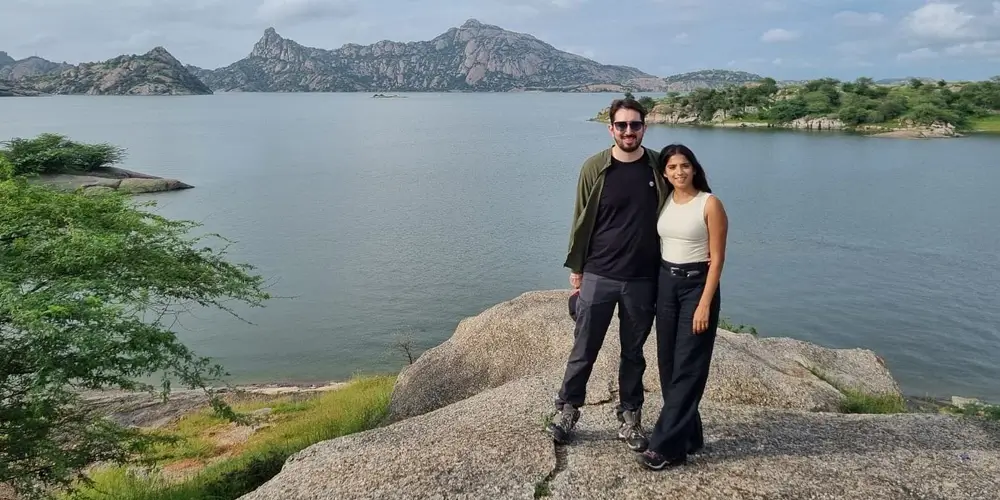
Modern luxury travelers increasingly search for destinations offering emotional calmness, natural beauty, and authentic environmental experiences. Jawai Dam naturally supports these expectations because the area feels peaceful, visually dramatic, and connected with wildlife.
Guests staying at Luxury Leopard Safari Resorts in Jawai often visit the reservoir during sunrise and sunset when the atmosphere becomes especially beautiful. Reflections across the water, bird movement, changing sky colors, and surrounding granite hills create extraordinary scenery ideal for photography and relaxation.
Unlike crowded urban tourist spots, the reservoir area allows visitors to experience open landscapes and silence. Many travelers describe these moments near the dam as emotionally refreshing because the environment feels untouched and spacious.
Birdwatchers particularly value Jawai because the reservoir attracts significant avian diversity. International travelers interested in wildlife photography frequently combine leopard safaris with birding excursions around the dam.
The reservoir also adds variety to the Jawai travel experience. Instead of focusing only on safari drives, visitors can enjoy nature exploration, countryside walks, photography tours, cultural interaction, and peaceful lakeside landscapes within the same destination.
Another reason travelers appreciate the area is because it represents a different image of Rajasthan. International visitors often arrive expecting desert scenery but discover granite hills, wetlands, migratory birds, and lush seasonal landscapes surrounding the reservoir.
Luxury hospitality in Jawai increasingly incorporates these environmental experiences into guest itineraries. Outdoor breakfasts, sunset drives, birdwatching tours, and scenic viewpoints near the dam create memorable moments beyond traditional sightseeing.
The emotional atmosphere of the reservoir plays a major role in Jawai’s growing popularity among luxury travelers searching for slower and more meaningful travel experiences.
From its fascinating history to its vibrant wildlife, discover how Jawai Dam became the heart of one of Rajasthan's most unique eco-tourism destinations.
As Jawai gains international recognition, the reservoir area continues becoming an increasingly important part of the destination’s tourism identity. The combination of wildlife, water landscapes, granite hills, rural culture, and luxury hospitality creates a travel experience unlike mainstream Rajasthan tourism circuits.
Travelers today increasingly value destinations where landscapes still feel authentic rather than over commercialized. Jawai remains attractive because the environment continues functioning naturally despite growing tourism activity.
The dam area especially reflects this authenticity. Local villages, migratory birds, wildlife movement, fishing activity, and open wilderness still coexist within the same ecosystem. Visitors experience Jawai as a living environment rather than a purely constructed tourist attraction.
Photography tourism has also contributed strongly to the popularity of Jawai Dam. Landscape photographers, wildlife filmmakers, and social media creators frequently showcase the reservoir’s dramatic visual atmosphere.
Responsible tourism will remain essential for preserving the ecological balance surrounding the reservoir. Sustainable hospitality practices, wildlife protection, controlled development, and community involvement are necessary to protect the natural beauty that currently defines Jawai.
Guests staying at Jawai Nature Stay often realize that the region’s appeal comes from the balance between water, wilderness, granite hills, wildlife, and rural life. Jawai Dam remains central to this balance, shaping both the environmental identity and emotional atmosphere of the destination.
The story of Jawai Dam is ultimately much larger than engineering alone. It is the story of how water transformed landscapes, wildlife, communities, and tourism within one of Rajasthan’s most remarkable regions.
The peaceful atmosphere, natural beauty, birdlife, and scenic landscapes create a relaxing and memorable travel experience.
Jawai combines granite hills, water landscapes, wildlife, villages, and greenery instead of only desert scenery.
Yes, the broader ecosystem surrounding the dam contributes to wildlife activity and tourism experiences in Jawai.
The dam improved irrigation, water storage, agriculture, livestock support, and rural economic stability.
Migratory birds such as flamingos, cranes, pelicans, geese, and various water birds are commonly seen near the reservoir.
Photographers visit for wildlife photography, birdwatching, granite landscapes, and scenic sunrise and sunset views.
Yes, many safari experiences and sightseeing tours include visits near the Jawai Dam area.
Yes, the reservoir supports birds, crocodiles, prey movement, and ecological balance throughout the Jawai region.
Jawai Dam is famous for its scenic landscapes, wildlife ecosystem, migratory birds, and connection with Jawai tourism and leopard safaris.
Jawai Dam is located in the Pali district of Rajasthan near the famous Jawai leopard safari region.
Planning to visit Jawai? Need help with your stay or safari?
Get free, expert assistance from our team — no pressure, just honest guidance.
Any query? Write us mail.
info@jawainaturestay.com
Call to Inquire (08:00 - 20:00 hrs)
+91 9257995999
Talk to Experts
Whatsapp