
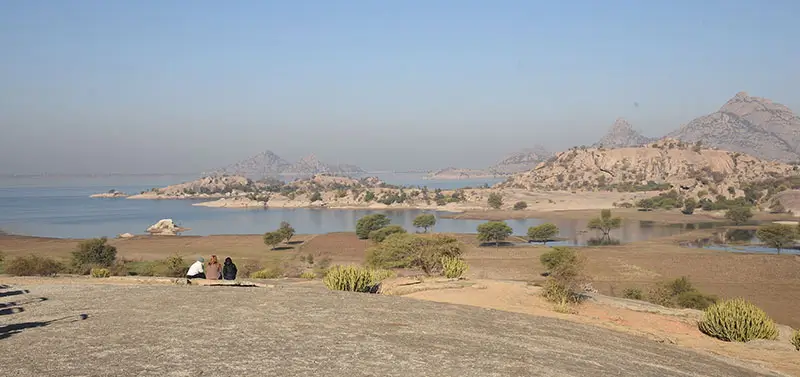
When travelers hear about Rajasthan, they usually think of deserts, forts, and palaces. Yet hidden in Pali district of Rajasthan lies a structure that has shaped the region’s history, culture, and wildlife — the Jawai Bandh (Jawai Dam). Built in the mid-20th century, Jawai Bandh is not only the largest dam in western Rajasthan but also a hub for wildlife tourism, especially leopard safaris. Today, it is as much a symbol of engineering as it is of harmony between nature and humans. This blog explores the history, legacy, and wildlife importance of Jawai Bandh Rajasthan, making it essential reading for travelers and wildlife lovers alike.
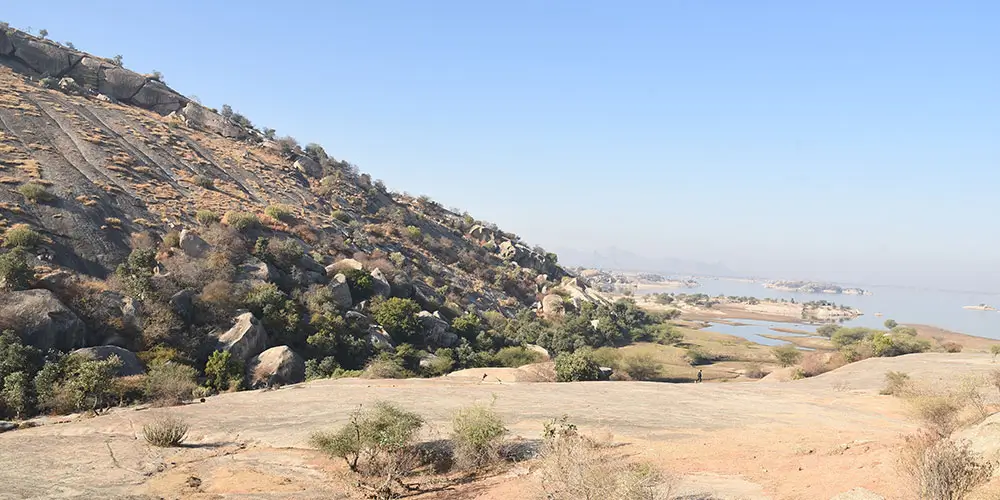
The story of Jawai Bandh begins in the 1940s and 1950s, when Rajasthan was facing severe water scarcity. The government planned a dam on the Jawai River, a tributary of the Luni River, to provide irrigation and drinking water to Pali and Jalore districts. Construction of the dam started in 1946 and was completed in 1957, making it one of the earliest large-scale irrigation projects in Rajasthan.
The dam was built using a mix of modern engineering and local labor, symbolizing the resilience of the people in this dry region. Its primary purpose was irrigation, transforming thousands of hectares of barren land into fertile farmland. Over time, however, the reservoir created by Jawai Bandh became an ecological hotspot, attracting birds, crocodiles, and eventually tourists from across the world.
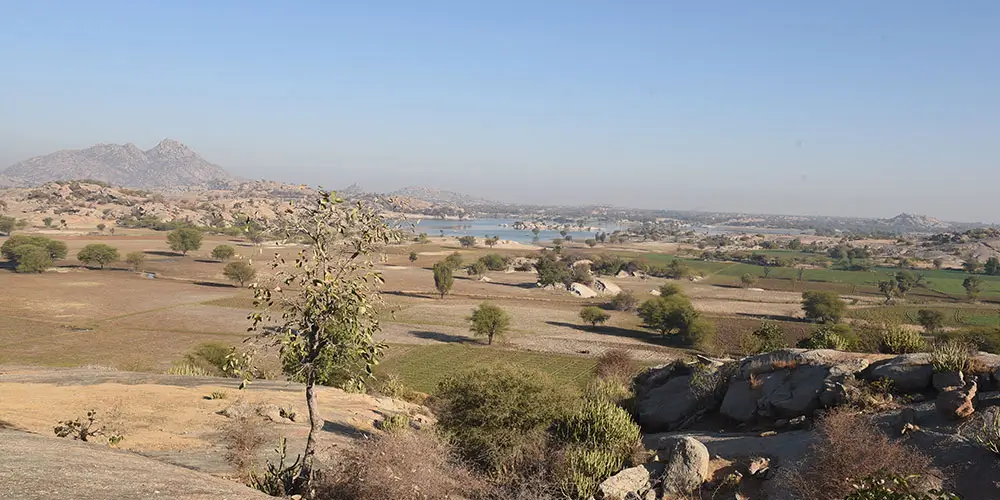
Though not as tall as other Indian dams, Jawai Bandh holds significance because of its strategic design. With a length of more than 1,400 meters and a catchment area of around 500 sq. km, the dam can store large volumes of water that sustain agriculture in the region.
The construction of Jawai Bandh represented post-independence India’s focus on rural development projects. It was one of the first major efforts in Rajasthan to fight drought and empower farmers. Even today, locals remember it not only as a water reservoir but also as a turning point in the region’s history.
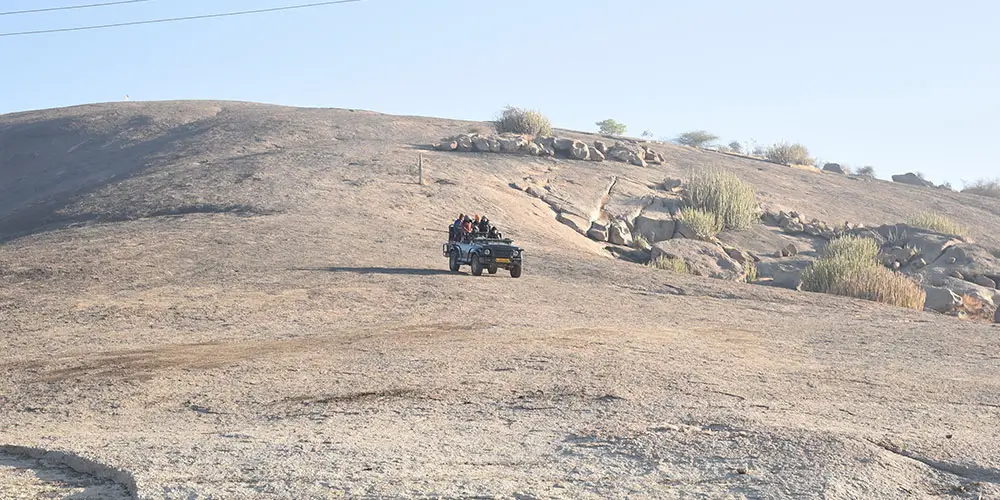
For the people of Pali and Jalore, the Jawai Dam is more than a water body — it is their lifeline. The reservoir irrigates farmland, provides drinking water, and supports fishing activities. Villagers also depend on it for livestock, especially the Rabari shepherds, who are iconic to this region.
This human-nature connection has created a unique cultural identity around Jawai. The Rabaris consider leopards living in the hills around Jawai Bandh as sacred protectors. Even though leopards sometimes attack cattle, locals rarely harm them, allowing peaceful coexistence that is rarely seen anywhere else.
Over the years, Jawai Bandh has evolved into a wildlife hotspot. The surrounding granite hills and forests are home to leopards, which have become the main attraction. Unlike national parks, these leopards live freely in rocky caves near villages and temples.
Apart from leopards, Jawai Bandh supports a wide range of wildlife:
This combination of aquatic, avian, and terrestrial wildlife makes Jawai Bandh a one-of-a-kind destination for safaris and photography.
One of the biggest legacies of Jawai Bandh is its role as a bird sanctuary. Every winter, thousands of migratory birds travel from as far as Siberia to rest and feed in its waters. Bird species include:
Birdwatchers find Jawai Bandh to be one of the most peaceful and rewarding spots in Rajasthan, far from crowded parks.
Today, Jawai is internationally known as the Leopard Capital of India. The hills surrounding the dam provide perfect shelter for leopards, while the water ensures abundant prey. Uniquely, leopards here live in harmony with humans, often seen resting near temples or walking across village roads without fear. This coexistence has made Jawai Bandh a case study for wildlife conservationists and a must-visit for safari lovers.
The legacy of Jawai Bandh is not only ecological but also cultural. Local communities celebrate festivals near the dam, temples in the hills draw devotees, and folk songs often reference the water body as a blessing for farmers.
Resorts around Jawai organize Rabari cultural nights, where guests learn about the tribe’s traditions, embroidery, and music. For travelers, this cultural immersion adds depth to the wildlife experience.
In recent years, Jawai Bandh has become a hub for eco-tourism. Resorts and safari camps have emerged, offering guests luxury tented stays and curated safari experiences. Jawai Nature Stay is among the leading properties, offering:
By choosing eco-friendly stays, travelers support both conservation and local livelihoods.
Call or WhatsApp on +91-8955000999 (Mr. Nand Singh Rathore) or Email: info@jawainaturestay.com to book your Jawai safari stay today.
Unlike tiger reserves, Jawai Bandh remains open throughout the year, giving travelers flexibility.
Unlike other famous destinations, Jawai Bandh offers a unique blend of history, culture, and wildlife. Built as a dam for irrigation, it has grown into a sanctuary where leopards, crocodiles, and humans coexist peacefully. Its migratory bird population makes it a natural paradise, while its cultural significance makes it deeply Rajasthani.
For anyone planning a trip to Rajasthan, Jawai Bandh is not just a stop — it is the highlight of the journey.
Construction started in 1946 and was completed in 1957.
It is famous for leopard safaris, crocodiles, and migratory birds.
Yes, safaris are conducted with professional guides in secure jeeps.
Leopards, crocodiles, wolves, jackals, and over 100 bird species.
Yes, it is family-friendly with safe resorts and cultural activities.
October–March for pleasant weather, April–June for leopard activity.
By road from Udaipur (150 km), Jodhpur (180 km), or via nearest railway station Jawai Bandh.
No, they coexist peacefully with Rabari tribes.
Yes, including Jawai Nature Stay, which offers safaris, tents, and cultural tours.
Because of its high leopard density and frequent sightings.
Planning to visit Jawai? Need help with your stay or safari?
Get free, expert assistance from our team — no pressure, just honest guidance.
Any query? Write us mail.
info@jawainaturestay.com
Call to Inquire (08:00 - 20:00 hrs)
+91 9257995999
Talk to Experts
Whatsapp