
Luxury travel in India does not have to mean a palace hotel in Jaipur, a beach resort in Goa or an expensive villa overlooking a familiar hill station. Some of the country's most rewarding high end stays are found in places where the destination itself remains relatively quiet.
These are locations where spending more can buy something genuinely valuable: privacy, access to remarkable landscapes, knowledgeable local guides, small heritage properties, private wildlife drives and enough space to spend several days without fighting crowds.
The strongest underrated luxury destinations in India are not necessarily unknown. Jawai is established among wildlife enthusiasts, Chambal is familiar to serious birdwatchers, and villages such as Narlai have long attracted heritage travellers. They remain underrated because they receive far less mainstream attention than India's headline tourism centres.
Luxury also varies enormously by destination.
A comfortable boutique stay in a small heritage town may cost ₹8,000–₹15,000 per room per night, while premium wilderness camps can run beyond ₹30,000–₹50,000. At India's most exclusive camps and villas, nightly rates can exceed ₹1 lakh.
The higher tariff only makes sense when it delivers something meaningful.
A private naturalist, exceptional location, good food, carefully designed accommodation and genuinely private activities can justify a premium. Decorative interiors alone cannot.
For travellers willing to trade famous landmarks for wildlife, mountains, rivers, villages and quieter coastlines, the following destinations show how varied luxury travel in India can be.
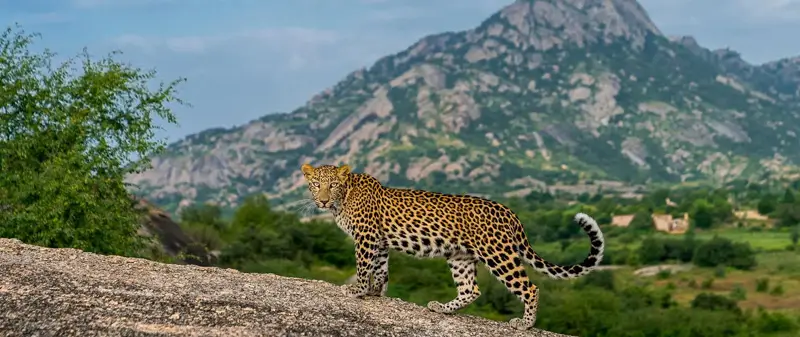
Jawai belongs near the top of any list of luxury wildlife destinations in India because its landscape is unlike the country's conventional tiger reserves.
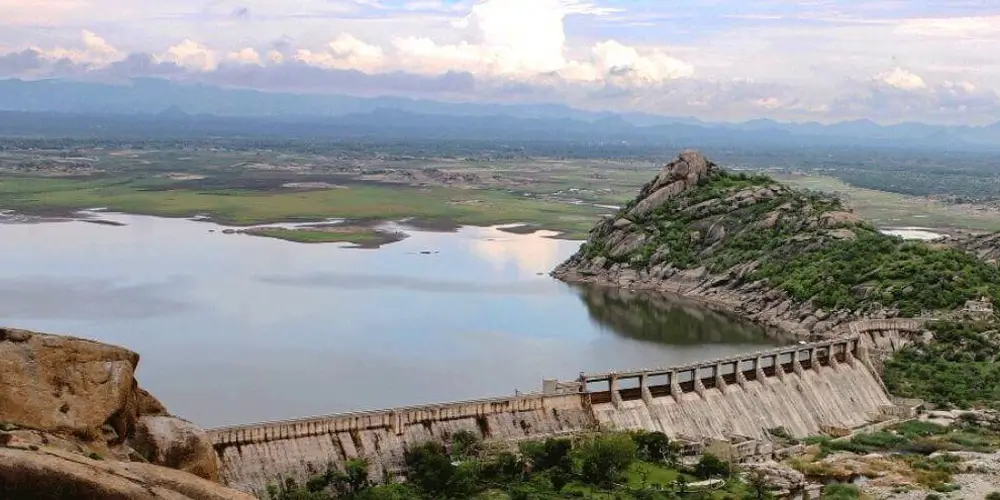
Massive granite hills rise abruptly above scrubland, fields and villages. Leopards use caves and rocky shelters across the region, while the Jawai reservoir adds wetland habitat, birdlife and crocodiles to the wider wildlife experience.
The setting is particularly unusual because wildlife and rural life exist remarkably close together.
A Jawai leopard safari does not begin with entering a dense forest through a major national park gate. Open safari vehicles move through rocky terrain while local drivers and trackers scan ridges, caves and known leopard movement areas.
This creates a completely different visual experience from Ranthambore, Kanha or Bandhavgarh.
A leopard may appear hundreds of metres away on a granite formation rather than walking beside the vehicle. Binoculars are therefore extremely useful, while photographers benefit from a telephoto lens.
At Jawai Nature Stay, current seasonal safari schedules list summer drives at approximately 5:00 AM to 8:00 AM and 5:00 PM to 8:00 PM. Winter drives are currently listed around 6:00 AM to 9:00 AM and 4:00 PM to 7:00 PM.
These hours can change according to daylight and operating conditions, so guests should confirm their reporting time before arrival.
The property currently lists a private Jawai leopard safari price of approximately ₹4,500 per Gypsy per safari. Two private drives would therefore cost roughly ₹9,000 per vehicle at the listed rate, before accommodation, meals and additional activities.
Accommodation is available across an unusually broad spectrum.
Travellers can stay in comfortable tented properties and nature camps without paying ultra luxury prices. At the other end, Jawai contains premium safari camps where accommodation can cost several tens of thousands of rupees per night and, in the highest categories, exceed ₹1 lakh.
The safari landscape remains the principal attraction regardless of room tariff.
Two nights are the practical minimum for most visitors. Three nights work particularly well for travellers who want multiple safaris, Jawai Dam, birdwatching and time to enjoy the accommodation.
Jawai also fits naturally into a Rajasthan road journey because it lies conveniently within the broader Udaipur–Ranakpur–Jodhpur circuit.
That combination of accessibility, unusual wildlife and accommodation choice makes Jawai one of India's strongest luxury alternatives to a traditional national park holiday.
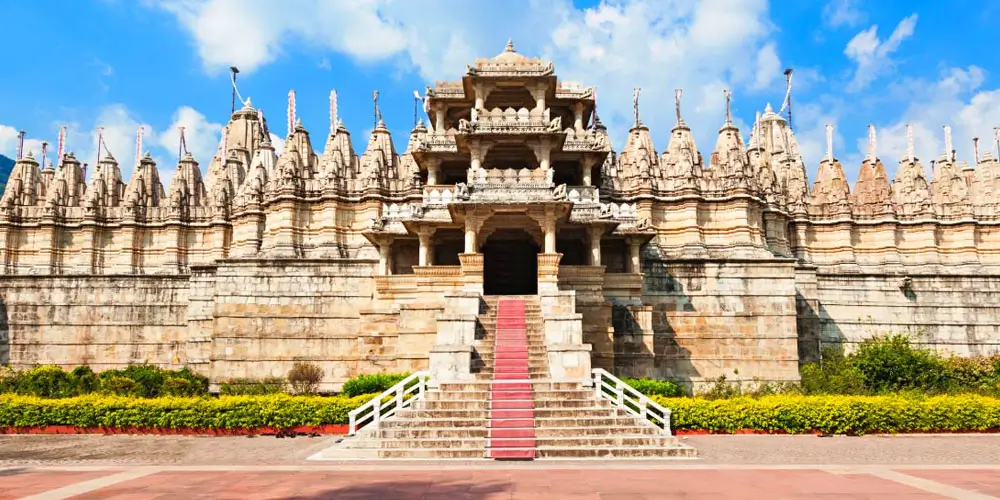
Narlai demonstrates that luxury heritage travel in India does not require staying inside a large palace in a major city.
The village lies in Rajasthan's Pali region and fits comfortably into journeys involving Udaipur, Ranakpur, Jawai and Jodhpur. Its rocky surroundings and historic character make it particularly attractive after several busy days in Rajasthan's larger cities.
The scale is the advantage.
Guests can stay in heritage accommodation, walk through a smaller settlement and spend time around the countryside without needing an aggressive sightseeing schedule.
A typical stay should be at least two nights if Narlai is being treated as a destination rather than a lunch stop.
Arrive in the afternoon, check in and spend the evening locally. The next day can include village time, regional sightseeing or a visit towards Ranakpur before returning to the same property.
Not packing luggage every morning is an underrated form of luxury.
Narlai also works particularly well for couples. There is enough to do without the pressure of filling every hour, and the region can provide a quieter contrast to Jaipur, Udaipur and Jodhpur.
Room tariffs vary considerably by property and season.
For a quality heritage stay in this part of Rajasthan, travellers can keep a broad working budget of approximately ₹8,000–₹25,000 per room per night, although premium suites and exclusive heritage experiences can cost more.
Meals may form a significant part of the experience.
Because smaller heritage properties can be some distance from a large restaurant market, half board or full board packages may be worth considering. Guests should ask whether breakfast and dinner are included before comparing two room prices.
Private transport is also useful.
A standard sedan or SUV with driver for a multi day Rajasthan journey may cost roughly ₹3,500–₹6,500 per day, depending on vehicle type, distance and operator. Tolls, parking and driver allowance should be clarified before booking.
Narlai becomes particularly strong when paired with Jawai.
A traveller can spend two quiet heritage nights around Narlai or Ranakpur, followed by two or three nights on a Jawai safari stay. The journey then continues to Jodhpur without a major backtrack.
The combination provides architecture, village life, countryside and wildlife within a relatively compact region.
The Chambal landscape offers one of India's most overlooked wildlife experiences.
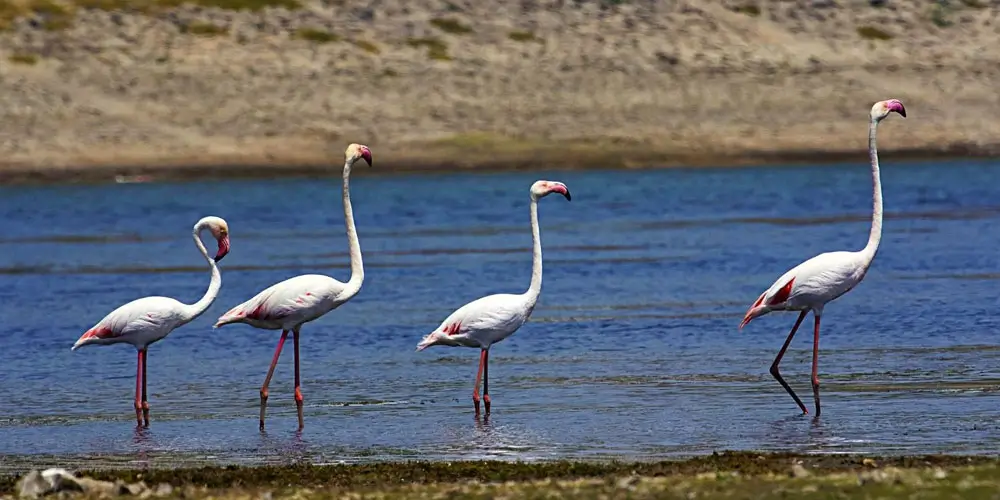
Instead of searching forest tracks for tigers, visitors take to the river in search of gharial, mugger crocodiles, river dolphins and birdlife.
This makes Chambal particularly attractive for travellers who have already visited major tiger reserves and want something different.
The open river environment is excellent for photography. Sandbanks, cliffs, water and large stretches of sky create very different compositions from a forest safari.
Birdwatchers have another reason to stay longer.
The river ecosystem supports resident and seasonal species, and winter can be particularly productive. Early mornings can be cold, so warm clothing is important even when afternoons become comfortable.
The accommodation experience is generally smaller in scale than India's headline luxury safari circuit.
That is an advantage for travellers who value personal service and knowledgeable naturalists more than large resort facilities.
A comfortable nature oriented lodge may require a working budget around ₹10,000–₹25,000 per room per night, depending on season and inclusions. Premium packages can cost more, particularly when meals, guides and private excursions are included.
Boat activity should be checked separately.
Ask whether the quoted wildlife excursion is private or shared, how long it lasts, whether guide fees are included and whether transportation between the lodge and boarding area is part of the package.
Two nights are workable. Three nights give birdwatchers and photographers more flexibility.
Chambal is also geographically useful because it can be incorporated into a north Indian itinerary involving Agra.
This means travellers can move from monumental heritage to a genuine river wilderness without taking another domestic flight across the country.
For luxury wildlife travel in India, that contrast can be more interesting than visiting two tiger reserves on the same holiday.
Indian mountain holidays often concentrate on a small group of famous hill stations. The result can be traffic, crowded viewpoints and hotel clusters that feel very different from the quiet mountain escape travellers imagined.
The Kumaon region offers another possibility.
Smaller villages and forested areas across Uttarakhand allow travellers to select intimate mountain properties where the view, walking routes, food and silence become the main attractions.
This style of luxury mountain stay in India works best for travellers comfortable with doing less.
A good day might include a long breakfast, a guided walk, several hours reading or working from a terrace, a local lunch and a sunset view.
There is no need to drive to five tourist points simply because they appear on a map.
Mountain accommodation can range from comfortable homestays to high end boutique retreats.
A working budget of around ₹8,000–₹20,000 per room per night can provide strong boutique options in many locations, while premium villas and exclusive properties can cost ₹25,000–₹50,000 or considerably more.
Transport needs careful budgeting because mountain road transfers can be slow.
A distance that looks short on a map may require several hours because of winding roads, weather, traffic and roadworks.
Travellers should avoid scheduling a flight immediately after an optimistic mountain road transfer. Keeping a buffer is particularly important during periods when rain, fog or landslides can affect travel.
The best luxury properties here usually justify their price through location and service rather than a long list of facilities.
A heated room in cold weather, excellent bedding, reliable hot water, locally informed staff and thoughtfully prepared food are more important than having a nightclub or shopping arcade nearby.
Kumaon suits couples, writers, photographers and families who enjoy walking and outdoor time.
It also pairs well with birdwatching.
Travellers interested in birds should ask the property whether local guides are available and what habitat can be accessed without long vehicle transfers.
Chettinad offers a completely different form of underrated luxury travel in India.
The region is known for grand mansions, distinctive architecture, elaborate interiors and a food culture that has become famous far beyond Tamil Nadu.
A heritage stay here is less about a resort complex and more about occupying a building with history and architectural character.
This is particularly attractive for travellers who have already visited India's famous palace hotels but want something stylistically different.
The best schedule is unhurried.
Rather than attempting to photograph dozens of mansions in a single day, visitors can spend time walking through heritage areas, visiting selected properties where access is permitted, eating regional food and returning to the hotel during the hottest hours.
Food should be treated as a central part of the stay.
Chettinad cuisine has a strong identity, and travellers should reserve enough meals for regional dishes rather than eating every dinner from a generic continental menu.
Dietary preferences should be communicated clearly, particularly for guests requiring vegetarian or restricted meals.
Boutique heritage accommodation can vary from relatively affordable properties to premium restored mansions. Travellers can keep roughly ₹7,000–₹20,000 per room per night as a broad comfort range, with higher-end suites costing more.
Two nights provide a reasonable introduction. Three nights allow a slower architectural and culinary stay.
Chettinad works well as part of a Tamil Nadu journey rather than an isolated fly-in holiday.
Private road transport is generally the most comfortable option for moving between smaller towns and heritage properties.
The destination is particularly appropriate for travellers whose definition of luxury includes architecture, regional food and privacy rather than wildlife or beach access.
India's west coast contains far more than Goa.
Gokarna is no longer unknown, but the wider coastal region can still offer quieter alternatives for travellers who want a beach oriented holiday without spending every evening in a major nightlife district.
The key is accommodation selection.
Some parts of the region are busy with pilgrims, backpackers and weekend visitors, while properties farther from central activity can provide a more private coastal stay.
For luxury beach travel in India, travellers should look beyond whether a hotel simply advertises a sea view.
Check actual beach access. Ask whether the beach is suitable for swimming during the intended travel period. Find out how far the room is from the shoreline and whether restaurants are available nearby.
Seasonal sea conditions matter.
Visitors should follow local safety warnings and never assume calm looking water is safe for swimming. Lifeguard instructions and posted restrictions should take priority.
Boutique coastal accommodation may begin around ₹8,000–₹15,000 per night, while premium villas and resorts can rise beyond ₹20,000–₹40,000 depending on location and season.
Holiday weekends can increase rates substantially.
Two nights can feel too short after a long road transfer. Three or four nights are more appropriate for a beach stay.
The advantage over a packed coastal itinerary is simple: there is nowhere important to rush to.
A morning swim where conditions permit, breakfast, reading, a late lunch and sunset can be enough.
That is precisely why quieter coastal destinations belong in a discussion of luxury.
The strongest destination depends on the reason for travelling.
For wildlife and dramatic geology, Jawai is one of the best choices.
For village scale Rajasthan heritage, Narlai works exceptionally well.
For river wildlife and serious birding, Chambal offers something few conventional safari destinations can match.
For mountain silence, smaller Kumaon retreats are more appropriate than another busy hill station.
For architecture and food, Chettinad provides a distinct heritage experience.
For the coast, quieter stretches around Karnataka can provide beach time without automatically defaulting to Goa.
The budget should follow the experience rather than the destination's reputation.
A couple spending ₹25,000 per night at a beautifully located countryside lodge where meals and activities are included may receive better value than spending the same amount at a famous city hotel and paying separately for every transfer and meal.
Ask what is included.
Full board wilderness properties can initially look expensive but become more competitive once breakfast, lunch, dinner and selected activities are counted.
Transport also needs to be included in the real cost.
Remote luxury works precisely because it is remote. Airport transfers can therefore be substantial.
For Jawai, a private road journey from Udaipur is generally the most practical approach for many travellers. The region can then be combined with Ranakpur and Jodhpur instead of requiring a return transfer.
This creates one of the strongest compact luxury routes in Rajasthan:
Udaipur → Ranakpur/Narlai → Jawai → Jodhpur
Spend fewer nights checking in and out. Keep two or three nights at the places that matter. Use private transport when it genuinely improves comfort. Pay for knowledgeable guides and responsible wildlife activity rather than unnecessary extras.
India's quieter luxury destinations are at their best when they are not forced to behave like the country's famous tourist centres.
Yes. Udaipur → Ranakpur/Narlai → Jawai → Jodhpur is one of the most practical routes for combining Rajasthan's heritage, countryside and leopard safari landscape without excessive backtracking.
Boutique accommodation commonly falls around ₹8,000–₹25,000 per room per night, while premium wilderness and heritage properties can exceed ₹30,000–₹50,000. Ultra-luxury camps and villas can cost more than ₹1 lakh per night.
Chambal is excellent for river birding, while Jawai combines birdlife around the reservoir with leopard country. Kumaon can also be rewarding for Himalayan and foothill birdwatching depending on the location.
Narlai is a strong choice for travellers seeking a smaller heritage setting. It can also be paired easily with Ranakpur and Jawai.
No. Leopards are free-ranging wild animals, and sightings cannot responsibly be guaranteed. Multiple safari drives provide more time in the landscape but still do not create certainty.
Current approximate schedules at Jawai Nature Stay are 5:00 AM–8:00 AM and 5:00 PM–8:00 PM in summer, and 6:00 AM–9:00 AM and 4:00 PM–7:00 PM in winter. Exact timings should be confirmed before arrival.
Two nights are a useful minimum. Three nights in Jawai provide a better schedule for multiple leopard drives, birdwatching, Jawai Dam and time at the accommodation.
Costs depend heavily on accommodation. Comfortable stays can be far less expensive than ultra-luxury camps. Safari charges are separate unless included; Jawai Nature Stay currently lists approximately ₹4,500 per Gypsy per private leopard safari.
Jawai in Rajasthan is particularly strong for leopard safaris, while Chambal is excellent for river wildlife, crocodilians, dolphins and birdwatching.
Strong choices include Jawai, Narlai, Chambal, Kumaon, Chettinad and quieter parts of coastal Karnataka. Each offers a different combination of wildlife, heritage, mountains, food or coastline.
Planning to visit Jawai? Need help with your stay or safari?
Get free, expert assistance from our team — no pressure, just honest guidance.
Any query? Write us mail.
info@jawainaturestay.com
Call to Inquire (08:00 - 20:00 hrs)
+91 9257995999
Talk to Experts
Whatsapp