
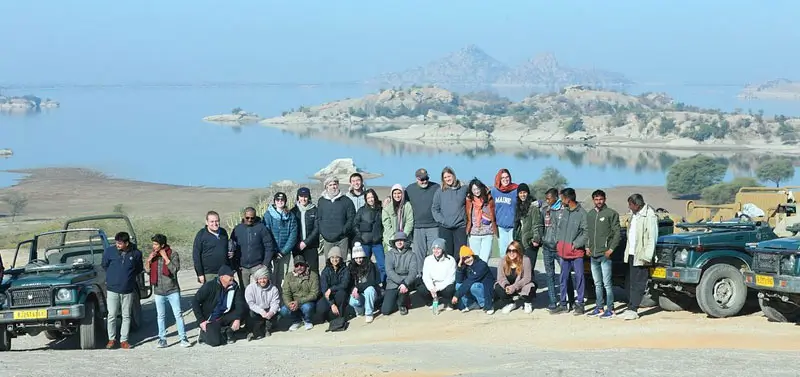
In the heart of Rajasthan lies a hidden paradise that redefines luxury travel — Jawai, the land of leopards, ancient granite hills, and serene lakes. It is not just a destination; it is an emotion built on the foundation of harmony between humans and wildlife. While most travelers look for luxury in five-star resorts and palatial stays, eco-luxury in Jawai brings a different meaning — one that connects comfort with conservation.
The concept of sustainable tourism in Jawai is built on simplicity, serenity, and social responsibility. Here, you don’t just stay amid nature; you become part of it. From eco-friendly tented accommodations to locally sourced cuisine, every detail is designed to minimize environmental impact while offering the ultimate luxury experience.
The idea of luxury has evolved. Today’s travelers no longer chase marble floors and chandeliers; they crave meaningful experiences that preserve the planet. Jawai has emerged as Rajasthan’s best eco-luxury destination, combining sophistication with sustainability.
Each resort and camp around the Jawai hills practices responsible tourism — using solar energy, minimizing plastic, conserving water, and empowering nearby villages. Yet, the comfort remains uncompromised. Plush beds under canvas roofs, handcrafted furniture made from reclaimed wood, open-air showers, and private decks facing the Jawai Bandh — these elements create a sense of understated elegance that’s more enriching than any urban luxury.
When you wake up to birdsong and a warm sunrise over the Aravallis, you understand why eco-luxury here isn’t about indulgence — it’s about balance.
Unlike commercial resorts, Jawai’s eco-lodges blend seamlessly into the landscape. Their design uses local stone and traditional architecture, ensuring the surroundings remain untouched. Most camps operate on solar power, with bio-waste recycling systems and natural water filtration setups.
What sets these camps apart is their conscious effort to leave behind no ecological scars. Safari vehicles follow designated trails, wildlife viewing distances are respected, and all interactions with nature are done responsibly. This approach makes every Jawai Leopard Safari not just thrilling but also ethical.
Guests are encouraged to participate in conservation activities — from tree planting to awareness walks with Rabari herders. This unique interaction connects travelers emotionally with the environment they are exploring.
The soul of Jawai’s eco-luxury experience lies in its people. The local Rabari community, known for their distinct red turbans and traditional lifestyle, play a vital role in the area’s hospitality network. Many luxury camps employ them as trackers, guides, chefs, and cultural ambassadors.
By engaging local talent, the tourism ecosystem uplifts families while ensuring that economic benefits remain within the region. Visitors often get the chance to visit Rabari villages, interact with women artisans, and understand their centuries-old connection with the leopards.
This human touch adds authenticity to luxury — proving that true comfort isn’t about isolation but about inclusion.
Conservation isn’t an afterthought in Jawai; it’s the foundation. Every element of luxury here supports wildlife protection. Safari operators and lodges collaborate with forest officials to monitor leopard movements, track bird species, and prevent poaching.
The relationship between people and predators is unique — leopards in Jawai move freely across human settlements, yet conflicts are rare. The Rabaris believe the leopards are sacred protectors, not threats. This cultural belief has created an ecosystem of mutual respect that modern conservationists now admire.
By staying at a responsible resort in Jawai, you directly contribute to preserving this rare balance. Each booking supports anti-poaching drives, education for local children, and sustainable livelihood projects.
When travelers hear “tents,” they imagine basic camping setups. But luxury tents in Jawai transform this idea completely. These are architectural marvels crafted to offer comfort without compromising on ecology.
Each tent is spacious, air-conditioned, and elegantly decorated with Rajasthani art. Wooden decks overlook wilderness, giving guests uninterrupted views of rocky hills where leopards roam. The use of natural fabrics, clay finishes, and solar lighting enhances the earthy ambiance.
Even the cuisine follows the same philosophy — fresh vegetables from organic farms, traditional Rajasthani recipes with modern plating, and zero-waste kitchen practices. This is farm-to-table dining at its purest form, making Jawai a trendsetter for eco-gourmet tourism in India.
Every Jawai Leopard Safari begins with respect. Drivers and guides are trained to maintain silence and patience while tracking wildlife. The thrill of spotting a leopard emerges naturally, not by chasing or intruding.
Morning safaris reveal the calm beauty of misty valleys, while evening drives bring the mesmerizing sight of leopards emerging from boulders. Beyond leopards, Jawai is home to more than 100 species of birds, crocodiles basking near the dam, and herds of blue bulls wandering gracefully.
Some camps also organize night safaris, allowing visitors to see the nocturnal side of Jawai. However, all tours follow strict sustainability guidelines — low beam headlights, controlled speed, and no off-trail movement.
Such mindful exploration ensures that eco-tourism in Jawai remains a model for other destinations in India.
The visual identity of eco-luxury stays in Jawai blends rustic charm with contemporary design. Instead of concrete structures, most lodges use local granite, mud plaster, and wooden frameworks. This not only reduces the carbon footprint but also keeps interiors naturally cool even in Rajasthan’s heat.
Outdoor decks replace air-conditioned lounges. Open firepits replace electric heaters. Every element reminds visitors that comfort doesn’t have to cost the planet.
Architects and hoteliers here focus on biophilic design principles, where nature becomes part of the structure. The result is a space that soothes the mind and rejuvenates the soul.
Eco-luxury travel in Jawai isn’t limited to safaris. Guests can indulge in slow, mindful experiences that celebrate the land’s natural and cultural wealth.
Morning yoga sessions overlooking the Aravalli hills, cycling through countryside roads, bird-watching along the Jawai Bandh, or joining a Rabari family for tea — these small moments make a journey memorable.
Some camps also offer village walks and sustainability workshops where guests learn about composting, solar cooking, and local crafts. The idea is not just to visit, but to evolve — to leave with awareness and appreciation.
While destinations like Ranthambore and Sariska draw mass tourism, Jawai stands as an example of how exclusivity and responsibility can coexist. Its controlled tourism model limits crowding, ensuring a peaceful experience for both travelers and animals.
This model has inspired similar eco-luxury initiatives across India, from Ladakh’s mountain lodges to Kerala’s backwater retreats. But Jawai remains one of the few places where luxury genuinely listens to nature.
The beauty of Jawai lies not in extravagance but in emotion. Sitting by the campfire under a starlit sky, listening to the faint call of a leopard, one realizes that true luxury isn’t material — it’s mindfulness.
Here, every sunrise feels sacred, every breeze carries a story, and every silence teaches something. Guests often describe Jawai as “therapy without walls,” a place that heals while it enchants.
This connection between soul and soil is what makes eco-luxury in Jawai a life-changing experience.
Experience sustainable, eco–friendly, and luxury travel in the heart of Jawai with our expert-guided journeys.
To make the most of your eco-luxury holiday, travelers should pack mindfully — reusable bottles, eco-friendly toiletries, and minimal plastic. Avoid loud music, feed no wildlife, and respect local customs.
Choosing properties certified for sustainability ensures your travel leaves a positive mark. Always prefer locally guided safaris; they support families and maintain authenticity.
Remember, responsible travel isn’t about compromise — it’s about contribution.
Its sustainable lodges, renewable energy use, and community-based conservation make Jawai India’s leading eco-luxury spot.
Yes, most luxury tents are air-conditioned while maintaining eco-friendly energy practices.
Through solar power, organic farming, zero plastic use, and employment of local communities.
Absolutely. Jawai Leopard Safari is the core experience, conducted under strict conservation norms.
While slightly premium, it offers unmatched comfort and purpose-driven experiences worth the value.
Mostly organic, farm-fresh, and locally inspired Rajasthani cuisine with global presentation.
Yes, they are ideal for families seeking peaceful stays with safety and learning experiences for children.
A 2–3 night stay is perfect to enjoy safaris, nature walks, and relaxation.
The best time to visit is from October to April when the weather is comfortable and wildlife sightings are high.
Your stay supports local employment, anti-poaching efforts, and sustainable wildlife protection programs.
Planning to visit Jawai? Need help with your stay or safari?
Get free, expert assistance from our team — no pressure, just honest guidance.
Any query? Write us mail.
info@jawainaturestay.com
Call to Inquire (08:00 - 20:00 hrs)
+91 9257995999
Talk to Experts
Whatsapp