
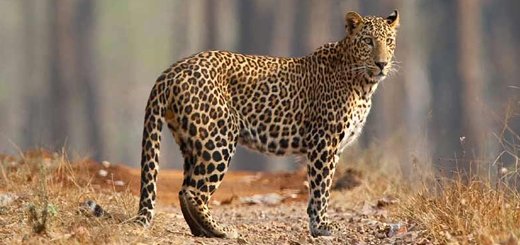
Leopards are among the most elusive and adaptable big cats in the world, and India is one of the few countries where they thrive across diverse landscapes. From dense forests and rocky hills to grasslands and human-shared territories, leopards have learned to survive alongside changing environments. For wildlife enthusiasts, photographers, and nature lovers, a leopard safari in India offers a rare opportunity to witness this magnificent predator in its natural habitat.
Unlike tiger safaris, which are often confined to fenced reserves, leopard safaris tend to be more subtle and experiential. Sightings are never guaranteed, which makes each encounter more meaningful. The best leopard safari destinations in India are those where ethical practices, habitat preservation, and respectful wildlife observation are prioritized.
India offers several exceptional regions where leopard sightings are frequent and the overall safari experience feels authentic rather than manufactured.
Jawai has emerged as one of the most remarkable leopard safari destinations in India. Located in Rajasthan, Jawai is defined by its dramatic granite hills, open landscapes, and rare coexistence between leopards and local communities. Unlike national parks, Jawai is not fenced. Leopards move freely across hills, villages, temples, and grazing lands, creating a wildlife experience that feels organic and deeply respectful.
A leopard safari in Jawai is exploratory rather than predictable. Safaris take place in open terrain guided by expert local trackers who read the land rather than follow fixed routes. Leopards are often seen resting on rocky outcrops or moving gracefully across hillsides, especially during early mornings and late evenings.
What makes Jawai exceptional is not just the frequency of sightings, but the setting itself. The combination of open wilderness, golden light, and silence creates a refined safari experience ideal for photographers and slow travelers. Jawai is widely regarded as one of the best places for leopard safari in India due to its ethical approach and natural coexistence model.
Let us help you choose the best leopard safari destination and plan a memorable wildlife experience with expert guidance.
Bera, located close to Jawai, is another renowned leopard habitat in Rajasthan. Often referred to as the land of leopards, Bera shares similar terrain with Jawai but has its own identity shaped by pastoral communities and rocky landscapes.
A Bera leopard safari offers a raw and intimate wildlife experience. Leopards here are frequently sighted near hills and water bodies, often during daylight hours. The relationship between local Rabari communities and leopards is central to the region’s identity, creating a powerful example of wildlife coexistence.
Bera appeals to travelers seeking authentic rural wildlife experiences without the structure of formal parks. Safaris here feel personal, guided by deep local knowledge rather than tourism infrastructure.
Kabini, part of the Nagarhole forest region in Karnataka, is one of South India’s most famous wildlife destinations. While it is widely known for tiger sightings, Kabini also offers excellent opportunities for leopard encounters, especially along forest edges and riverbanks.
A Kabini leopard safari takes place in dense forest landscapes, offering a contrasting experience to Rajasthan’s open terrain. Leopards here are often spotted perched on trees or moving stealthily through undergrowth.
Kabini’s appeal lies in its lush environment and biodiversity. The presence of elephants, birds, and other wildlife enhances the overall safari experience. For travelers interested in combining leopard sightings with rich forest ecosystems, Kabini is among the top leopard safari destinations in India.
Satpura National Park offers one of the most immersive wildlife experiences in central India. Known for its rugged terrain, deep valleys, and dense forests, Satpura provides an ideal habitat for leopards.
A leopard safari in Satpura is often quieter and less crowded compared to more famous parks. Leopards here are elusive, making sightings special and rewarding. The landscape supports walking safaris and canoeing, adding depth to the wildlife experience.
Satpura attracts seasoned wildlife enthusiasts who value solitude, exploration, and ethical tourism. Leopard sightings here are complemented by a strong sense of wilderness immersion.
Located near Jaipur, Jhalana Leopard Reserve has gained popularity for its accessibility and consistent leopard sightings. Despite being close to an urban center, Jhalana supports a healthy leopard population.
A Jhalana leopard safari offers a semi-arid forest experience with relatively high chances of sightings. Leopards are often seen during daylight hours, making it appealing for first-time safari travelers.
While Jhalana is more structured than Jawai or Bera, it remains one of the best leopard safari parks in India for those with limited time or visiting Rajasthan’s capital region.
Leopard safaris are defined by patience and observation. Unlike tigers, leopards are masters of camouflage and adaptability. The thrill lies not in guaranteed sightings, but in understanding behavior, reading landscapes, and appreciating silence.
The best leopard safari destinations in India focus on ethical wildlife practices, minimal disturbance, and knowledgeable guiding. These elements ensure that wildlife remains protected while travelers gain meaningful experiences.
Leopard safaris are possible year-round, but cooler months often provide comfortable conditions and increased activity. Morning and evening safaris generally offer the best opportunities for sightings.
Each region offers a slightly different seasonal experience, influenced by terrain, climate, and wildlife behavior.
India supports one of the largest leopard populations globally. Its varied geography allows leopards to thrive in forests, hills, grasslands, and even human-shared landscapes.
This diversity makes India uniquely suited for leopard safaris that offer different visual, cultural, and ecological experiences.
Let us help you choose the best leopard safari destination and plan a memorable wildlife experience with expert guidance.
Choosing the best leopard safari depends on travel style. Those seeking open landscapes and luxury nature stays often prefer Jawai or Bera. Forest lovers may choose Kabini or Satpura. Travelers with limited time may find Jhalana ideal.
Each destination offers a distinct interpretation of leopard tourism.
Responsible leopard safaris support conservation efforts and local communities. Ethical tourism ensures that wildlife remains undisturbed and habitats preserved.
Destinations like Jawai and Satpura demonstrate how tourism can coexist with conservation successfully.
Jawai Leopard Safari is widely regarded as one of the best due to its open landscape and ethical coexistence model.
No wildlife sightings are guaranteed, which makes each encounter special.
Jawai offers a different experience focused on open wilderness and coexistence rather than fenced parks.
Yes, especially in regions like Jawai, Bera, and Jhalana.
Yes, when conducted by experienced guides following ethical practices.
Jawai and Kabini are highly favored for wildlife photography.
Yes, most destinations are suitable for families with proper guidance.
Two to three days allow sufficient opportunities for sightings.
Generally no, leopard safaris tend to be quieter and less crowded.
Because leopards are elusive, intelligent, and adaptable, making sightings deeply rewarding.

Planning to visit Jawai? Need help with your stay or safari?
Get free, expert assistance from our team — no pressure, just honest guidance.
Any query? Write us mail.
info@jawainaturestay.com
Call to Inquire (08:00 - 20:00 hrs)
+91 9257995999
Talk to Experts
Whatsapp