
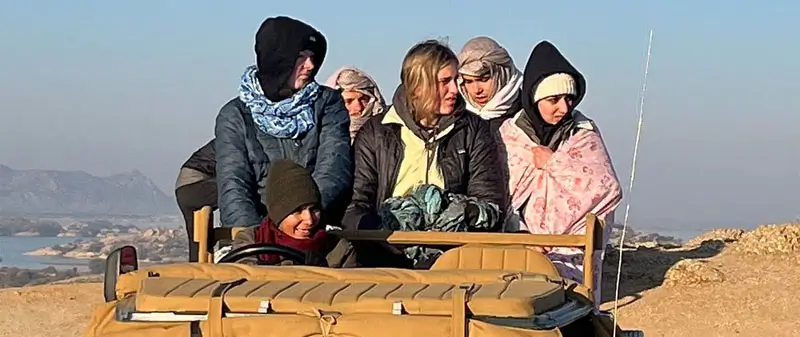
Kumbhalgarh Wildlife Sanctuary offers a different type of photography experience compared to Jawai and Ranthambore. The region is characterized by forested hills and diverse vegetation, providing a more enclosed environment for wildlife photography.
While sightings may not be as frequent, the sanctuary offers opportunities to capture a variety of species in a natural setting. The landscape itself becomes an important element, allowing photographers to experiment with compositions that include both wildlife and environment.
The quieter atmosphere of Kumbhalgarh makes it suitable for photographers who prefer less crowded locations.
Desert National Park provides a completely different photography experience, focusing on desert landscapes and species adapted to this environment. The open terrain and vast horizons create opportunities for wide-angle shots that capture the scale of the landscape.Introduction to Wildlife Photography in Rajasthan
Rajasthan is widely recognized for its forts, palaces, and desert landscapes, but for photographers, it offers something far more diverse and visually compelling. The state provides a unique combination of wildlife, natural terrain, and cultural elements that create endless opportunities for photography. For foreign travelers, Rajasthan becomes an ideal destination not only for sightseeing but also for capturing moments that are difficult to find anywhere else in the world.
Wildlife photography in Rajasthan is not limited to a single environment. The region offers forests, rocky hills, desert landscapes, and rural settings, each providing a different backdrop for capturing wildlife. This diversity allows photographers to experiment with various styles, from close-up wildlife shots to wide landscape compositions that include animals in their natural habitat.
The increasing interest in wildlife photography in Rajasthan is driven by the availability of unique subjects such as leopards, tigers, birds, and other species that thrive in these environments. For photographers, the challenge lies not only in spotting wildlife but also in understanding the landscape and light conditions that define each location.
Get expert-guided safaris, best shooting locations, and perfectly timed experiences for stunning wildlife shots. Ideal for both beginners and professional photographers.
Rajasthan stands out as a photography destination because of its varied terrain and accessibility. Unlike dense forests where visibility can be limited, many areas in Rajasthan offer open landscapes that make it easier to spot and photograph wildlife. This is particularly beneficial for photographers who want to capture animals in their natural surroundings without obstruction.
The state also provides a balance between structured safari environments and open wildlife regions. This allows photographers to choose between controlled settings, where sightings are more predictable, and natural landscapes, where the experience feels more authentic.
Another important factor is the quality of light. Rajasthan’s clear skies and open terrain create ideal lighting conditions for photography, especially during early morning and late afternoon. These times are particularly important for capturing wildlife, as animals are more active and the light enhances the overall composition.
For foreign travelers, Rajasthan offers a combination of accessibility, variety, and unique subjects, making it one of the best regions for wildlife photography tours in India.
Jawai has emerged as one of the most exclusive and rewarding locations for wildlife photography in Rajasthan. Unlike traditional national parks, Jawai offers an open environment where leopards roam freely among granite hills. This creates a setting that is both dramatic and visually unique.
For photographers, Jawai provides opportunities to capture leopards in their natural habitat without the restrictions of dense forests or crowded safari vehicles. The granite landscape acts as a natural stage, allowing for compositions that include both wildlife and striking geological features.
The absence of large crowds is another advantage. Photographers can take their time to observe, frame, and capture shots without feeling rushed. This level of freedom is rare in popular wildlife destinations and adds significant value to the experience.
The combination of wildlife, landscape, and lighting makes Jawai one of the most sought-after locations for leopard photography in India. For those looking to capture unique images, Jawai offers an experience that is difficult to match.
Ranthambore is one of the most well-known wildlife destinations in India and is particularly popular among photographers interested in capturing tigers. The park offers a structured safari experience, with designated routes and zones that increase the chances of sightings.
The presence of historical ruins within the park adds a unique element to wildlife photography. Photographers can capture tigers against the backdrop of ancient structures, creating images that combine wildlife and history.
However, the popularity of Ranthambore also means that it can be crowded, especially during peak seasons. This can limit flexibility and affect the overall photography experience.
Photographers can capture unique species and explore compositions that are not possible in forested areas. The simplicity of the desert environment allows for creative experimentation with light and shadow.
This destination adds variety to a photography-focused itinerary, making Rajasthan a diverse region for wildlife photography.
Rajasthan is also known for its birdlife, offering opportunities for bird photography in various regions. Wetlands, lakes, and open landscapes attract a wide range of species, making it an ideal destination for bird enthusiasts.
For photographers, bird photography requires patience and understanding of behavior. Rajasthan provides the right conditions for capturing birds in different environments, adding another dimension to wildlife photography.
Timing plays a crucial role in wildlife photography. Early mornings and late afternoons are considered the best times for capturing wildlife, as animals are more active and lighting conditions are ideal.
Seasonal changes also affect wildlife activity and landscape appearance. Planning the trip during favorable conditions enhances the chances of successful photography.
Get a complete itinerary, expert guidance, and hassle-free booking in one place.
Among all wildlife destinations in Rajasthan, Jawai stands out for its combination of accessibility, exclusivity, and visual appeal. The ability to capture leopards in an open and natural environment makes it a preferred choice for photographers.
The landscape, lighting, and absence of crowds create ideal conditions for photography. This makes Jawai one of the best destinations for those looking to capture unique wildlife images.
Planning ahead is essential for a successful photography trip. Carrying the right equipment, understanding animal behavior, and choosing the right locations are important factors.
Traveling with a private car for wildlife photography Rajasthan provides flexibility and allows photographers to move between locations comfortably.
Being prepared and patient ensures a rewarding experience.
Due to its diversity and accessibility.
No, it is less crowded.
Telephoto lenses and cameras with good zoom.
It depends on the location.
Yes, it offers diverse environments.
Yes, various regions offer bird photography.
Its open landscape and leopard population.
Yes, it offers strong opportunities for tiger sightings.
Jawai is considered one of the best locations.
Early morning and late afternoon.
Planning to visit Jawai? Need help with your stay or safari?
Get free, expert assistance from our team — no pressure, just honest guidance.
Any query? Write us mail.
info@jawainaturestay.com
Call to Inquire (08:00 - 20:00 hrs)
+91 9257995999
Talk to Experts
Whatsapp